

I love photography, and meeting other photographers is one of its greatest gifts. I’m excited to share my friend and photographer Laura Snyder’s unique vision of the world, in a series I’m titling “Work that Inspires.”

Laura and I have the same love of abandoned places, dirt roads, and old schools. She’s a teacher, and I’m a former teacher, and we both have a soft spot for this stuff (and complicated feelings about the education system).

Her work is unique and has that special secret sauce that makes it stand out. I see her stuff, and I know it’s hers without seeing the name. She inspires me to get outside my comfort zone, and I hope her photos and words do the same for you.

I asked her where she got her inspiration, and to give us more context to here work:
At the beginning of my photography journey, I was so focused on “likes” and satisfying the beast that is (was?) Instagram. I wanted my images to be as technically perfect as possible and capture things as they really were. I also wanted to get the most love on the internet that was possible by using all those hashtags and following the right accounts.
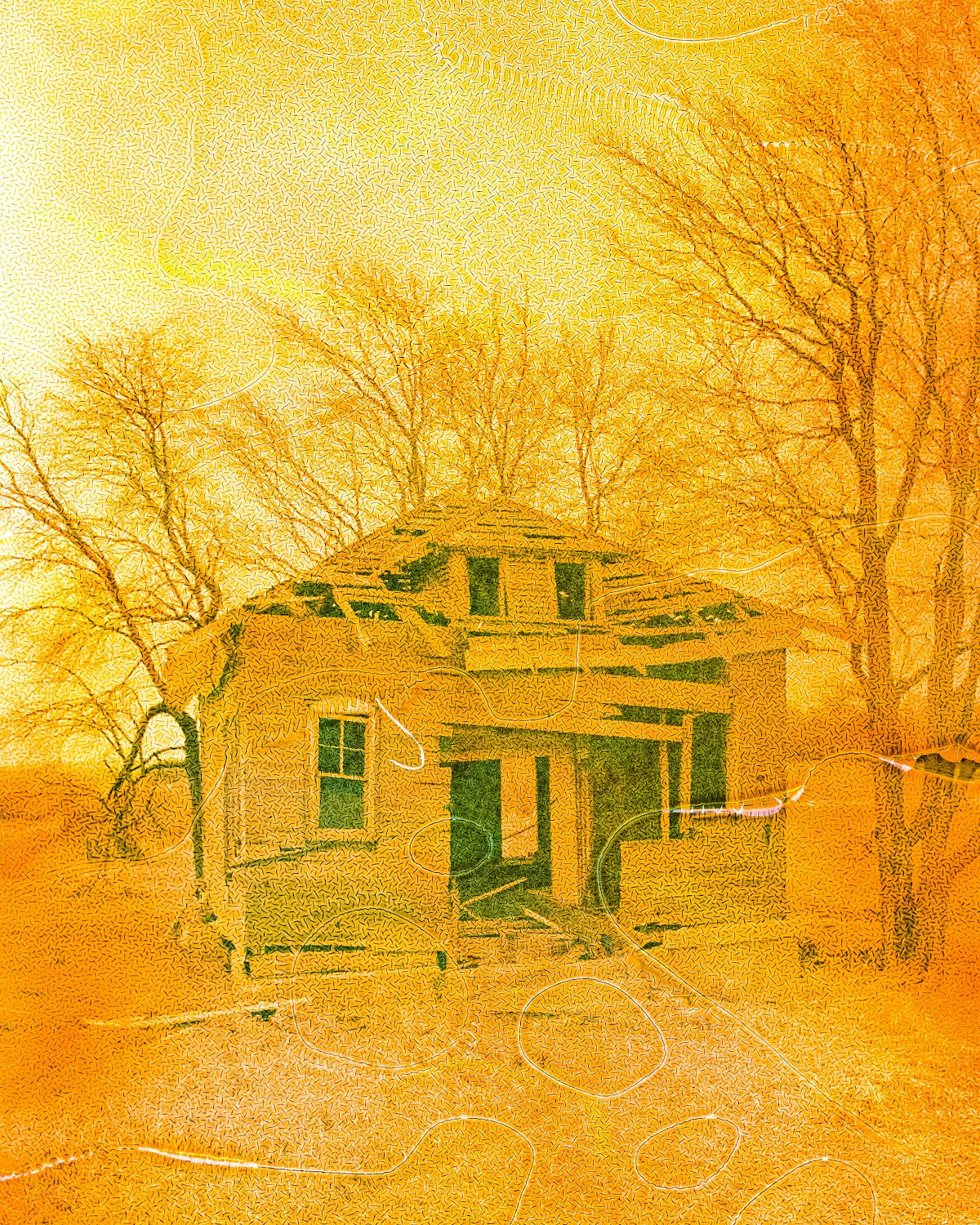
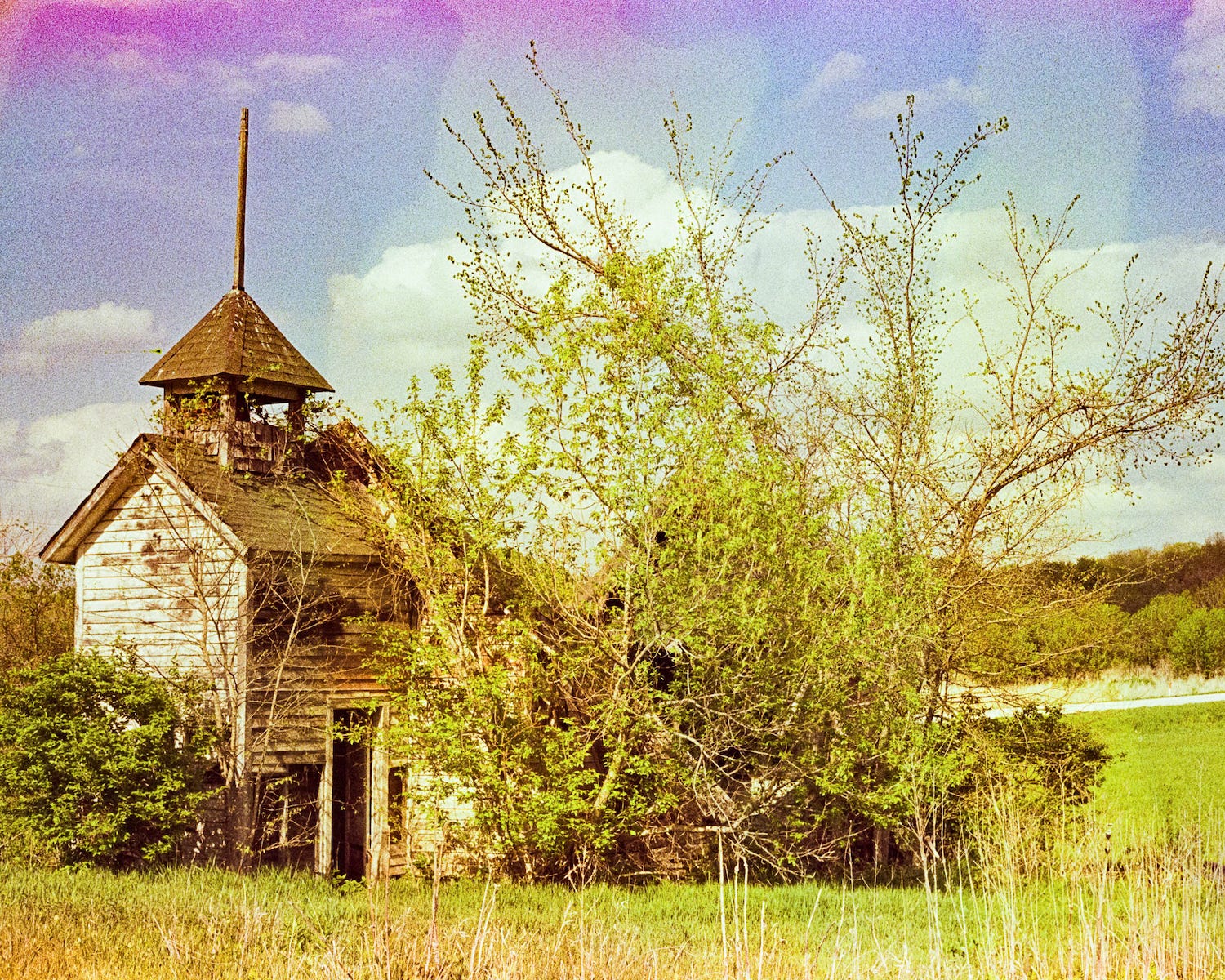
I have always enjoyed photographing abandoned buildings, especially in rural areas (think barns, one room schoolhouses, farm houses). There is power in seeing an abandoned structure fighting against nature, time and gravity and documenting it as it is, at that moment, capturing it for posterity. As I grew as a photographer and began exploring 35mm film photography and eventually altering my exposed film with a process called “film soup” before having it developed, my philosophy changed.
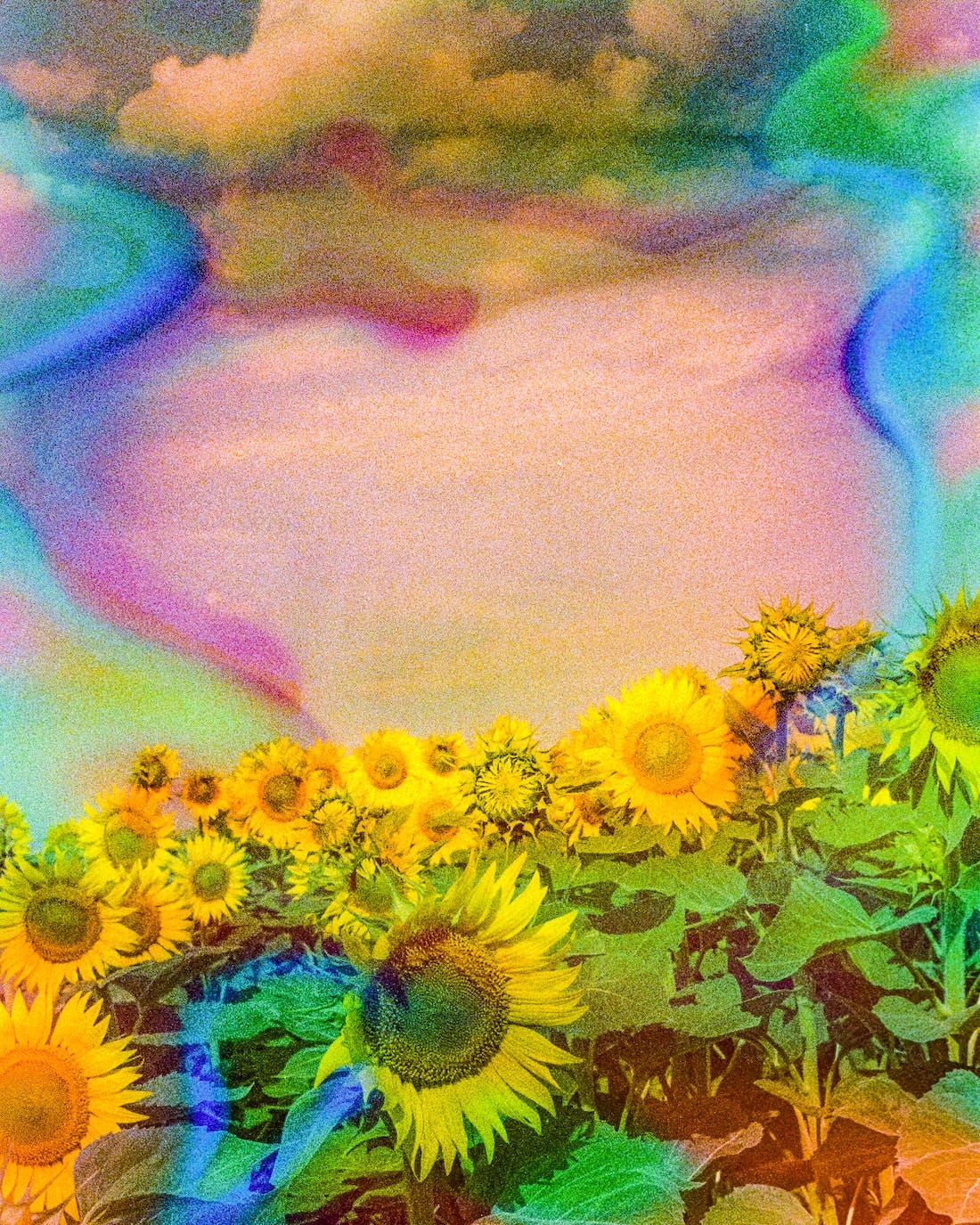
I don’t know if it was the tactile nature of working with 35mm film, the grain, the delay in taking the photos then seeing the results days, weeks or sometimes in my case months later but I fell in love with the imperfections of that process. The subjects I enjoy photographing the most fit so well with the aesthetic of 35mm film. If I leave the film unaltered, I send it to the amazing Des Moines Film Lab (@dsmfilmlab) for developing and scanning.
Several years ago, an instagram friend (shoutout to my now IRL friend Chelsie @prairiethroughthelens) shared about a process called film soup and it intrigued me. Film soup is where you take all of the exposures on the roll, rewind it and remove it from the camera as you normally would and then drop it into a mason jar. This is where the alchemy and uncertainty begins. Assorted household items (spices, beverages, cleaning supplies, bits of nature, etc) are added into the jar with the film, then the jar is filled with boiling water. The chemicals and the boiling water alter the emulsion of the film in a variety of ways. After the film sits for 24 hours, it’s thoroughly rinsed and dried. I send my souped film to my friend Amy (@itsamyliz) at Film Lab 135 (@filmlab135) for developing and scanning.
95% of the time, the results are trippy and psychedelic and absolutely MAGICAL. Sometimes the roll comes back with the images so obscured you can’t tell what the subject is. This process helps me lean hard into the “happy accidents” philosophy of Bob Ross, one of my inspirations as an elementary art teacher. Even when the frames are non-representational, they are still aesthetically pleasing to my abstract loving brain.
I find that the altered emulsions help me tell the important history of these forgotten structures in a new and intriguing way. It also helps me process the sometimes grueling realities of teaching in the public school setting in 2026. The film can get scratched, warped or discolored while it is souping and makes my dilapidated subjects appear even more broken down, which is a metaphor for how I sometimes feel after a day or season of teaching. The chemical reactions of film soup can also reinvigorate a sometimes bleak and lifeless subject with a variety of interesting colors and textures.
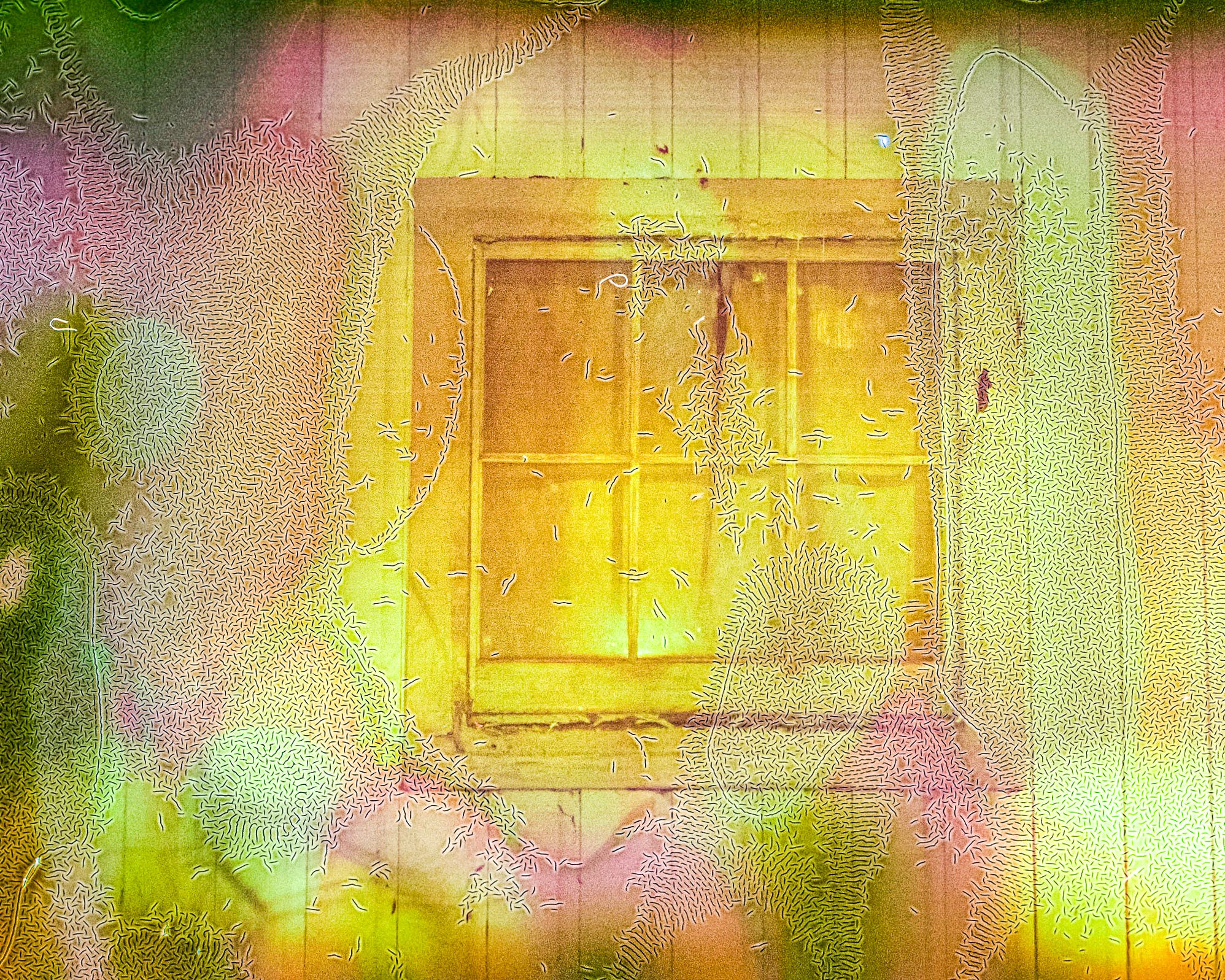
After working with 35mm film and film soup since 2019, my creative focus has changed. The art that I create is no longer perfect. It is not meant to satisfy the ever changing whims of an algorithm or check boxes for the jury of an art exhibit. The art that I create is made for me, to help me move forward as a human and an artist in a world that is ever changing.
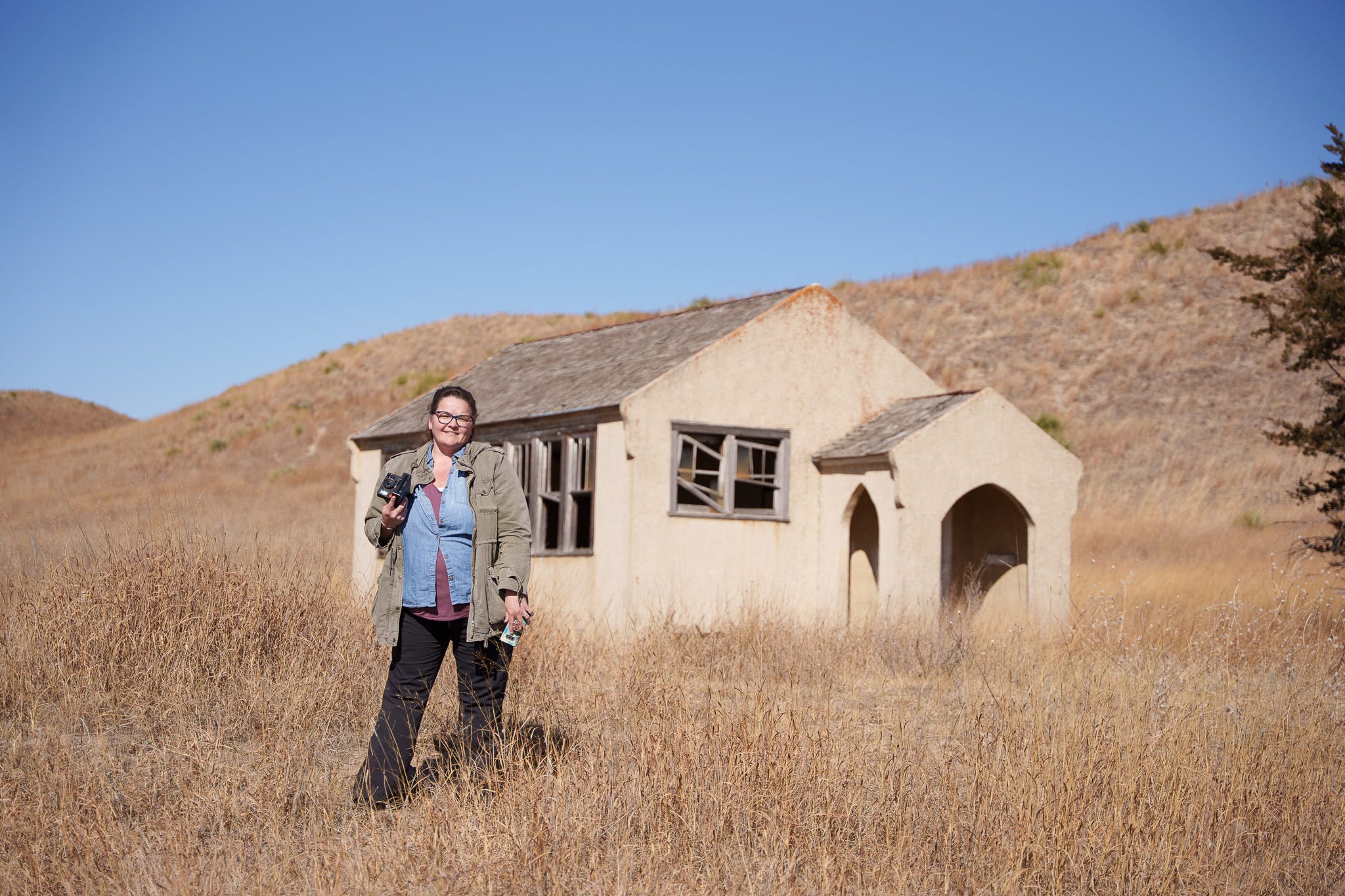
All photos: Copyright Laura Snyder:
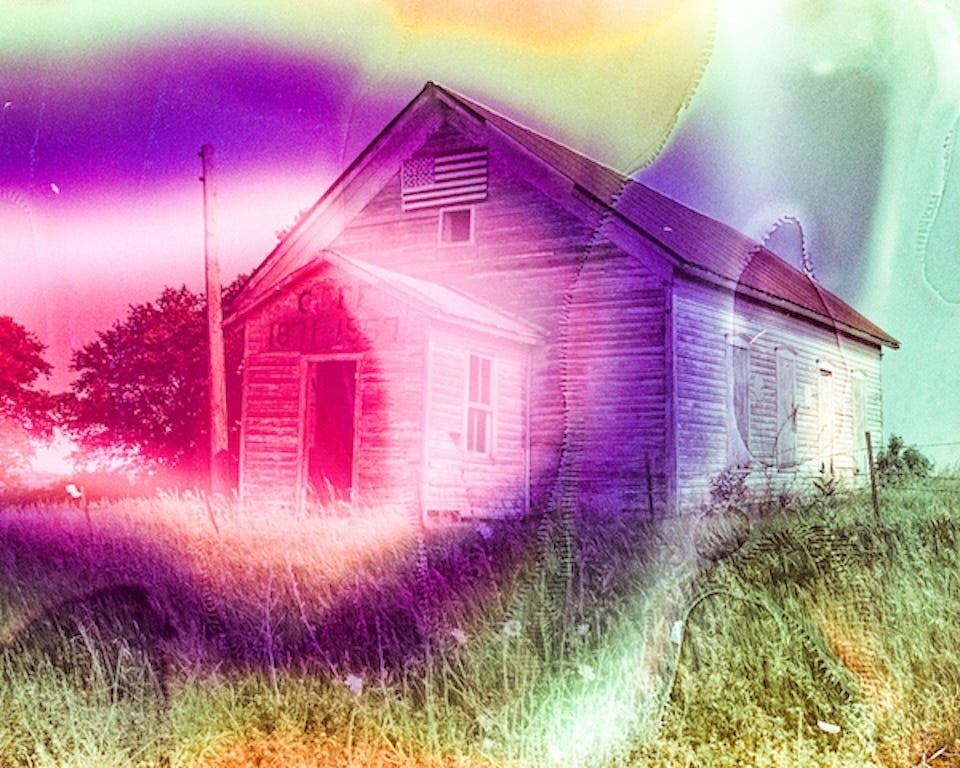
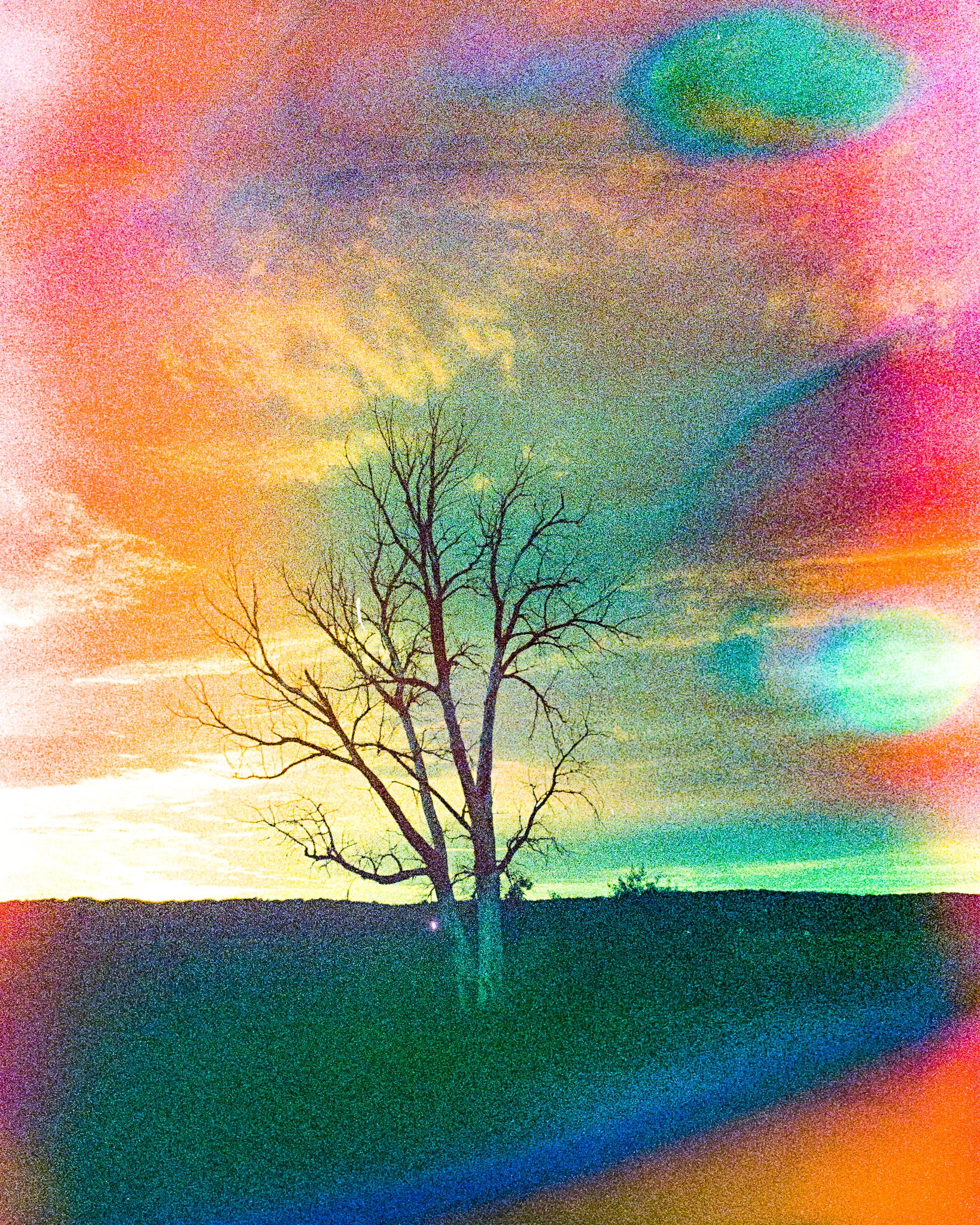
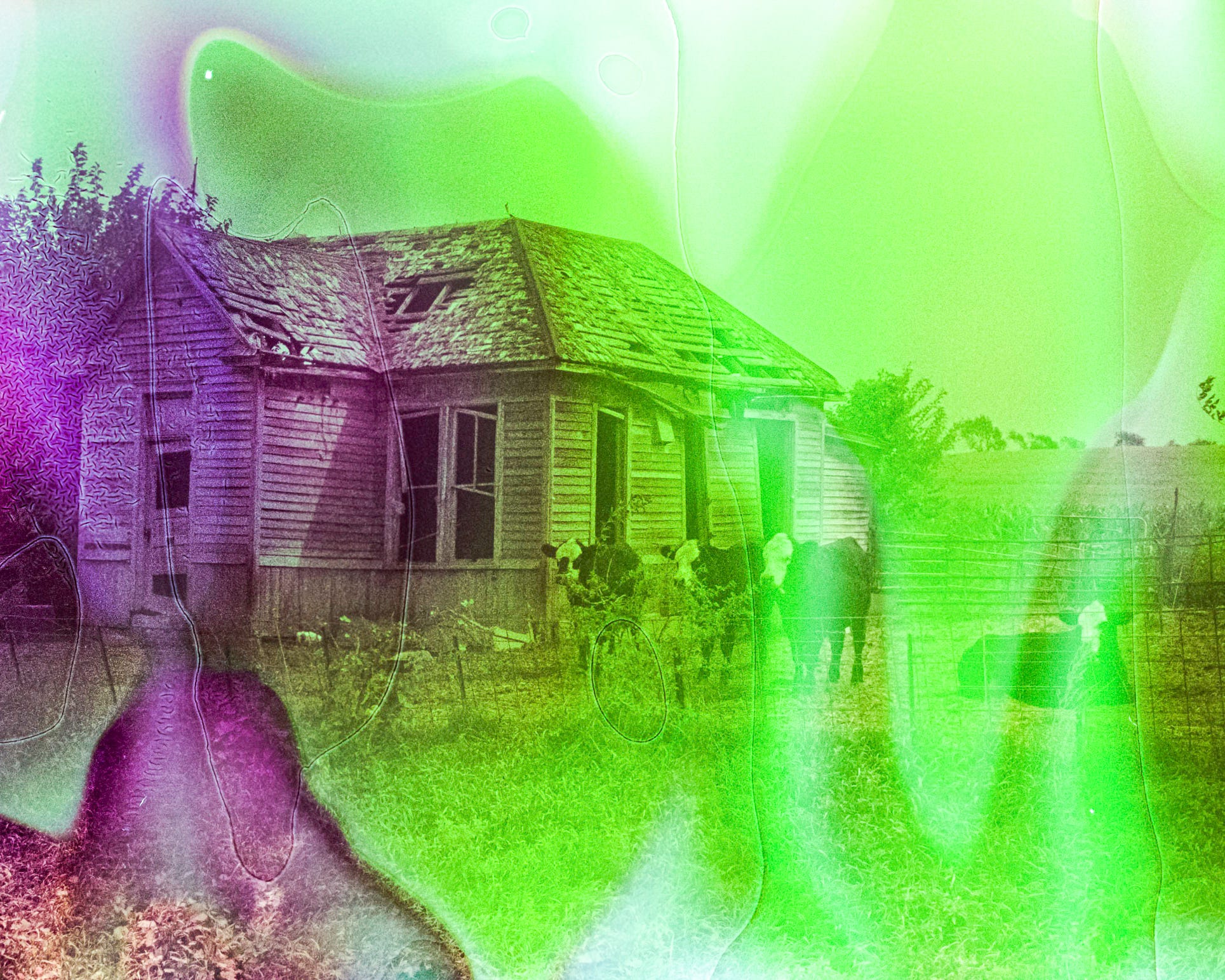
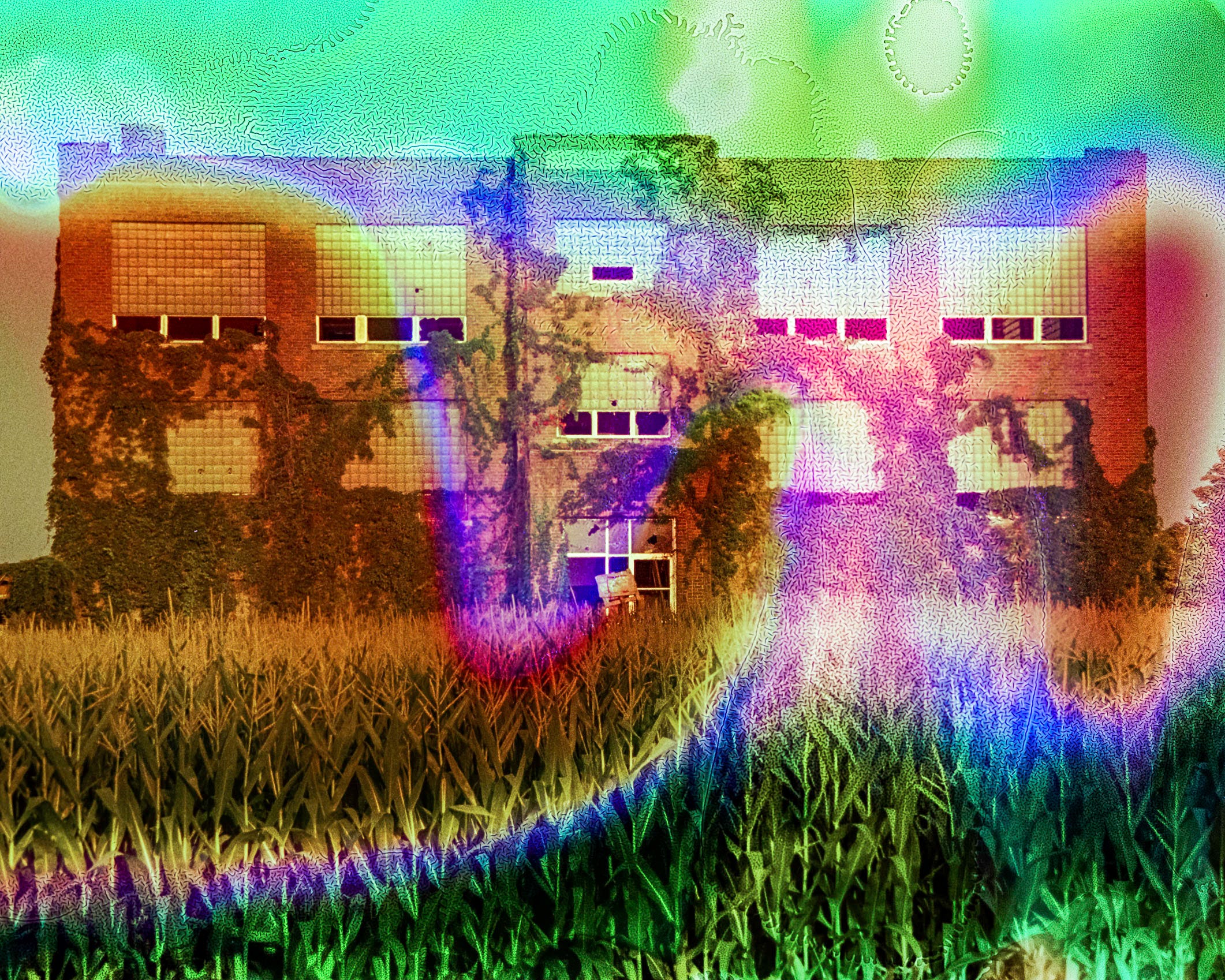
Find lots more AMAZING photography on her instagram: https://www.instagram.com/lolasblest/
Let me know what you think of this series in the comments. I have more lined up!
P.S. - If you’re getting this, you’re probably already subscribed to my newsletter, but please share this with any photography enthusiasts who are looking for inspiration, tips and a positive photo community (no judgement here)!
And as always, send me any questions you have or topics you’d like to see me cover in upcoming newsletters or YouTube videos (you can subscribe here).
More than anything, even if you don’t purchase a print, subscribing to my YouTube channel, watching some videos, and leaving me a comment about what you think is a great, free, way to support me!
Comments? Leave them below or email me: jerredz@gmail.com
email: jerredz@gmail.com
These are interesting, it turns a photo into a painting almost.
Super stoked to be part of this series! Thanks for all of the support and inspiration over the years. It is a blessing to call you my friend! 💛