

Lately I’ve been taking more cell phone photos than ever before, mostly because of the iPhone app called mood.camera. I think you should give it a shot. (The app is super cheap and is not a subscription!)
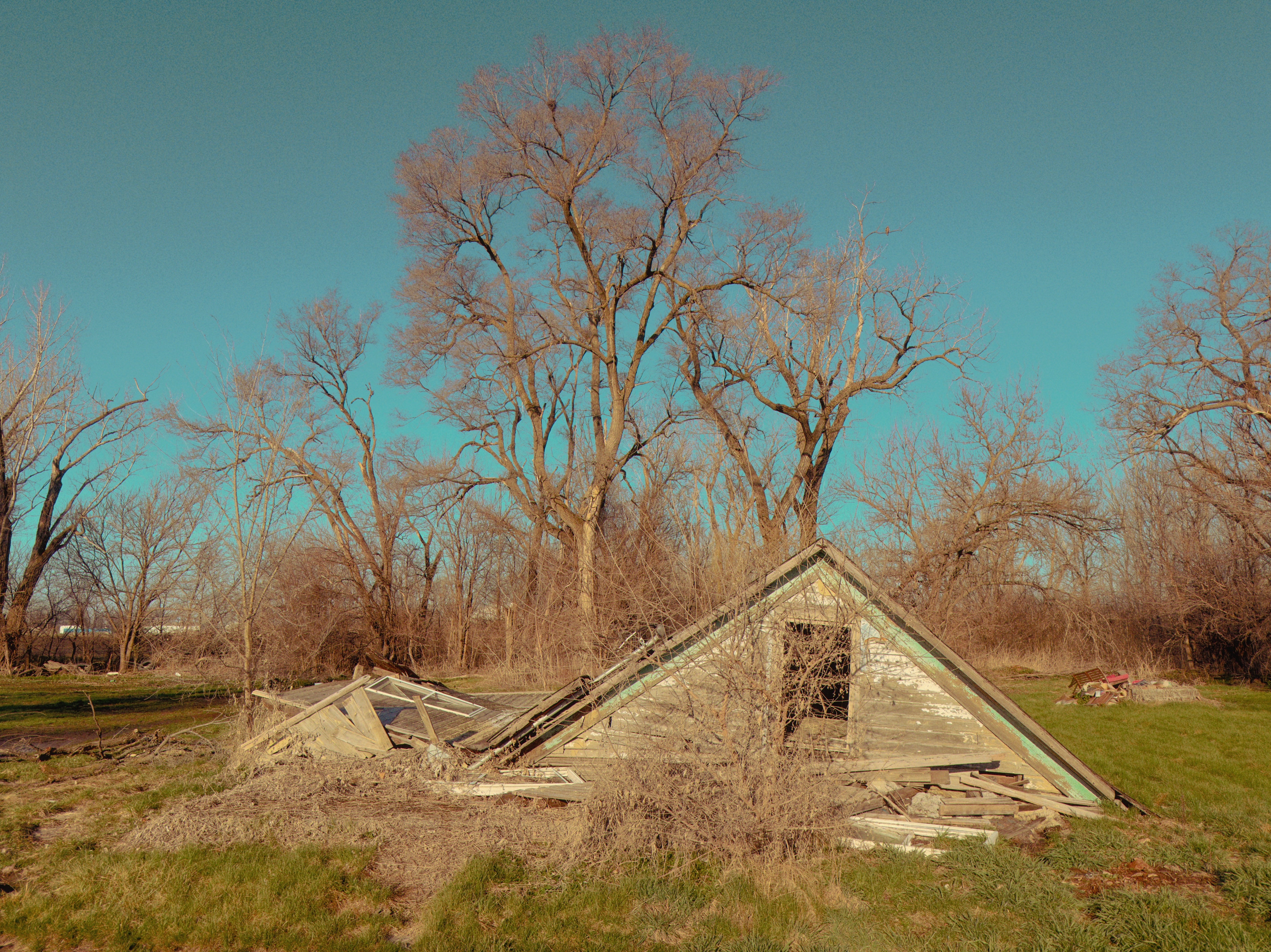
I initially bought the $1,500 Ricoh GRIV so I’d always have an “awesome” camera with me, but now I have no use for the GRIV.

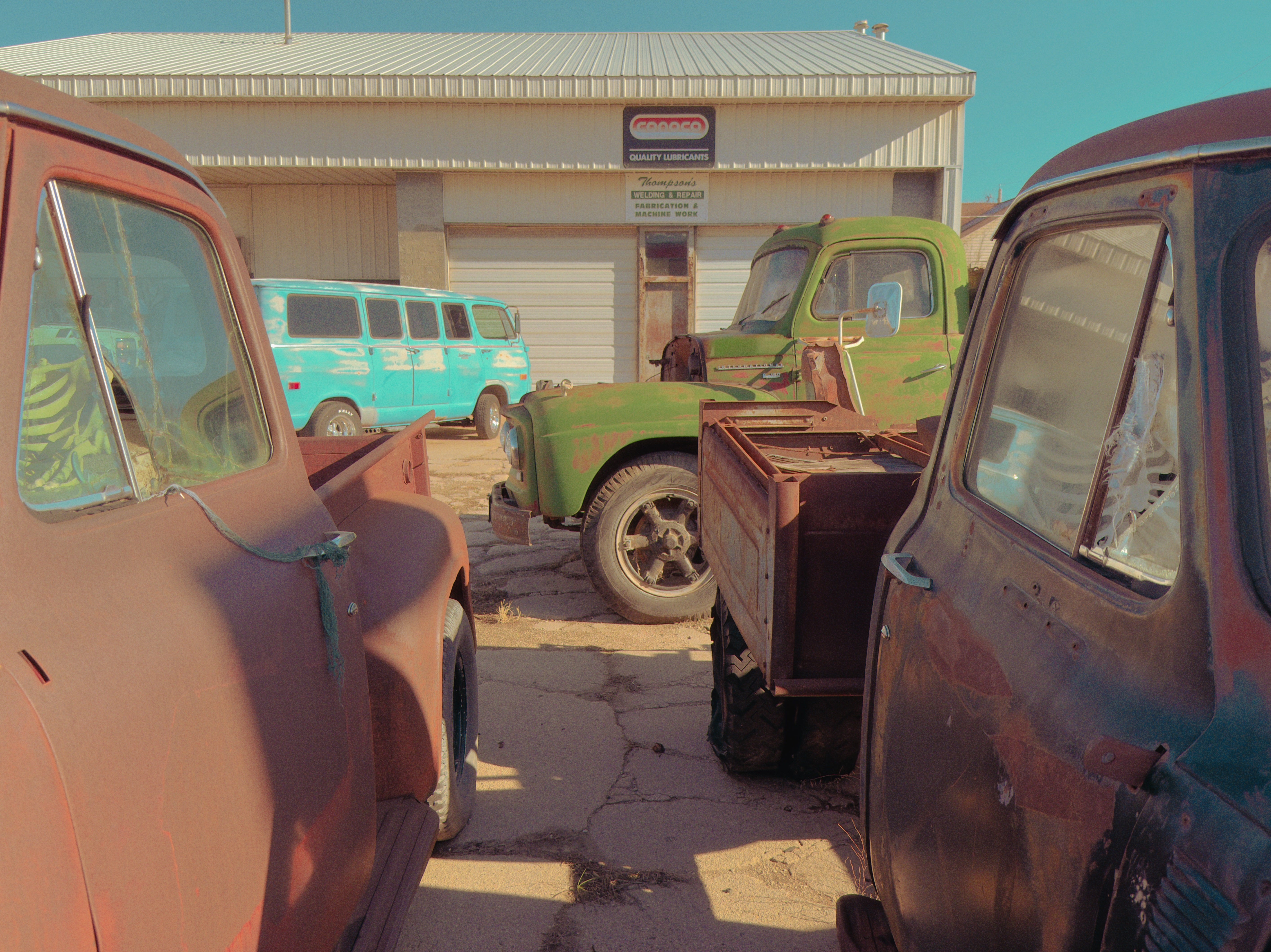
The mood.camera app is so much more fun and produces printable, soulful images!


It won’t replace my professional cameras… but for random walks through the world? The mood.camera app is perfect and probably more powerful thank you think.
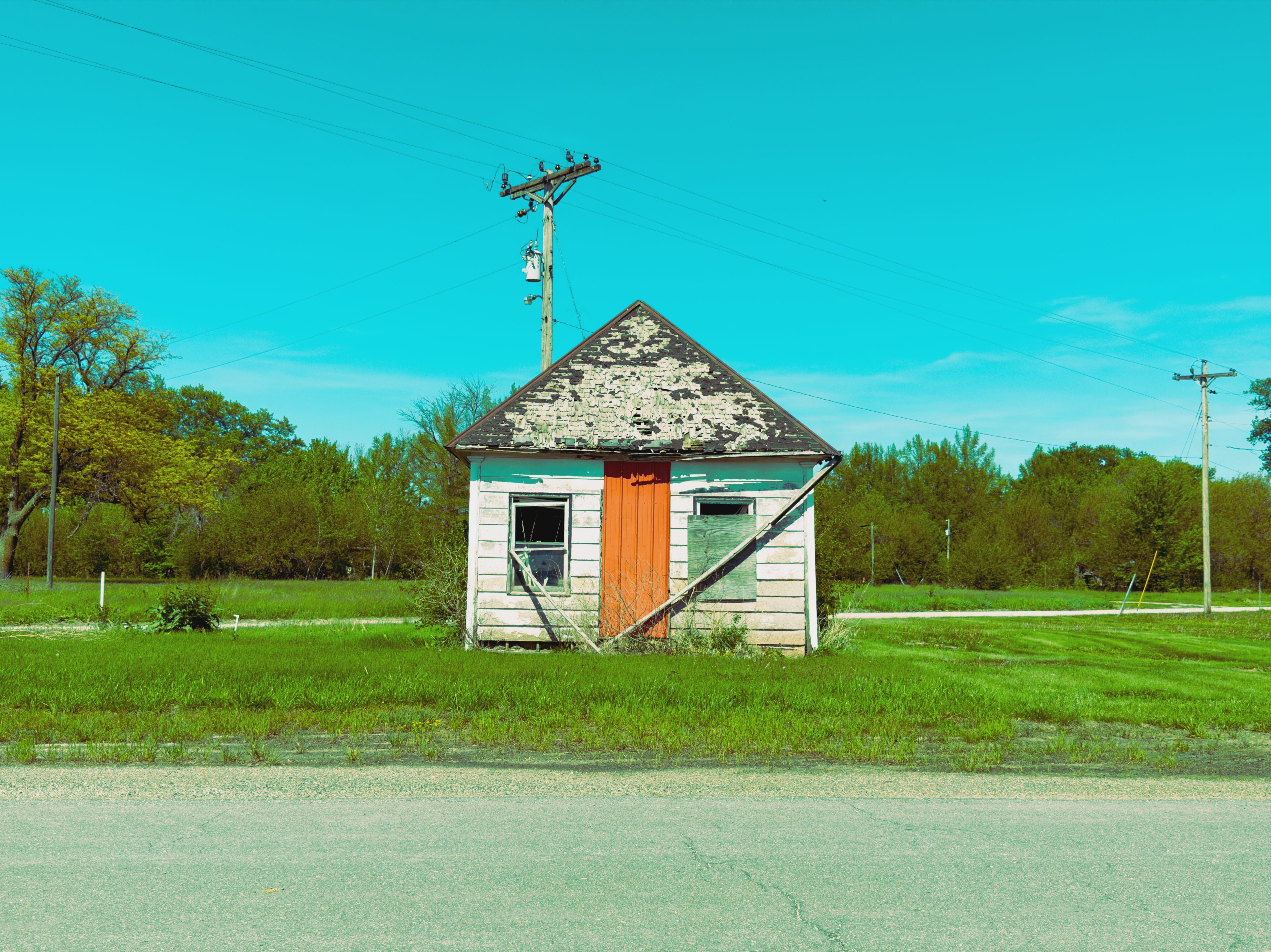
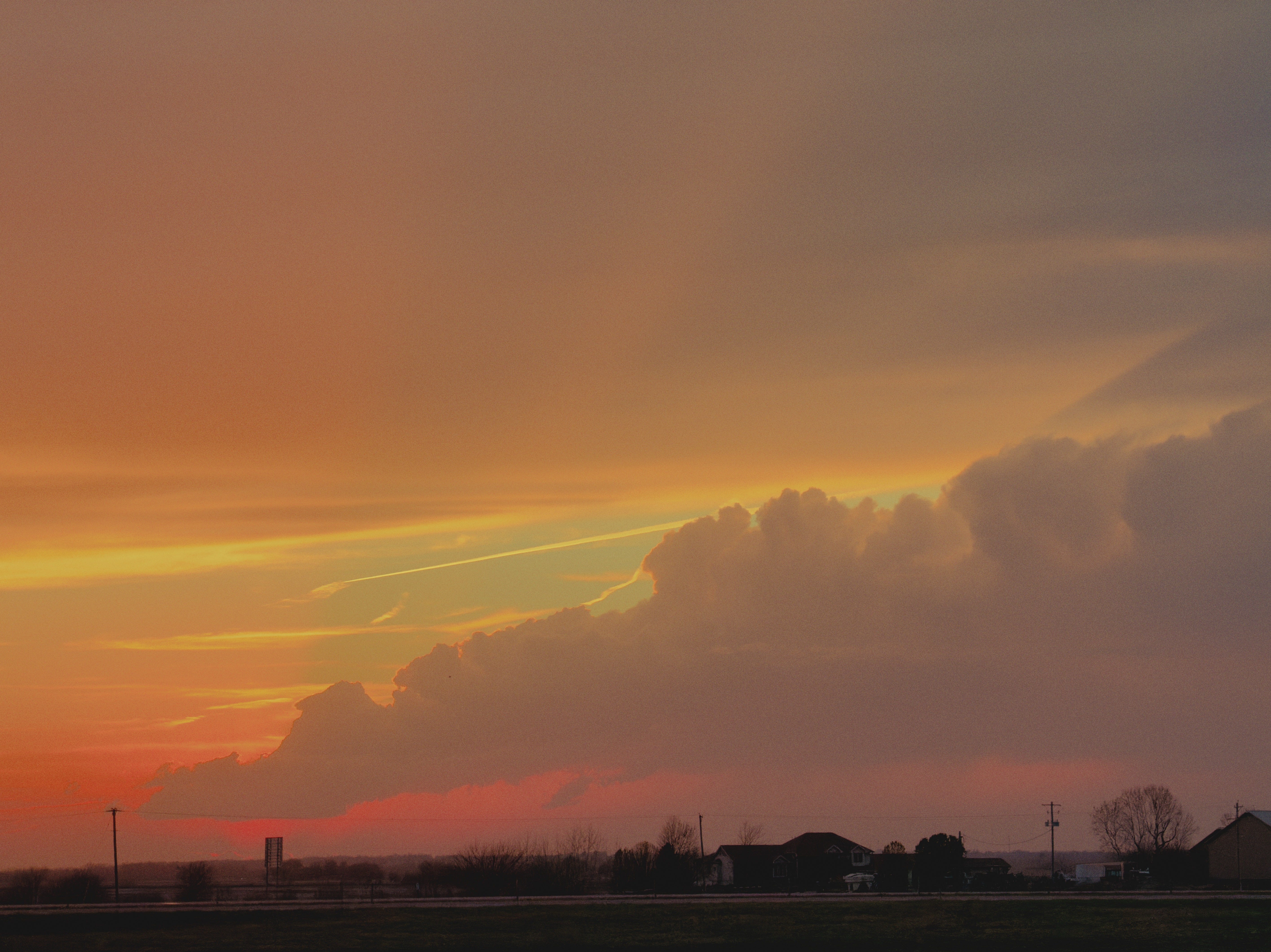
I’ve written about it before, but this time I had a chance to ask Alex, the 1-man team behind the app, a few questions:
(All photos below: copyright: Alex Fawks)
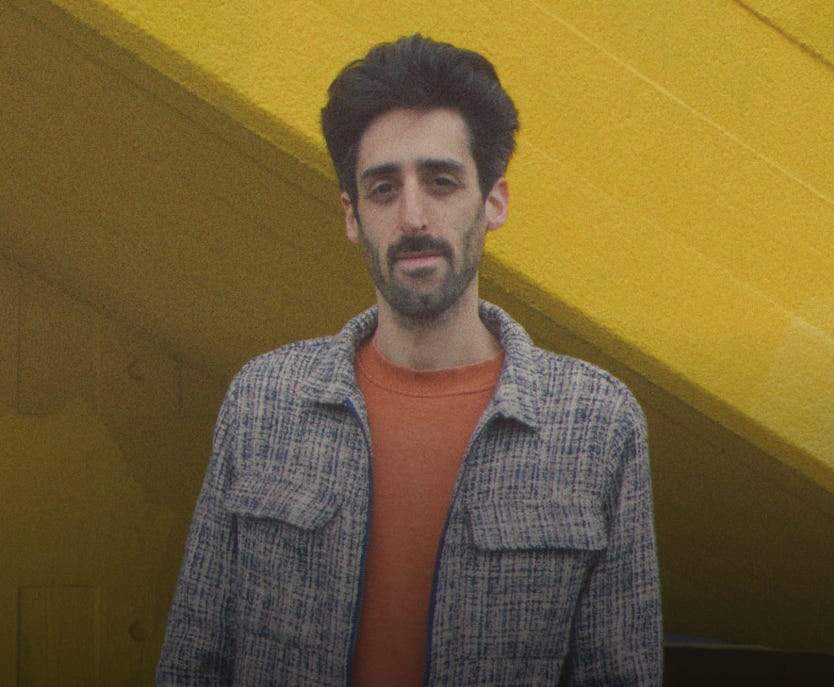
What was your inspiration to design this app?
Put simply, it was out of frustration with the direction that mobile photography had taken in the past 5+ years. The sensors had gotten better, the devices more powerful, but the processing had become too fixated on increasing sharpness and dynamic range. I knew the sensors were capable thanks to experimenting with some other camera apps, but nothing quite hit the spot. I had a history with image editing & programming, so I thought why not give it a go myself.
What is your history with photography?
I’ve always been drawn to still photography. There’s something about freezing a moment in time that’s always fascinated me. You can choose how to tell the story, to frame the scene, capture the emotion. It gave me a reason to look more closely at my surroundings, to notice details others might pass by, and to see things from different angles. I also loved editing.
Being able to take an ordinary photo and enhance the feeling behind it felt a bit like a super power.
I dabbled in film, but mostly used DSLRs until phone cameras became good enough. I was always drawn to the form factor, being able to spend a day out in London, take hundreds of photos without carrying extra gear, then edit them on the train home, all on the same device.
Over time, though, I became fatigued by the editing process and found myself taking fewer and fewer photos. That’s when I started looking for apps that had that cinematic look baked in, something more like a point-and-shoot experience.

I said, and I think you said, that this app creates photos with soul. What does that mean to you in context to photographs?
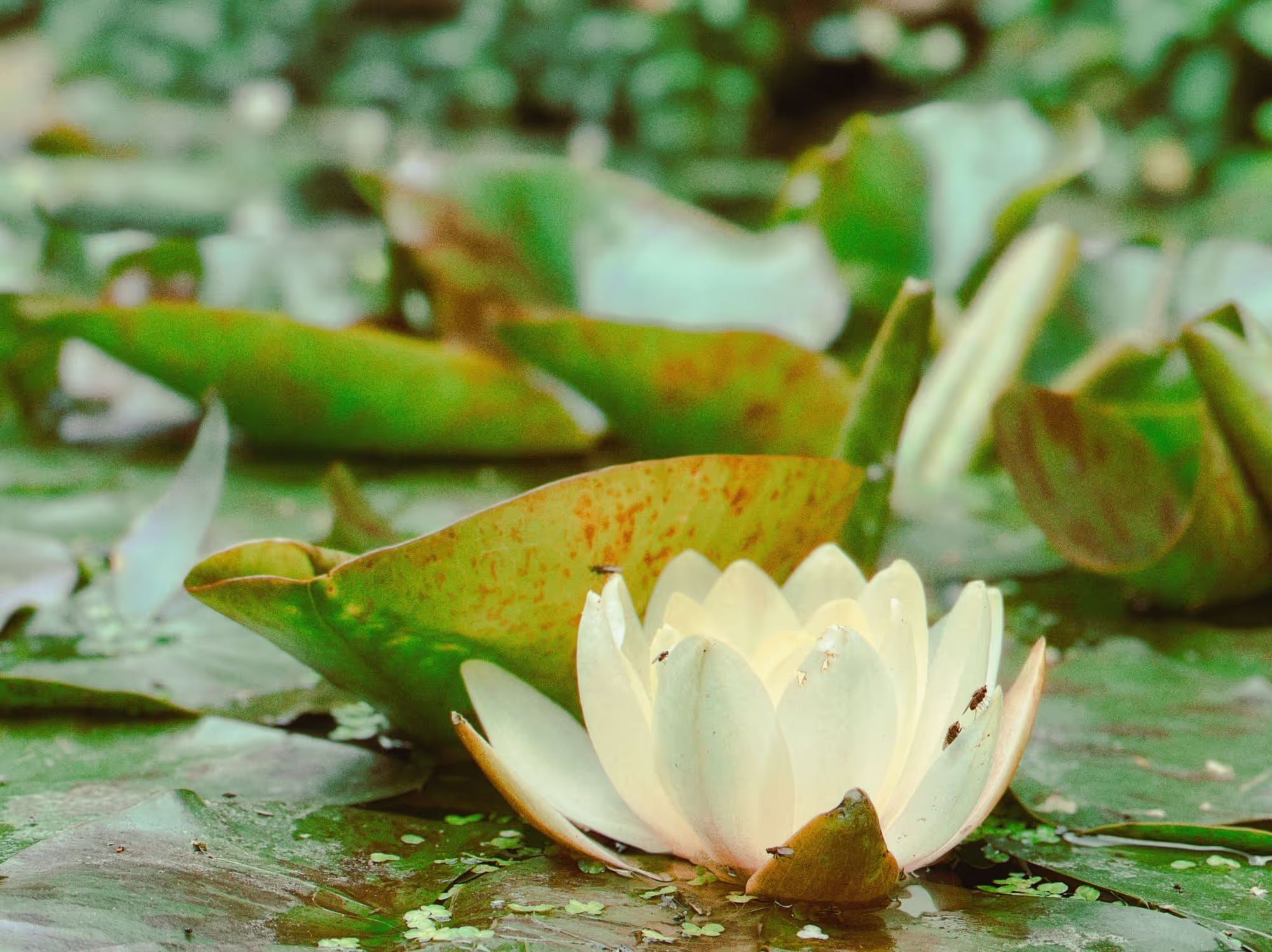
There are lots of interpretations of what a photograph “is”, but for me, it should be able to transport you back to that scene or place. You’re trying to capture the emotion you felt when you took it, not just what your eye saw, it’s the whole experience. Phone camera’s are good at capturing lots of detail, wide dynamic range, high sharpness, strong saturation, but not much feeling.
I think the “soul” comes from the imperfections and obscurity in a photo. If your mind has to do a bit of work to piece together a scene, you become more immersed in it. Maybe that’s because it’s closer to how memory actually works, slightly fuzzy and imperfect.
The grain here feels different and much more refined. It seems very film-like. Probably better than any app or even editing program, especially given they are SOOC jpegs. How did you do it?
Thank you! There are quite a few layers to how the grain is processed, which I can’t really go into. But, to start with I spent a lot of time studying how grain behaves in real film photos and the physical properties behind it. The effect went through many iterations, gradually layering in the visual elements that I thought helped it look authentic. At the same time, I had to be mindful of performance so it would run well on-device.
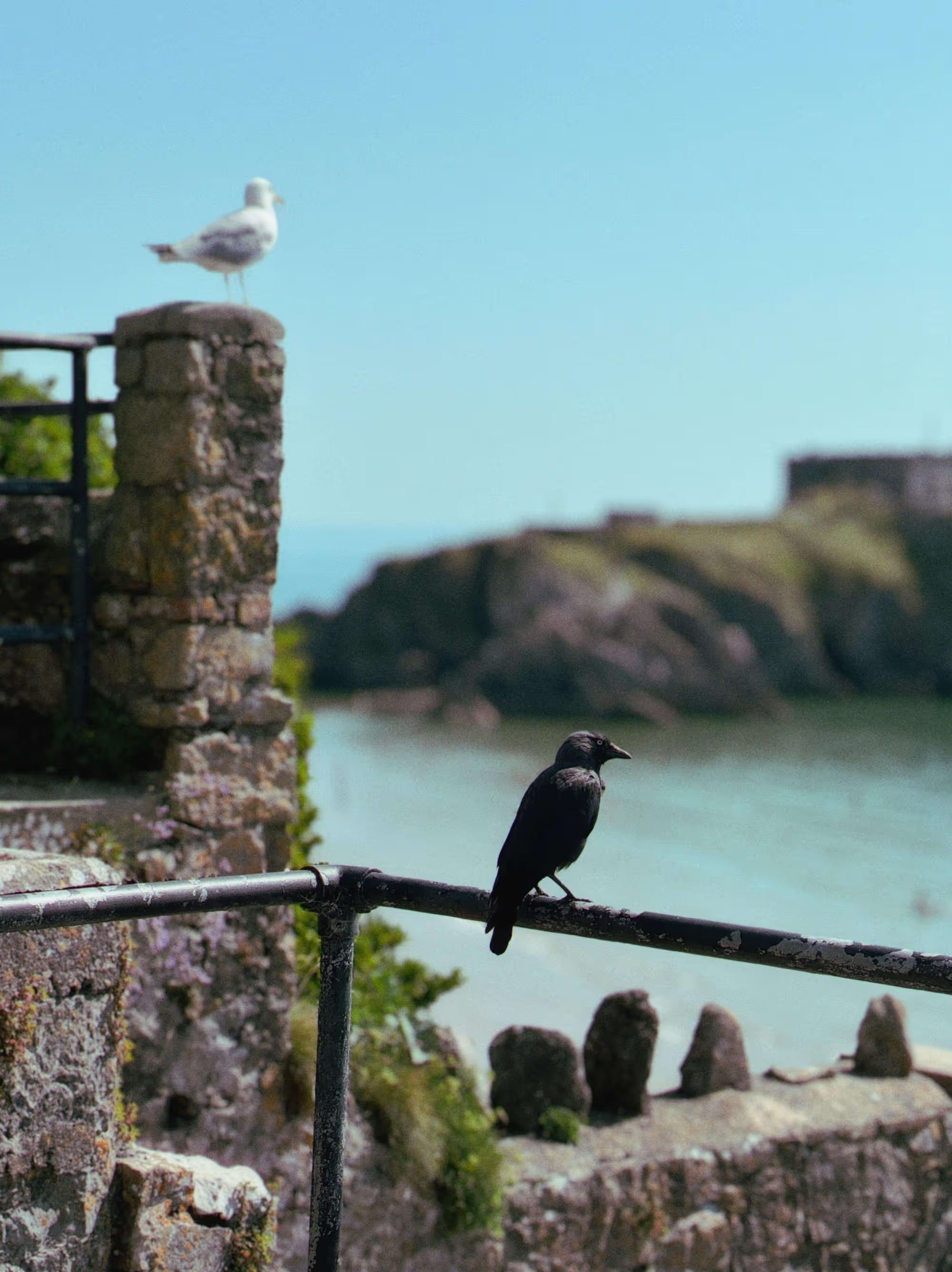
Random mode is amazing. Was that always part of the plan?
Glad you like it! I came up with Random mode as a way for people to continue using the app for free after their initial trial ended. Turns out some people just really like to use that app that way! It’s great if you like surprises and aren’t too precious about your photos looking “perfect”. It certainly plays into the idea of “letting go” of control. If anyone hasn’t tried it already, I recommend giving it a go!
Mood seems to be a very personal project. Do you have a photo you’ve taken with it that surprised you? Not for marketing or anything - but just one that you love for whatever reason? Could you share it and tell me why?
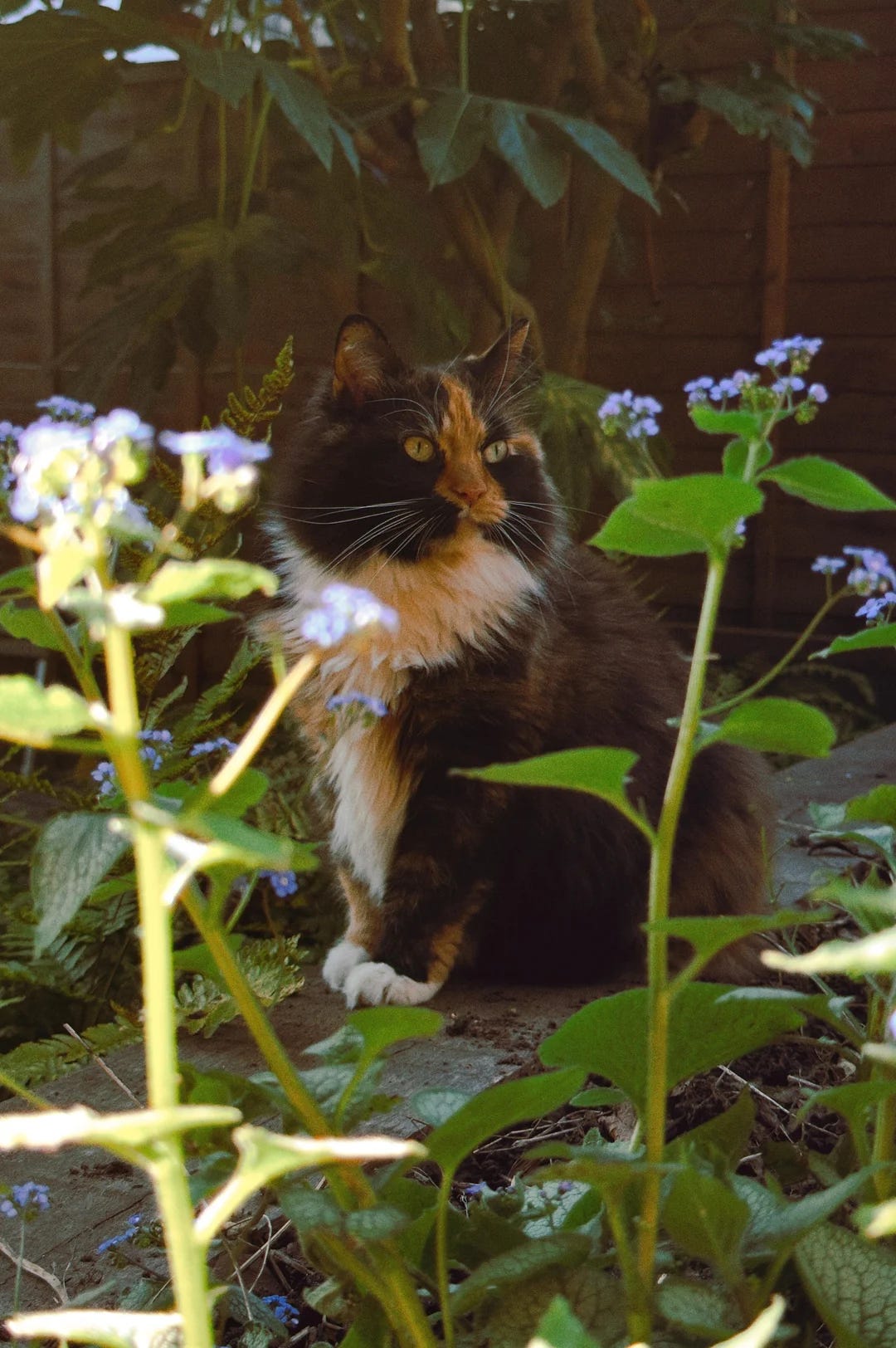
I’ve always loved this photo of my cat, Talulah, last spring in our garden. It’s been my phone background for quite a while. I think the light and framing just work really well, plus the colours pop but don’t feel over done. I also like that there’s a bit of natural bokeh from the telephoto lens. It also helps that she’s a pretty kitty heh.
You have a buy-it-once and use it forever philosophy that I find refreshing and worthy of support. Why make that decision?
It’s a tough one. From a consumers perspective, subscriptions are annoying. However, from a developers perspective you kind of need to keep a decent level of revenue to justify adding features, support for new iPhones etc. Especially if it’s your primary income. It’s tricky to get the balance and it doesn’t help that people generally don’t value software that highly.
When I first ran my beta I wasn’t really thinking that deeply about pricing but lots of users were asking for a lifetime purchase option and it just felt like the right thing to do. The app was kind of a bit of a hobby in the beginning and so I didn’t think too hard about it.
What’s next for mood.camera? Anything you’re excited about or want to share?
I’ve just released v2.0 of the app, with major improvements to the image processing pipeline. Dynamic Range, Halation, Bloom, and Tone Mapping have all been rebuilt from scratch, with a focus on more filmic, consistent results. You can read more about it, plus see some examples here: https://mood.camera/v2
I don’t have any details on what’s next, but I’ll probably be focussing on stability and small tweaks to the v2.0 release.
What else did I miss?
Big thanks to my community and everyone who’s sent me a message with support for the app. It’s a good feeling to know all the hard work is appreciated!
Guiding principles
For the project I focussed on four guiding principles:
1. Produce characterful photos.
I wanted the photos produced by mood.camera to look like nothing else produced by a phone camera. Instead of focussing on sharpness and clarity, the images should have physicality and charm.
2. Be a joyful experience.
Each shot should carry an element of anticipation and surprise, echoing the experience of a film camera. This sense of mystery and excitement is something that has been largely lost in the era of instant digital gratification.
3. Reset the photography mindset.
Encourage users to embrace uncertainty and lack of control, instead of obsessing over the perfect edit. This freedom from the pressure to produce flawless images, allows the photographer to rediscover the simple pleasure of taking photos.
4. Straight-forward to use, but with depth.
It was important that I included enough control to allow creativity but kept the point-and-shoot essence of mobile photography at its core.
Here is a video featuring the mood.camera app, and some of the things I’ve learned by using the app:
P.S. - If you’re getting this, you’re probably already subscribed to my newsletter, but please share this with any photography enthusiasts who are looking for inspiration, tips and a positive photo community (no judgement here)!
And as always, send me any questions you have or topics you’d like to see me cover in upcoming newsletters or YouTube videos (you can subscribe here).
More than anything, even if you don’t purchase a print, subscribing to my YouTube channel, watching some videos, and leaving me a comment about what you think is a great, free, way to support me!
Comments? Leave them below or email me: jerredz@gmail.com
I will rethink using phone seriously again. Thanks for this post. Refreshing!
I’ve been using this app for quite some time and really like it.