

What happens when a town dies?
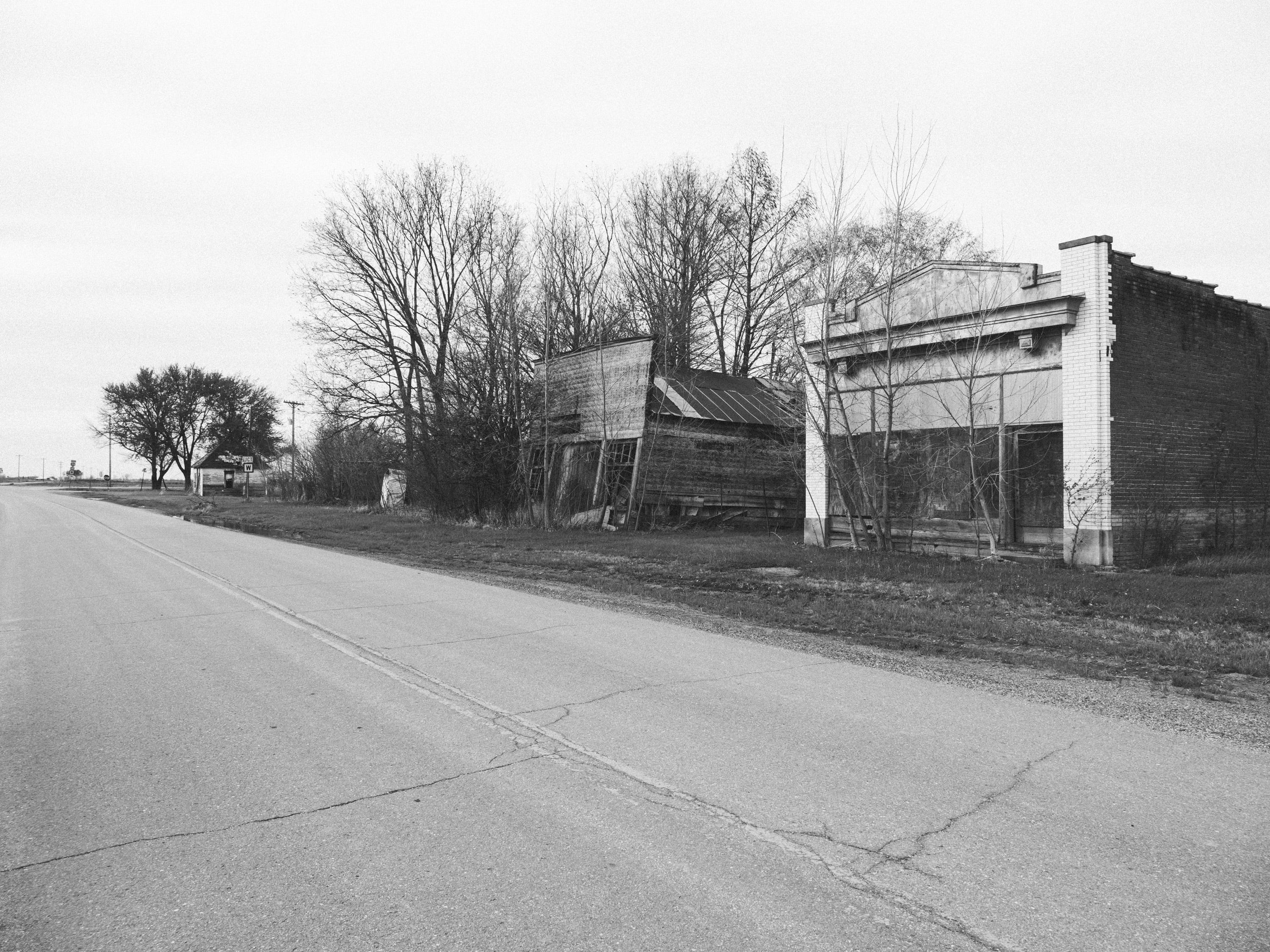
Not much, honestly. At least for those, like me, who come to gawk at the detritus.
(Remember: the world ends not with a bang, but a whimper.)
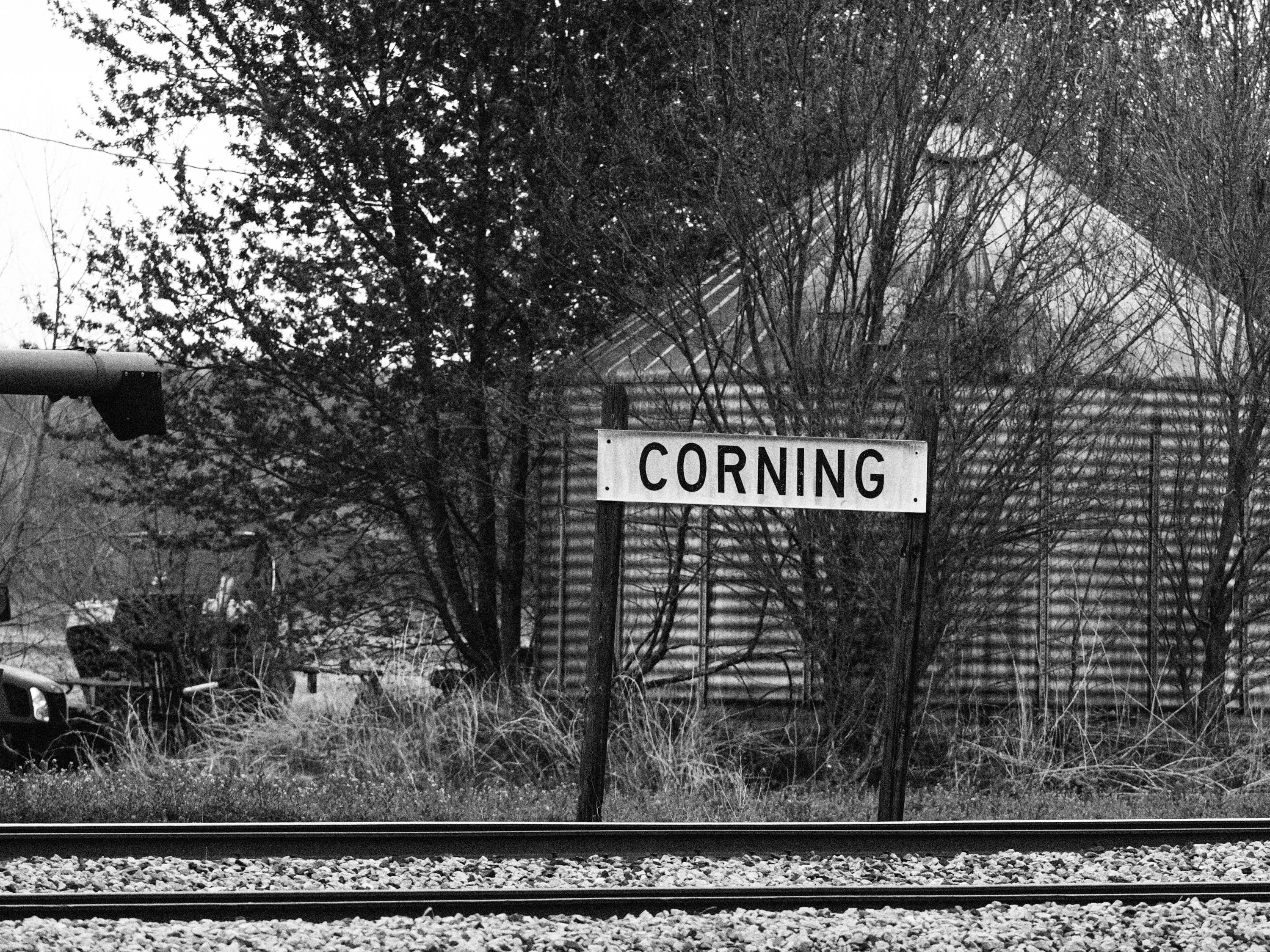
From the outside, we see fascinating glimpses into dead dreams, families scattered, and forgotten city streets… but we will never understand what it’s like to live through the kind of slow decline the people of Corning, Missouri have experienced through the years.
Corning was a railroad AND river town, which sounds great! But flooding was always a serious issue for people in Corning since its founding in 1868. (Population decline is a prevalent story in all these floodplain communities along the Missouri river).

The floods come in. The people rebuild… but some leave.
It was a pattern you can see in the town’s census numbers through the years, with precipitous drops during severe flooding.
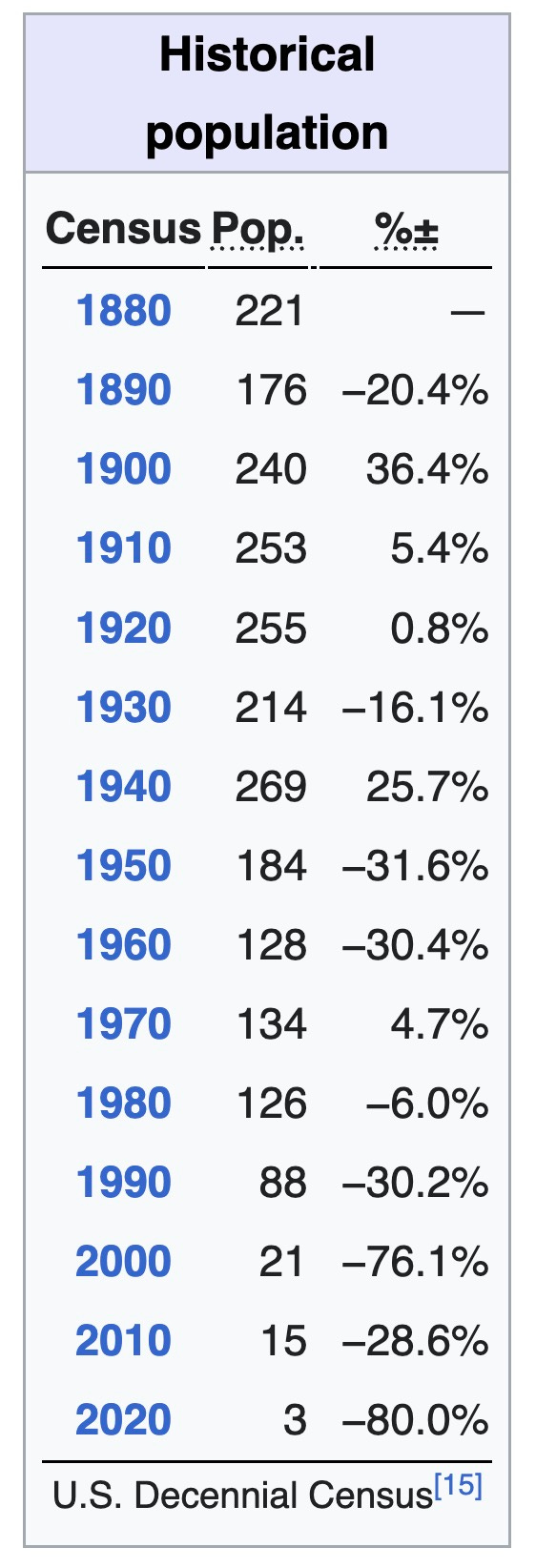
The last straw was the disastrous flooding in 2019, which tore through the levees throughout this entire region. Roads became impassable. Living became impossible.
And on December 27, 2022, the town officially disincorporated.
The town of Corning, Missouri no longer exists.
However, it’s a fascinating place to explore:
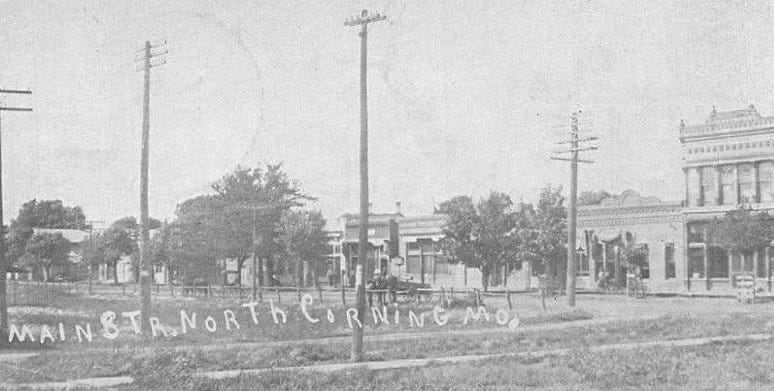
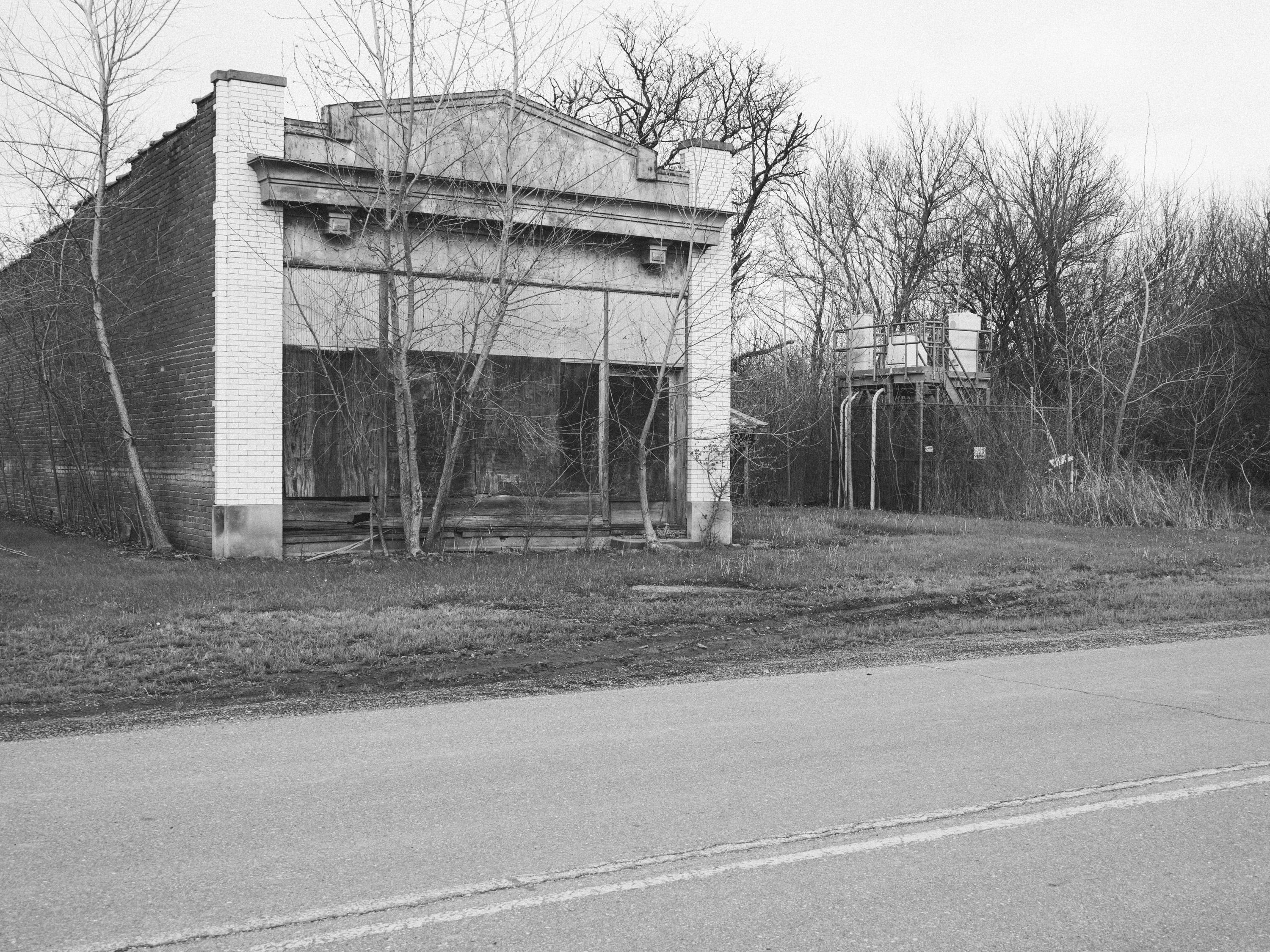
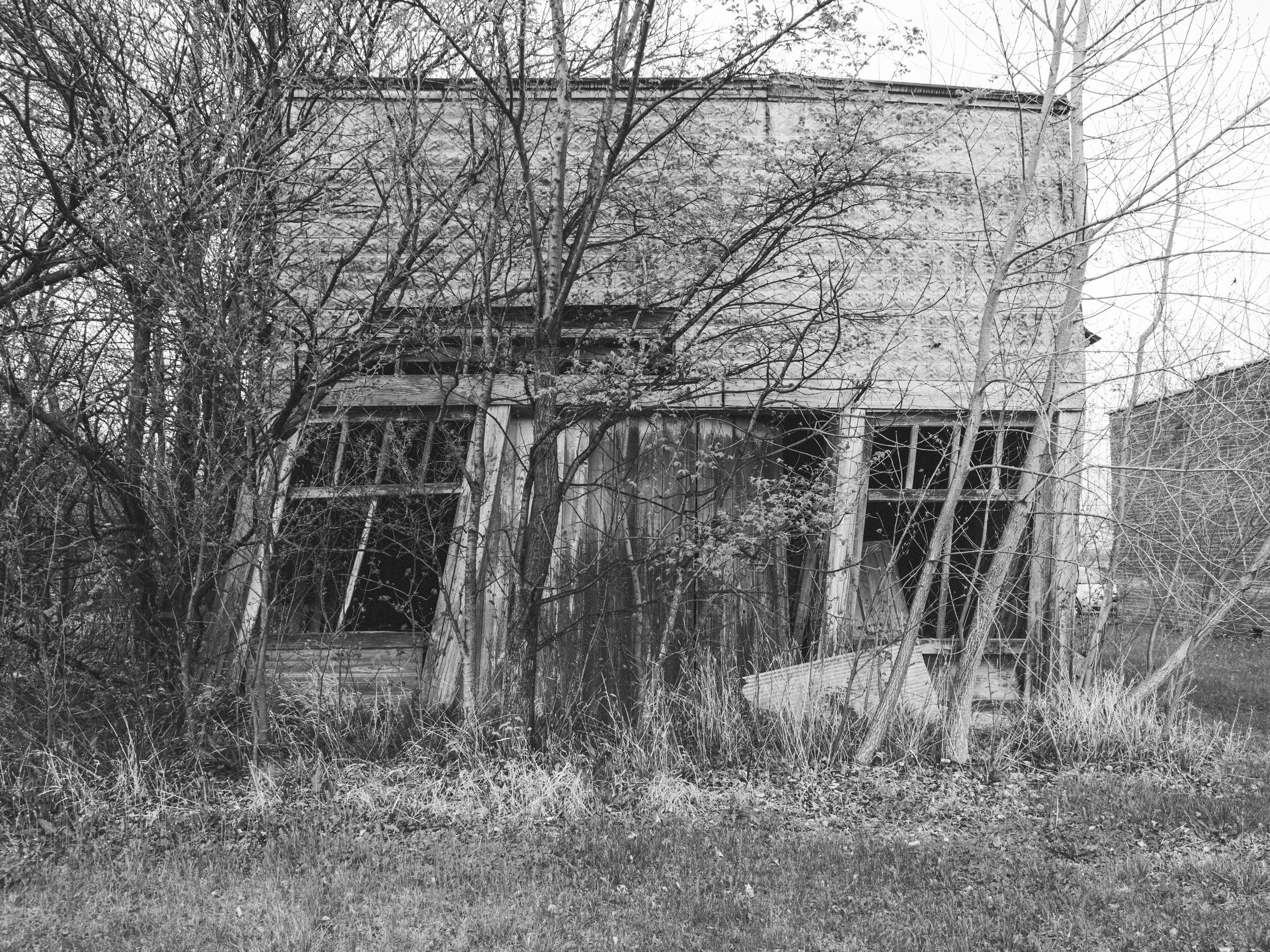
Main Street
From an article in Farmer’s Publishing:
Corning was a prosperous community that had quite a variety of businesses for the size of town that was available. It had two general stores, flour mill, two drug stores, dram shop, bank, newspaper, furniture and undertaking business, boot and shoe shop, harness shop, two blacksmith and wagon shops, two livery stables, a lumberyard, sawmill, rope and twine factory and brick factory. There were five doctors, a dentist, two cemeteries and a saloon. Corning also had an M.E. church, grain elevators, ice houses, creamery, meat market, barber shop, millinery and dress-making shop, post office, opera house, a string band and hotels.
Corning had the river for activities and entertainment along with Manitoba Lake and Schulte Lake. Manitoba Lake had a very large 4th of July celebration for many years before it was drained. The lake no longer exists.
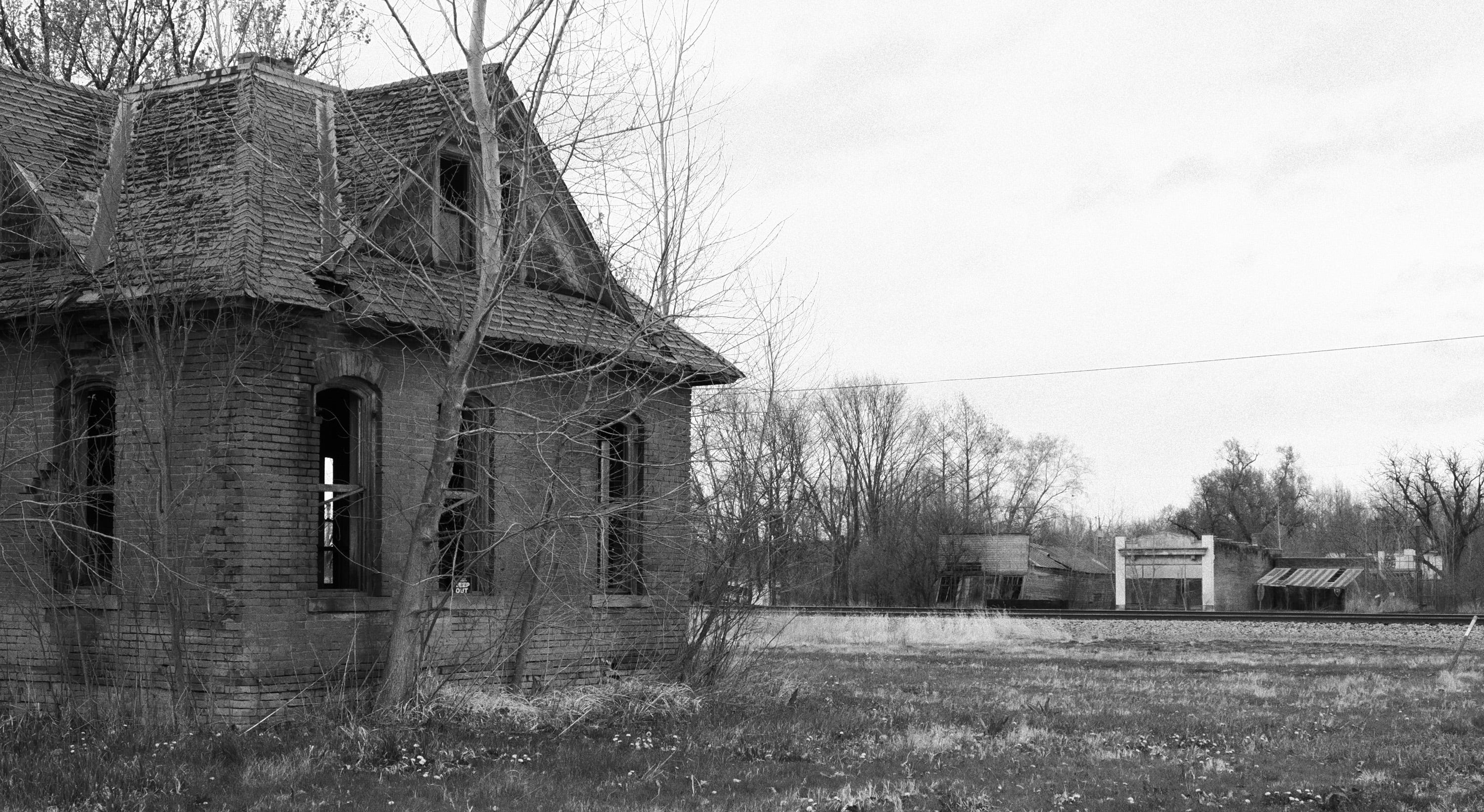

The Neighborhood
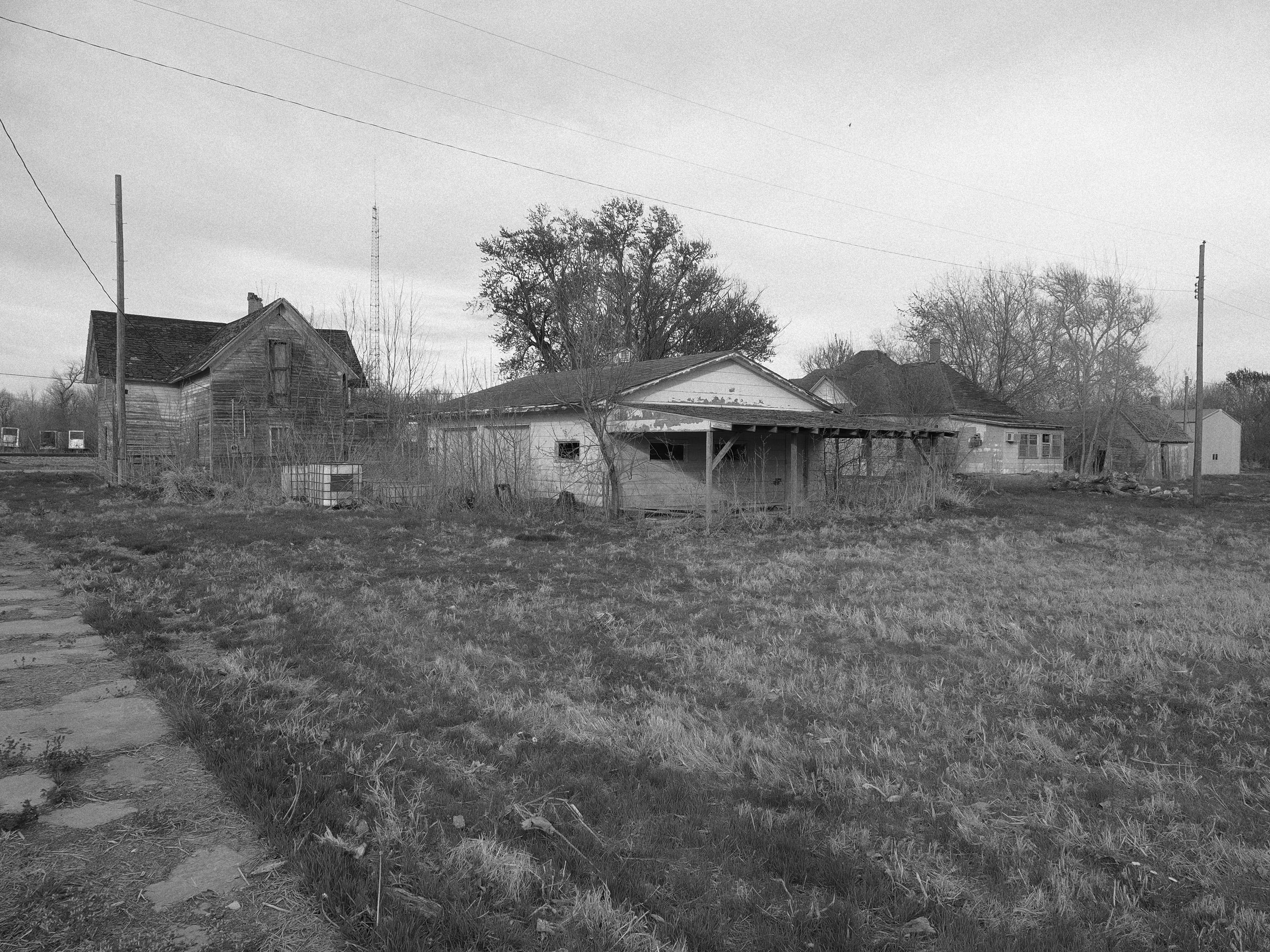
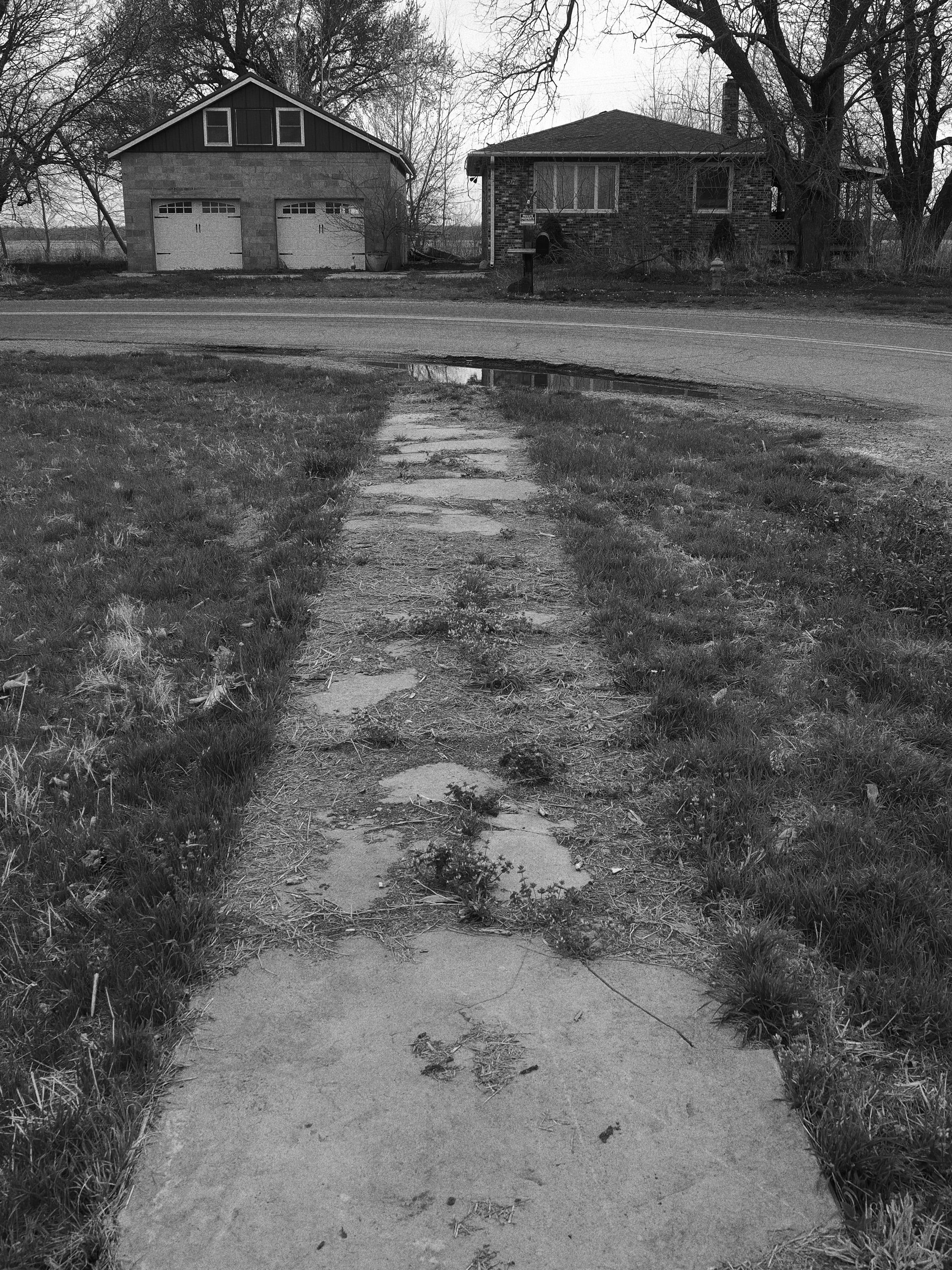
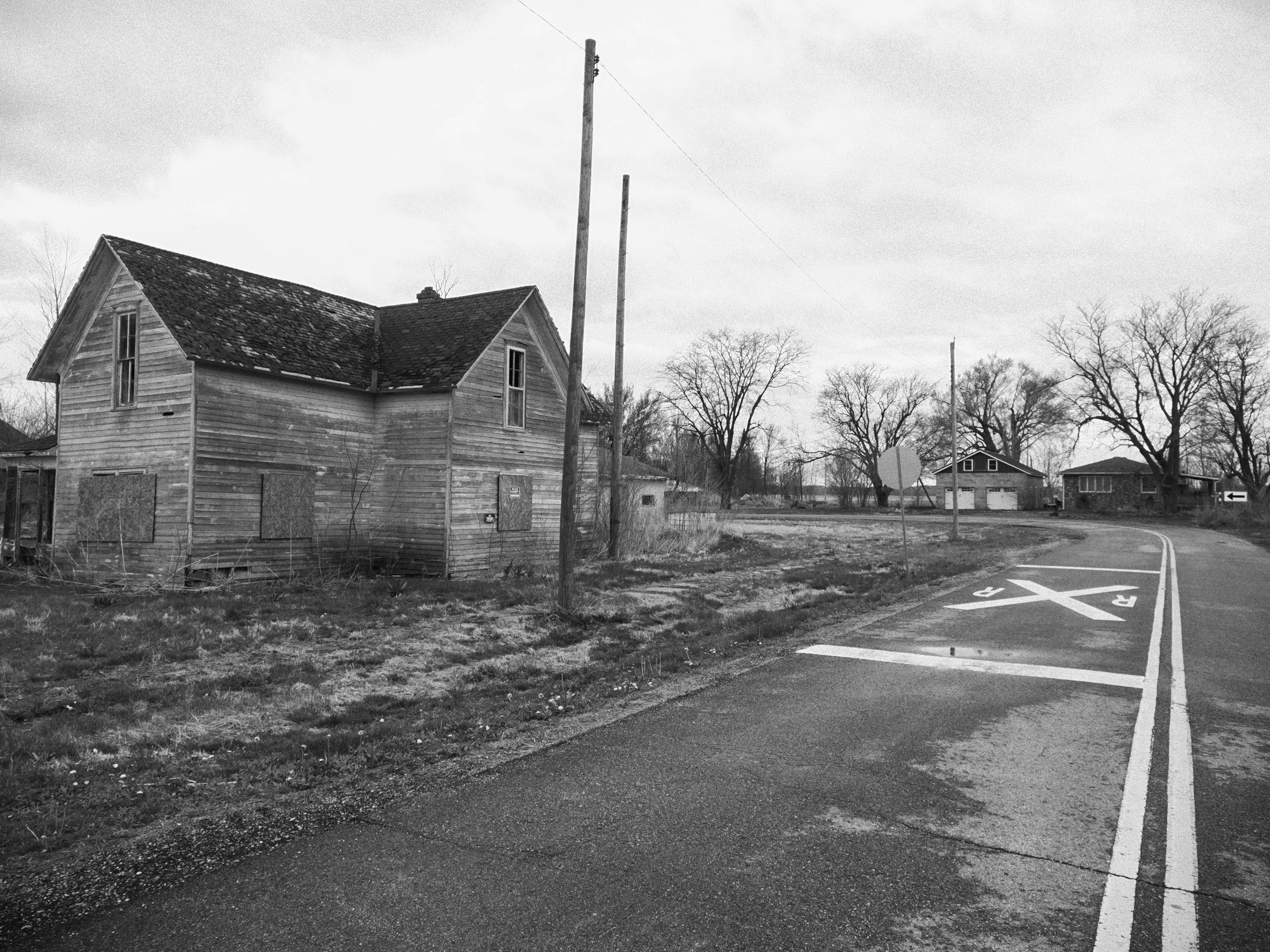
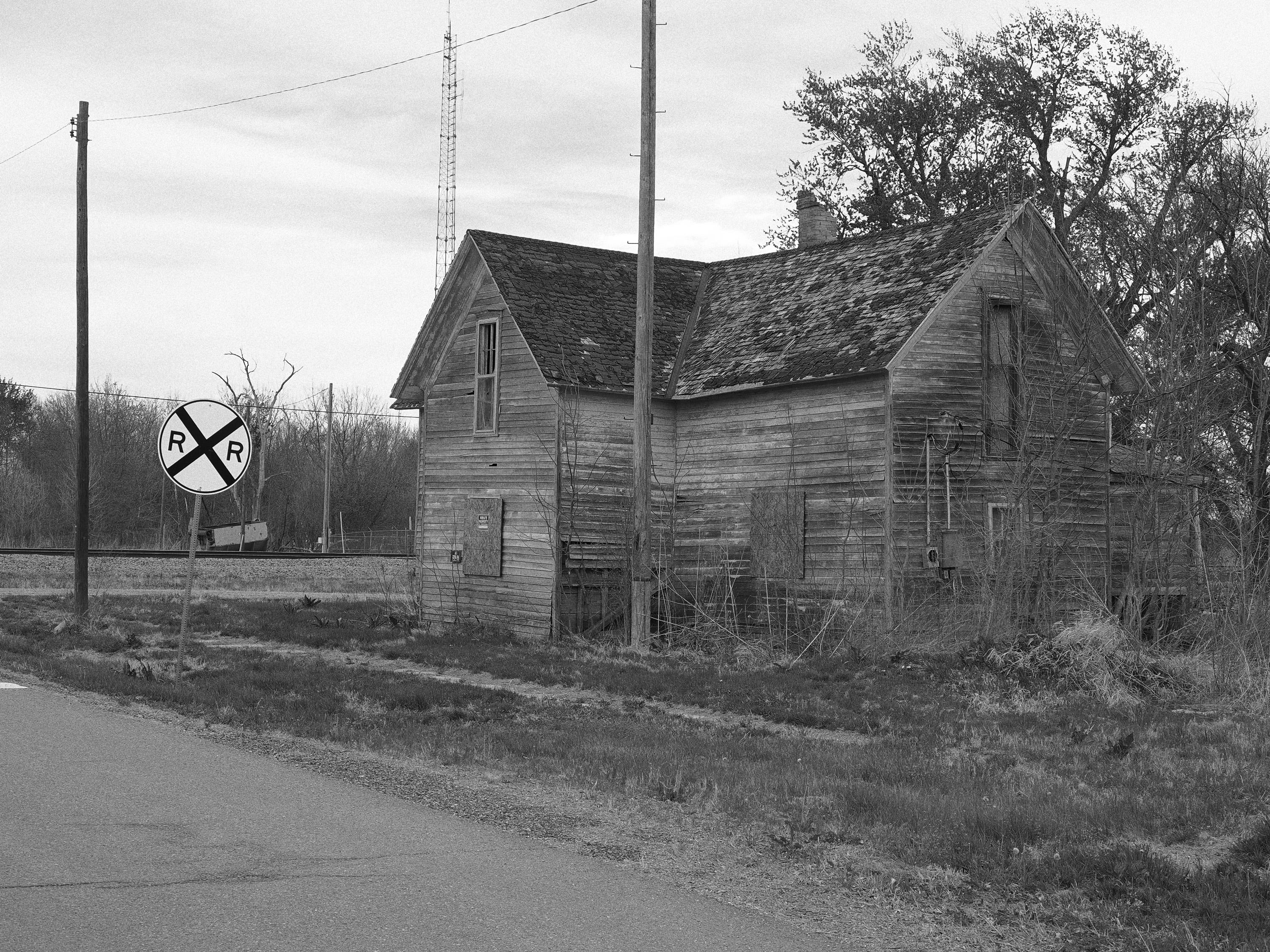
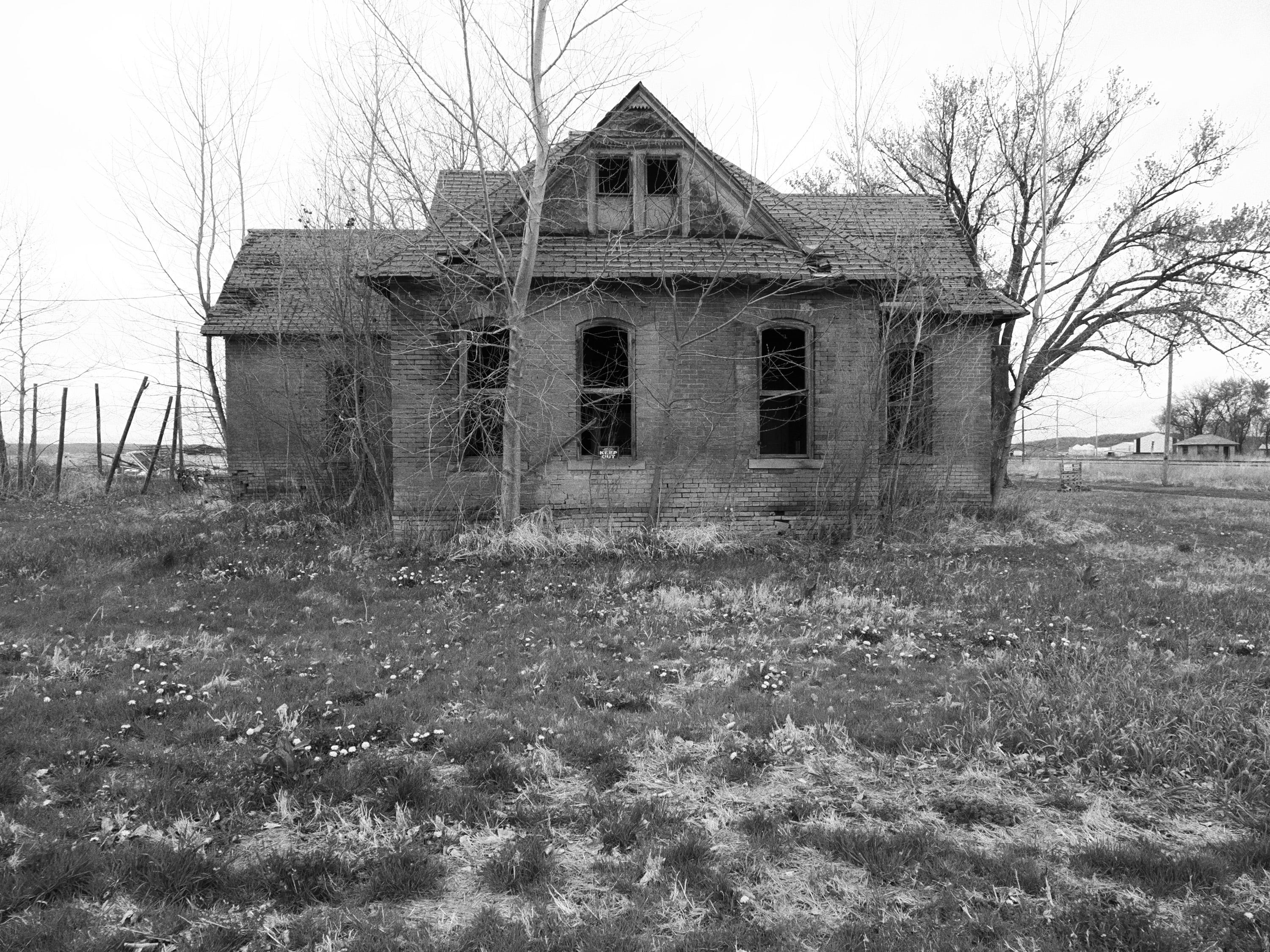
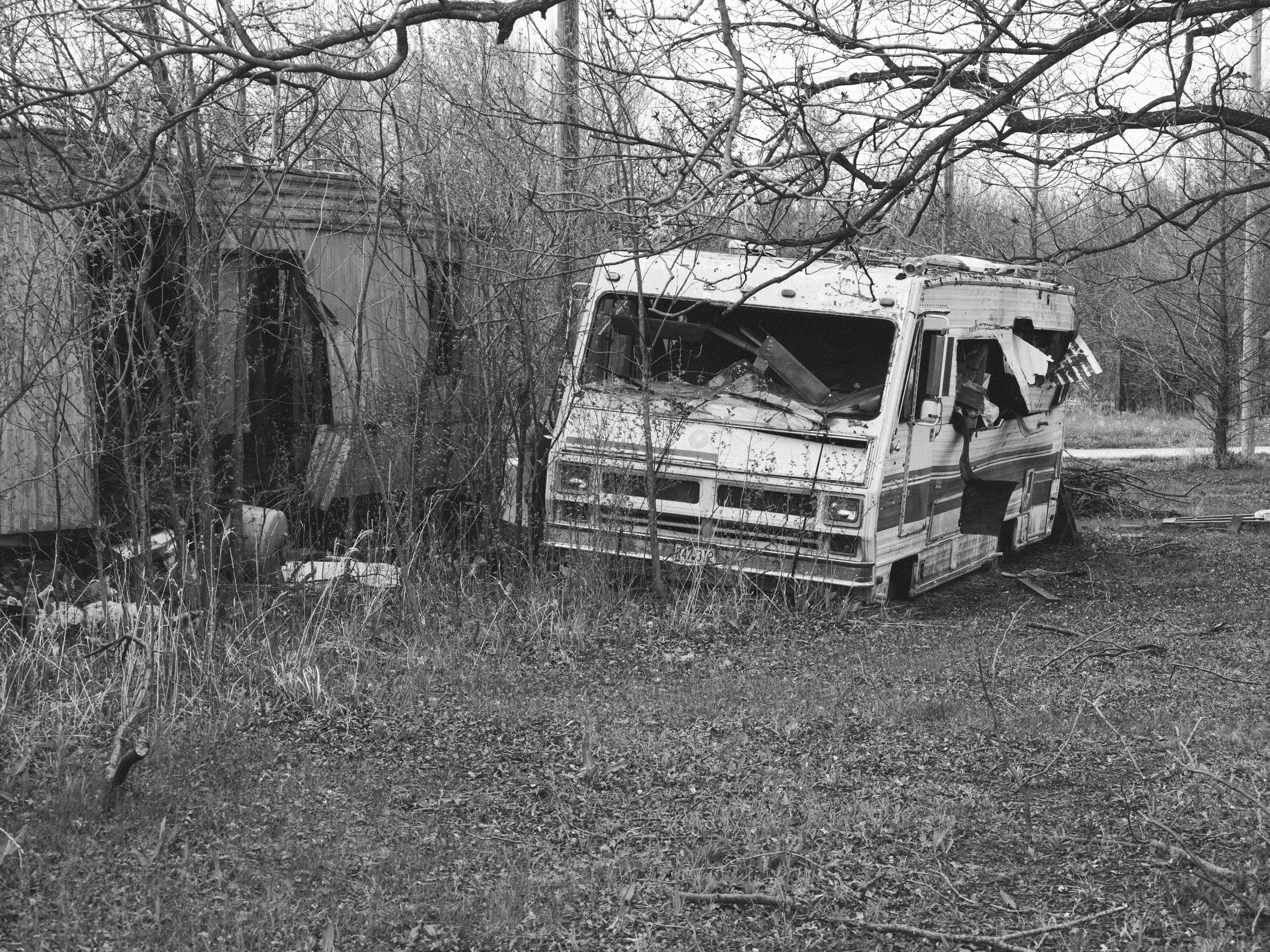
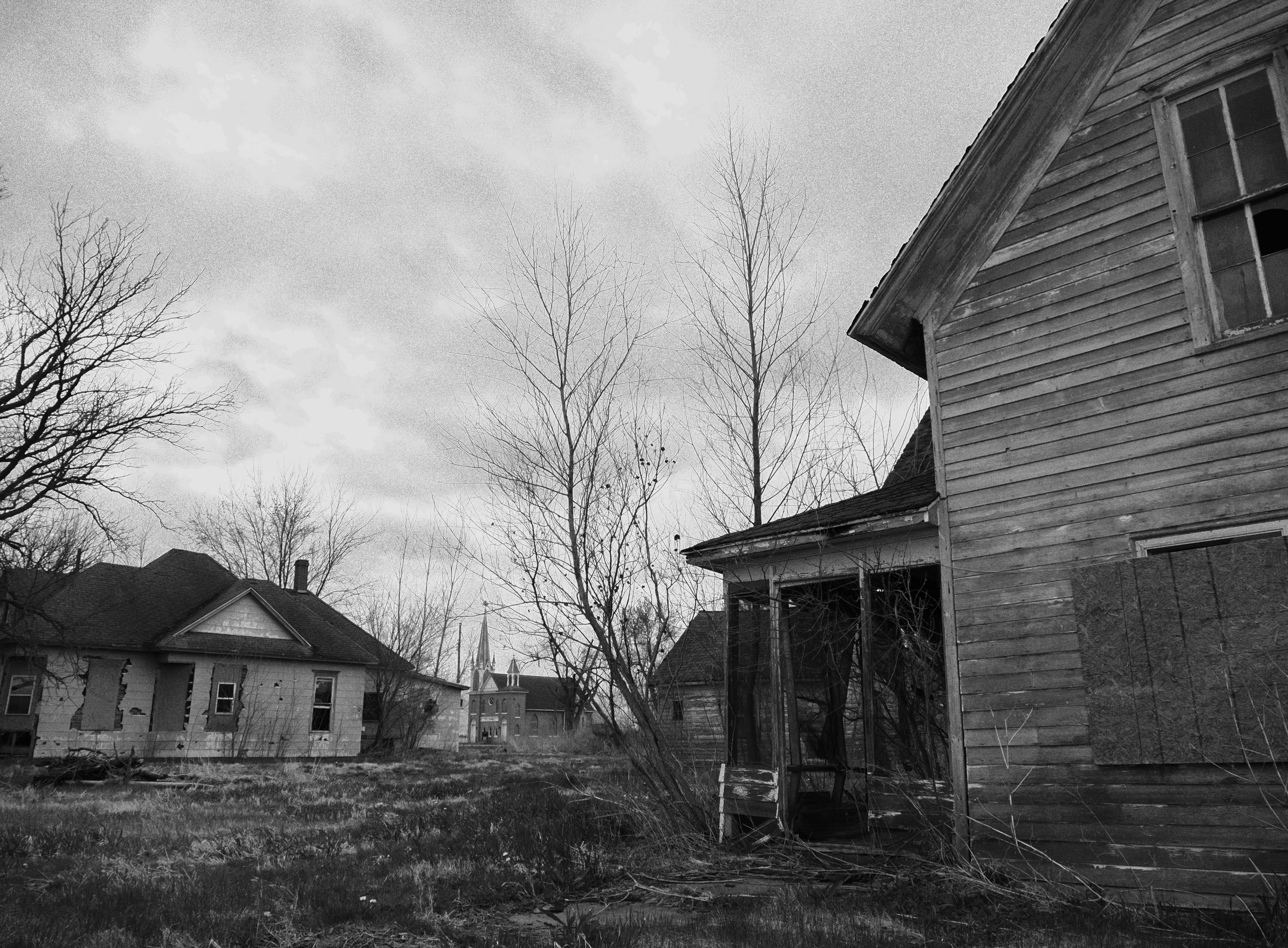
This place was eerily quiet as I walked the streets.



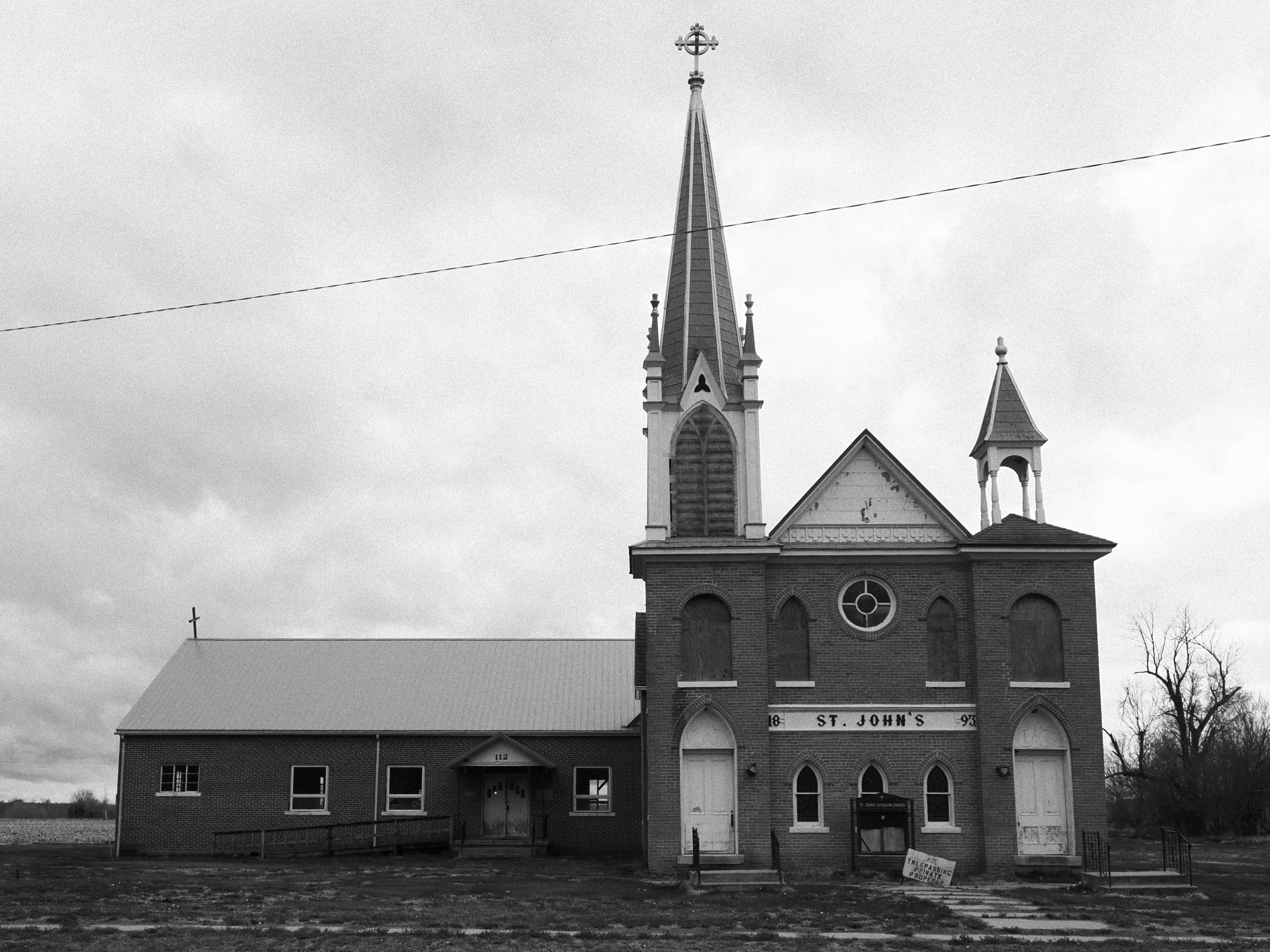
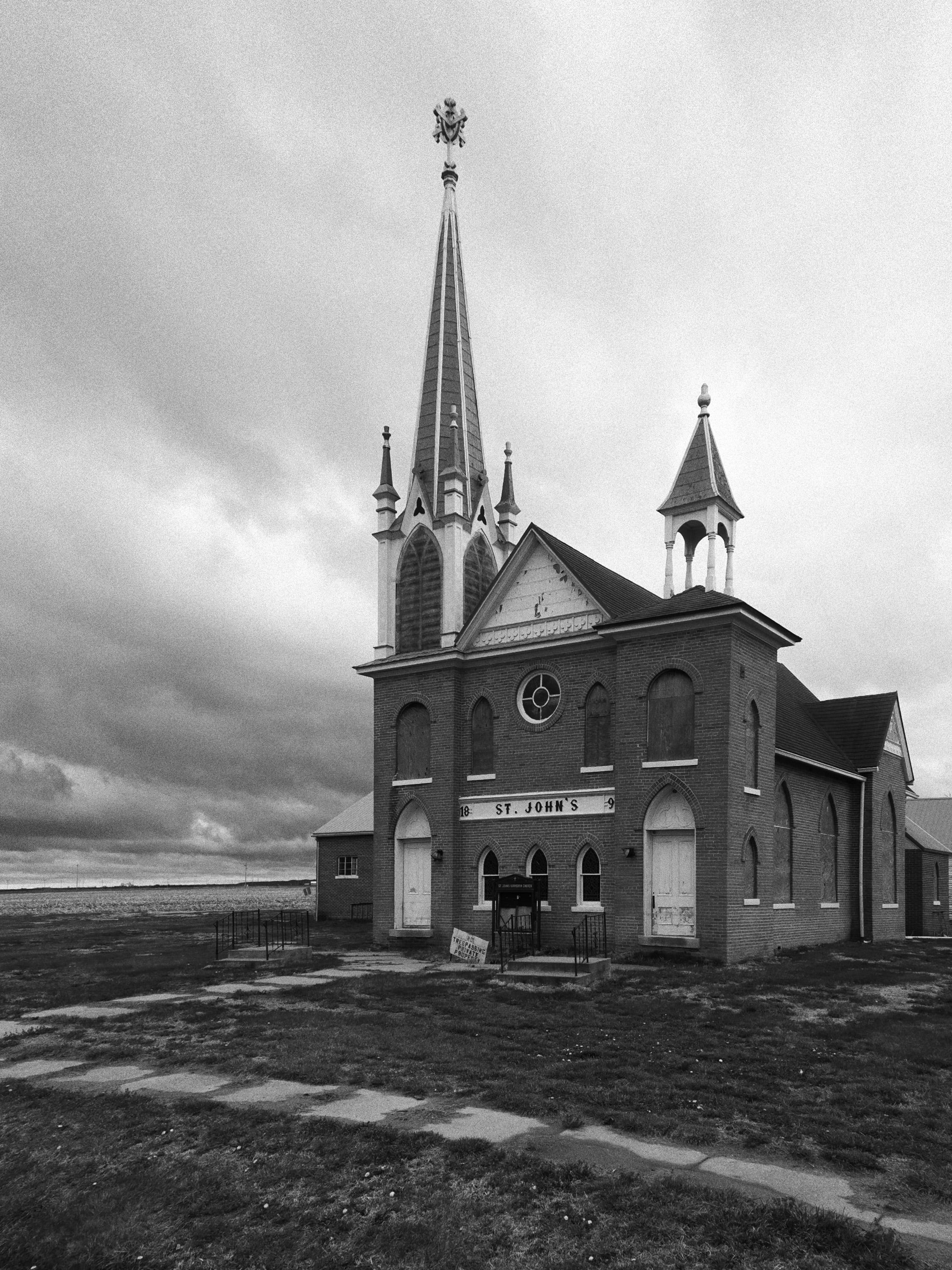
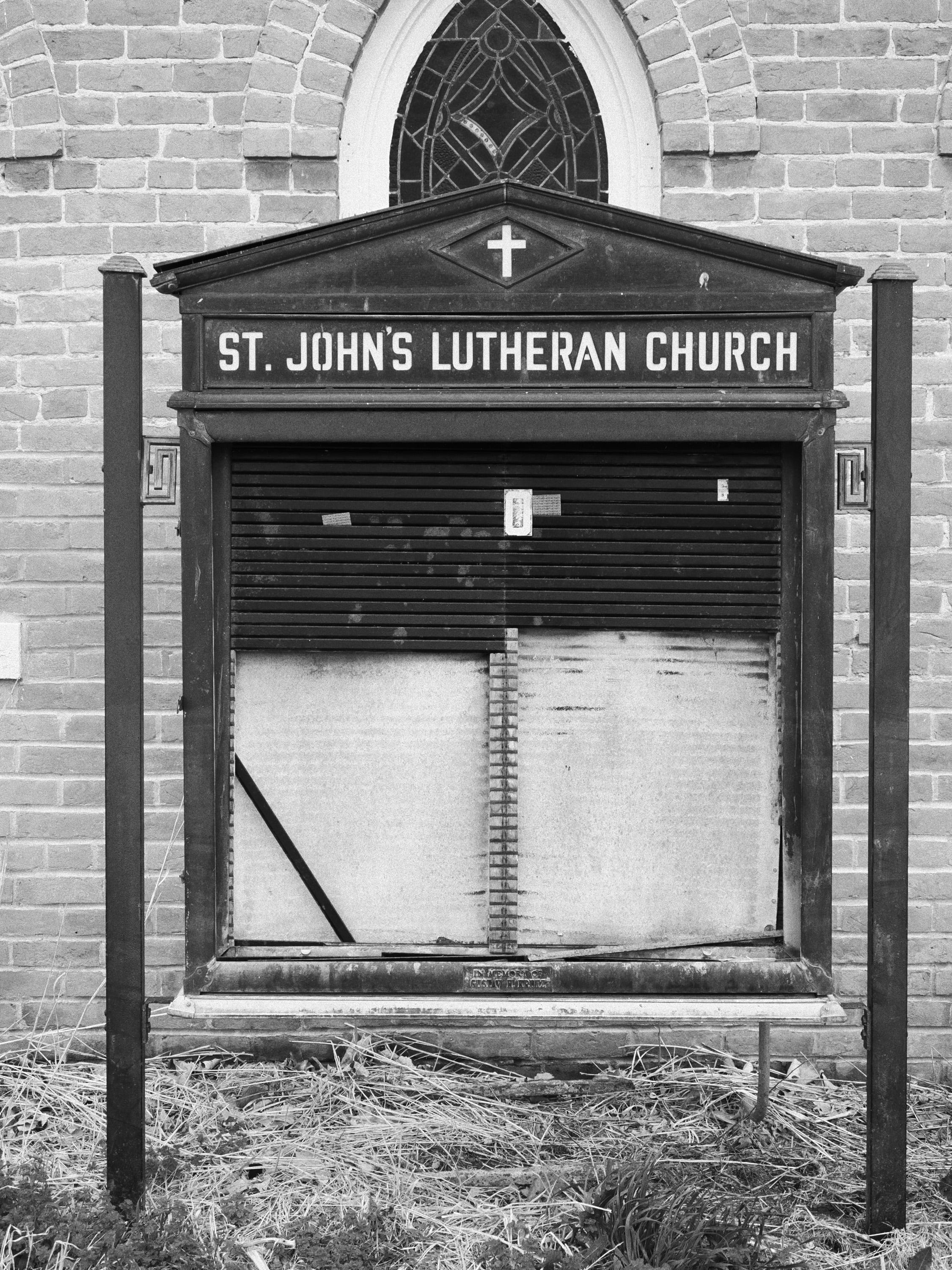
St. JOHN’s Lutheran Church
This church is on the National Historic Register, but its days are numbered.
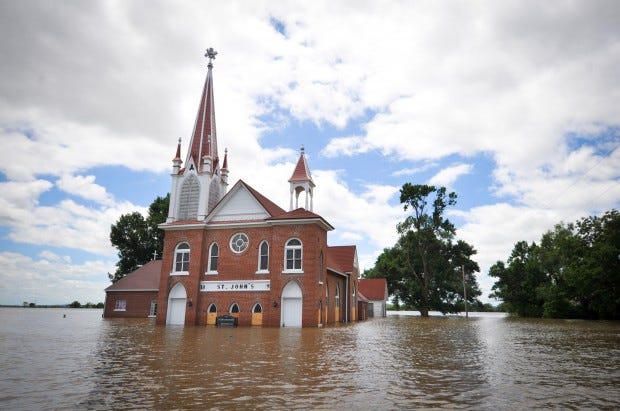
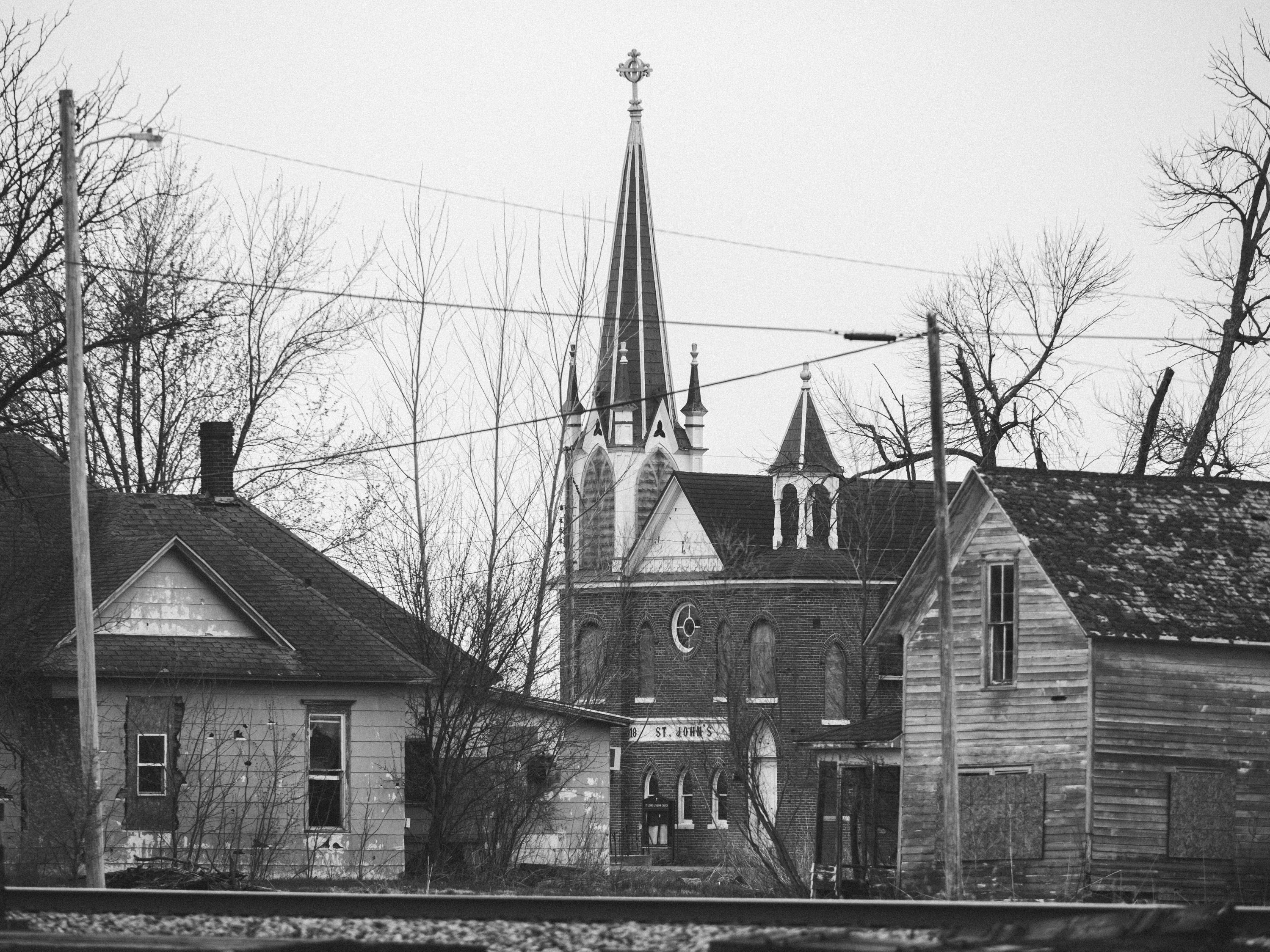
Corning started as a mostly German-speaking town, and this church held services in German for a while.
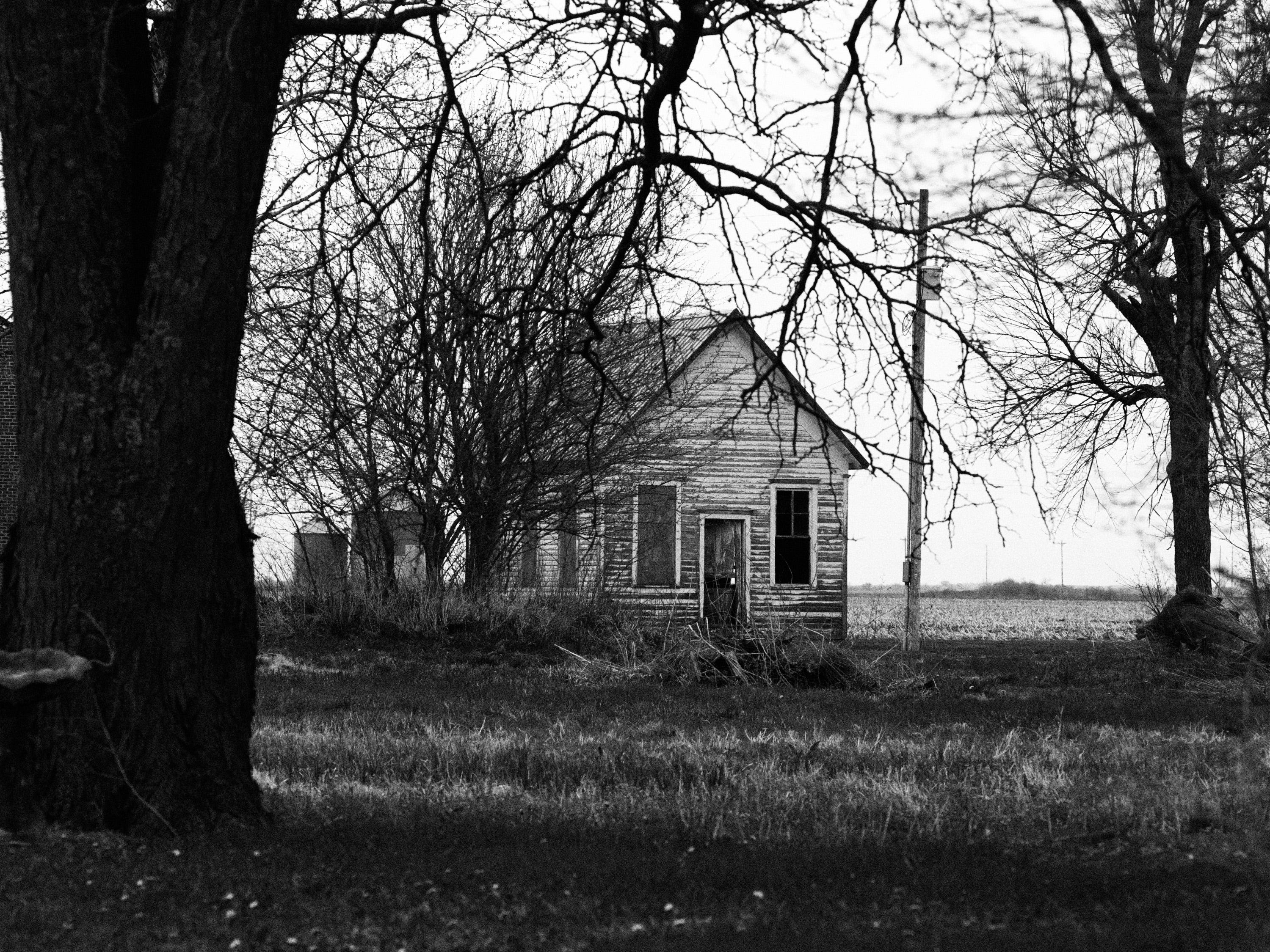
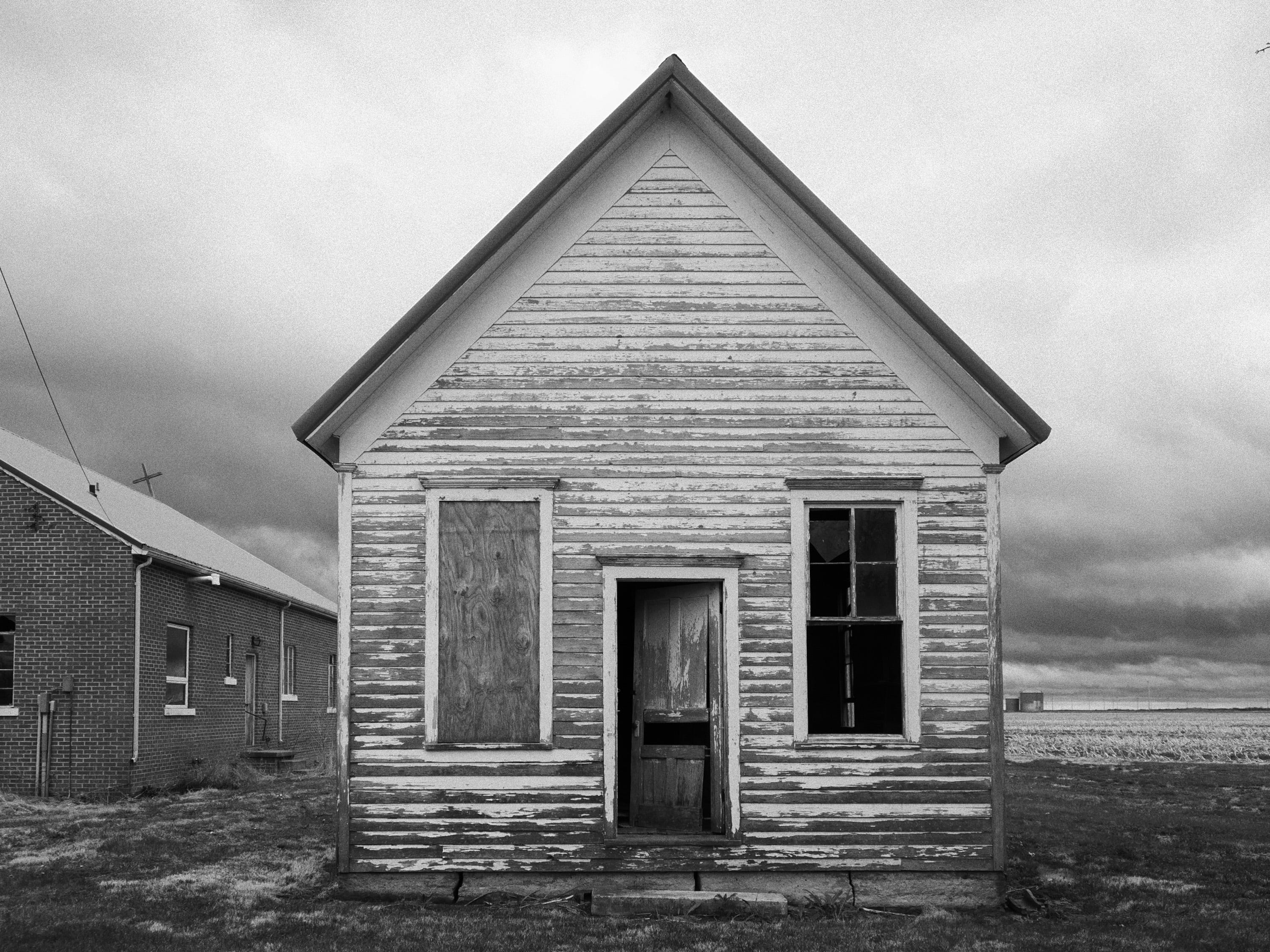
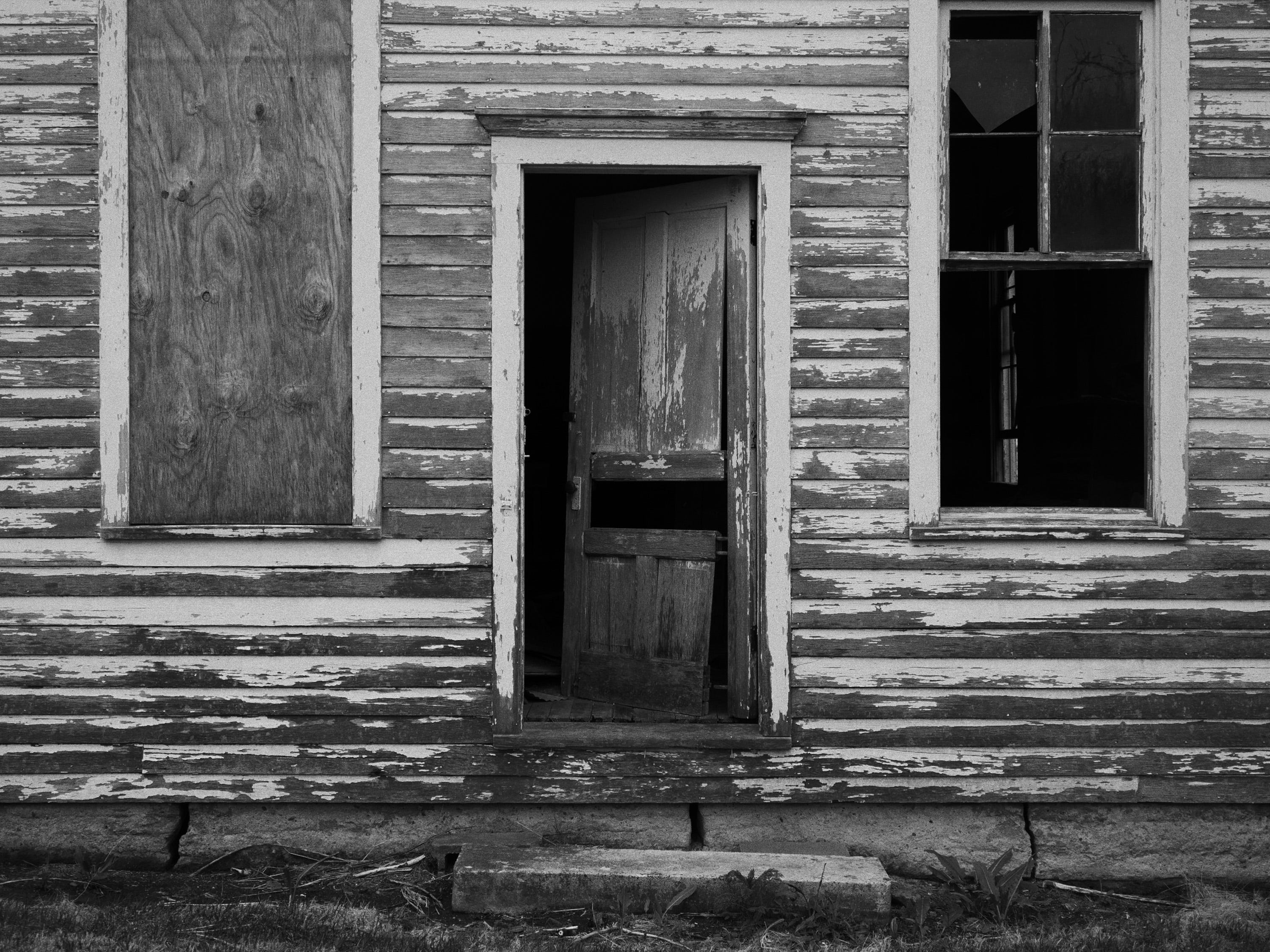
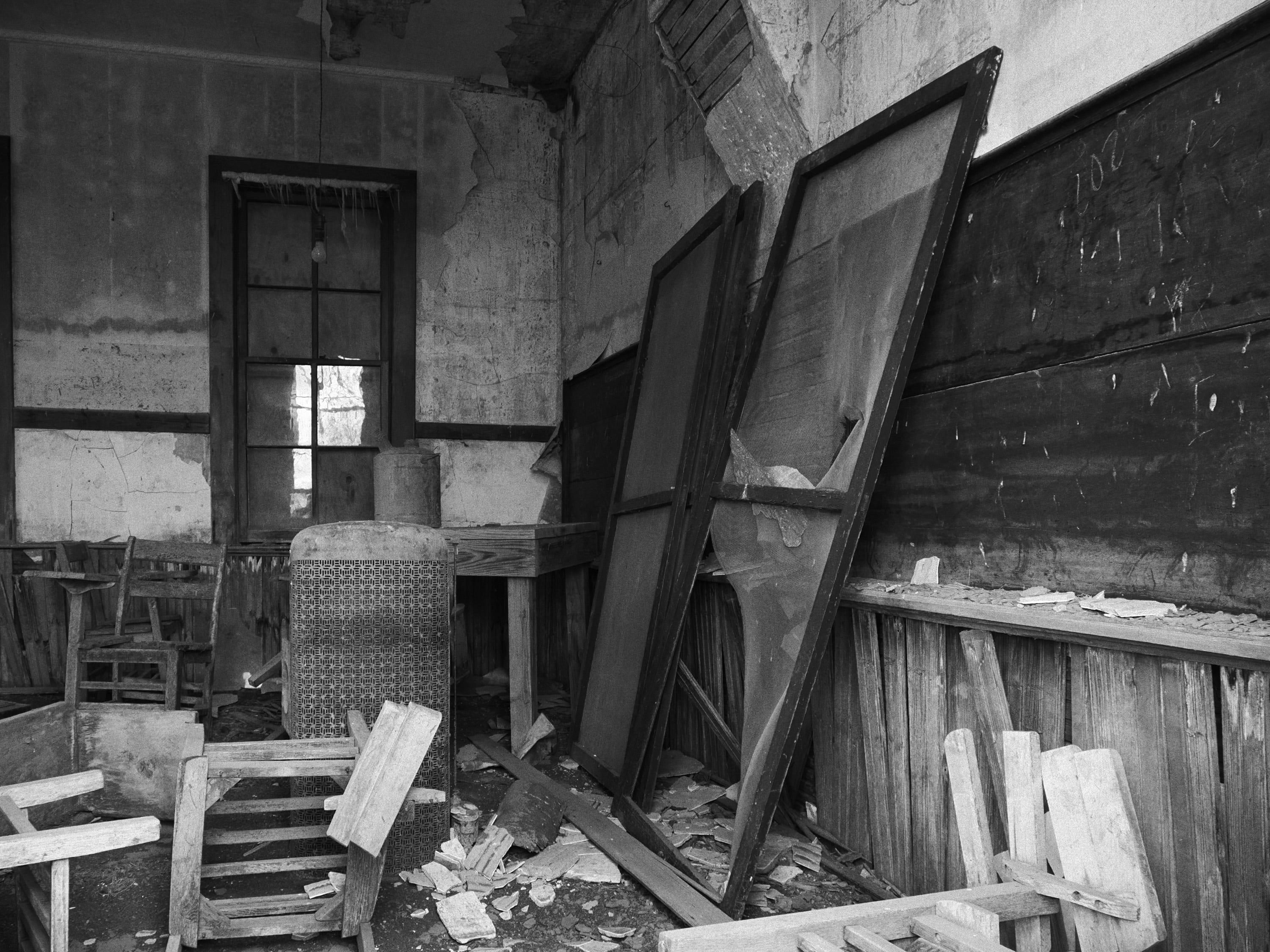
The Tiny One-Room Schoolhouse
This little gem of a school held regular German speaking classes from 1912-1917, after which it held various functions for the church and community.
As a former high school teacher, I feel connected to these places.


This photo is NOT from the schoolhouse above, but instead a Corning classroom in 1953 (taken at a school no longer standing). I find it fascinating.

This guy either wound up in jail or a became a politician:

These two have contrasting views of having their photos taken:

Definitely the class clown in the next one. What is on his shirt? Looks like a giant worm destroying the town or something.

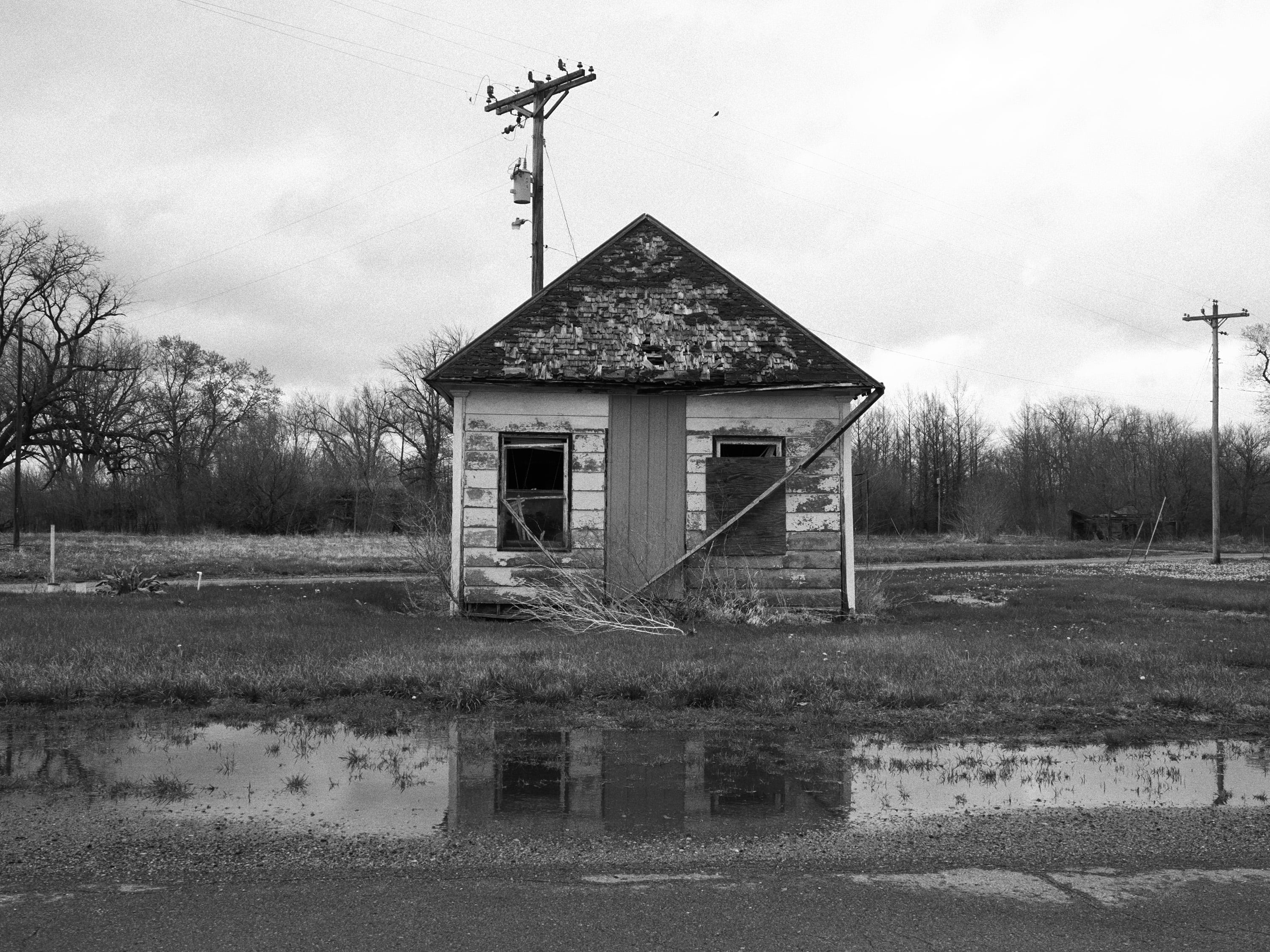
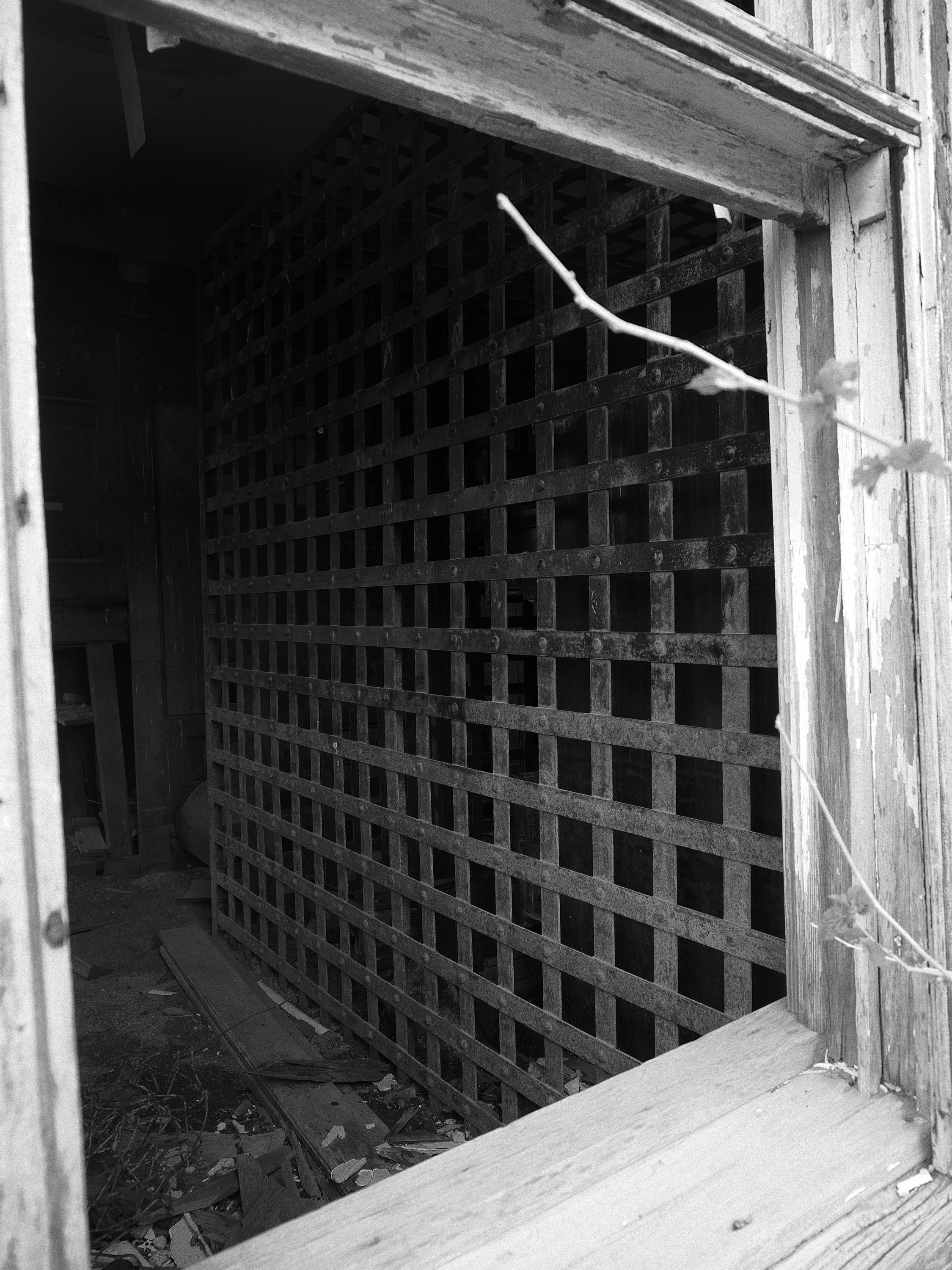
The Jail
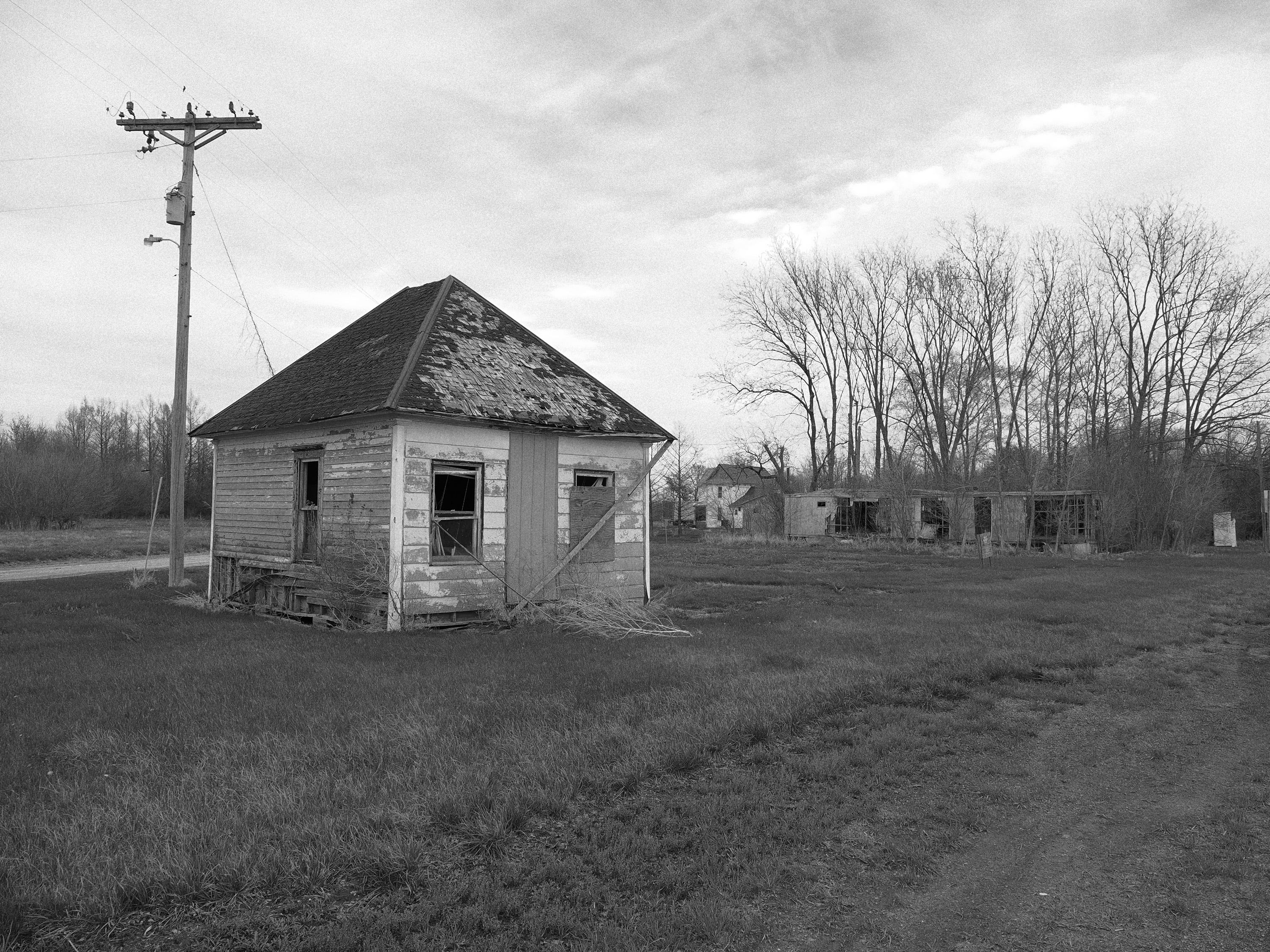
A local (thank you for your time, Phil Graves!) told me that this was the jail, so I had to get closer to see.
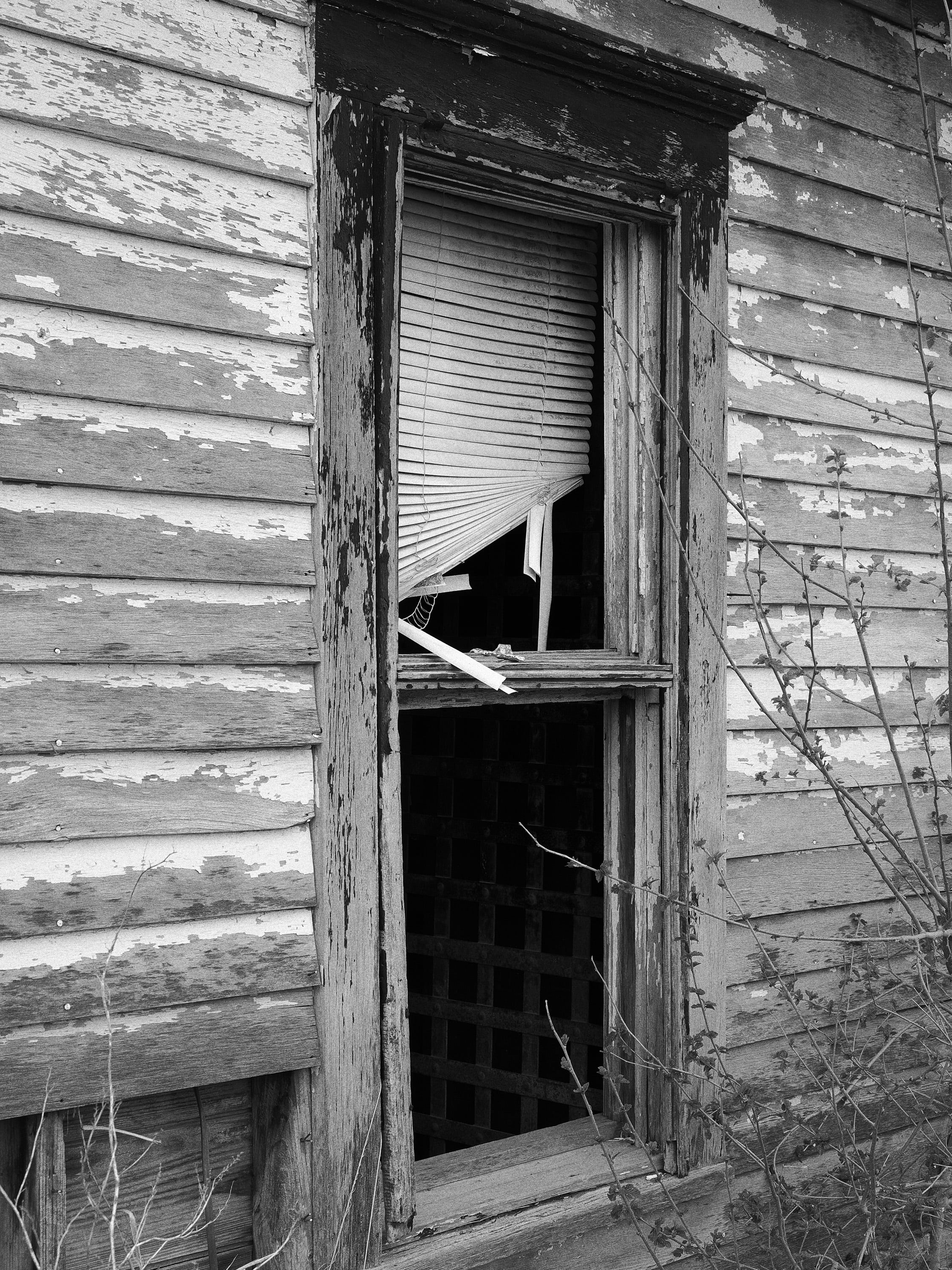
I peaked inside… and saw the distinct sign of a small-town jail. Basically just a metal box for you to hang out in while you (likely) sobered up:
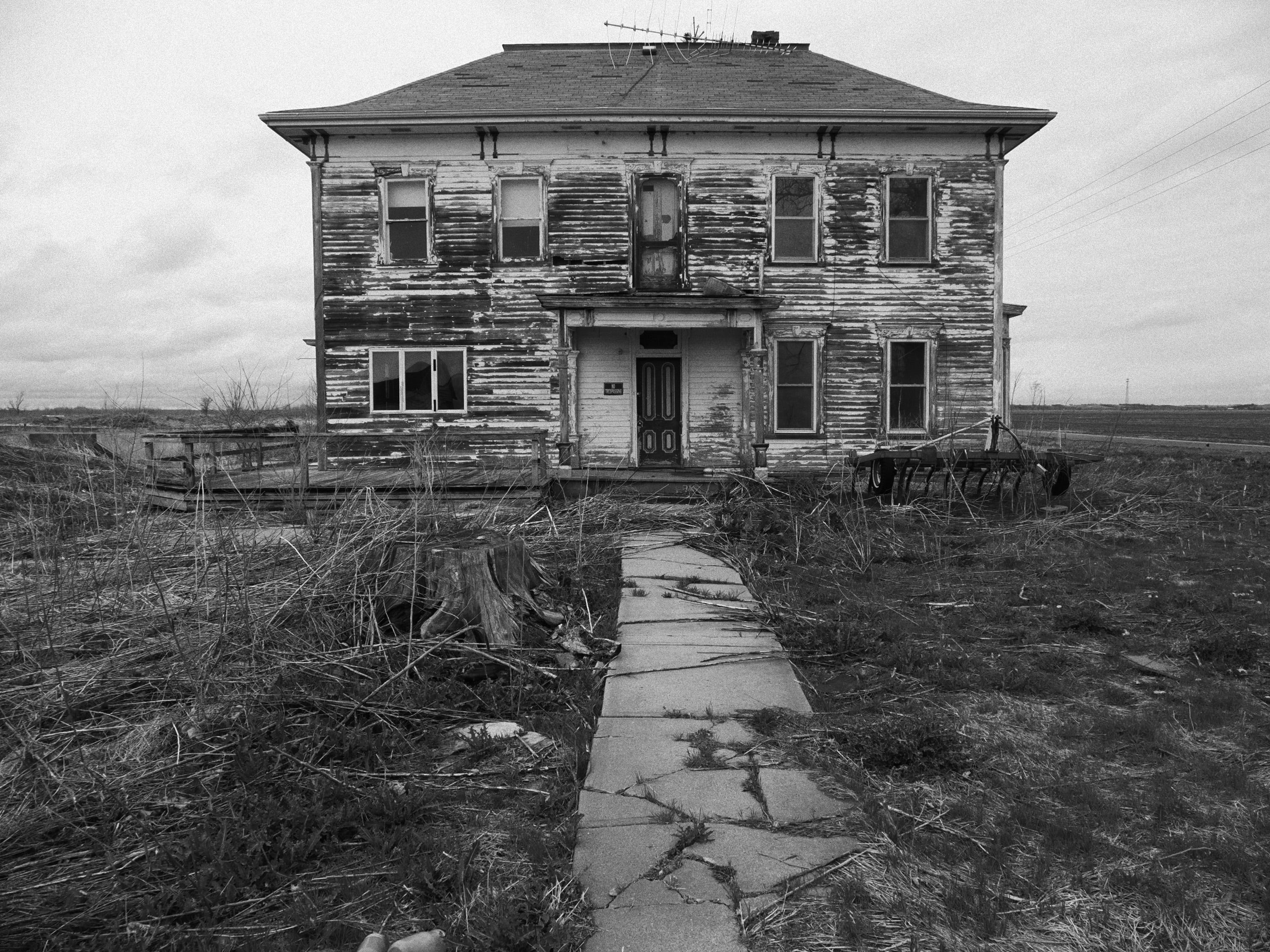
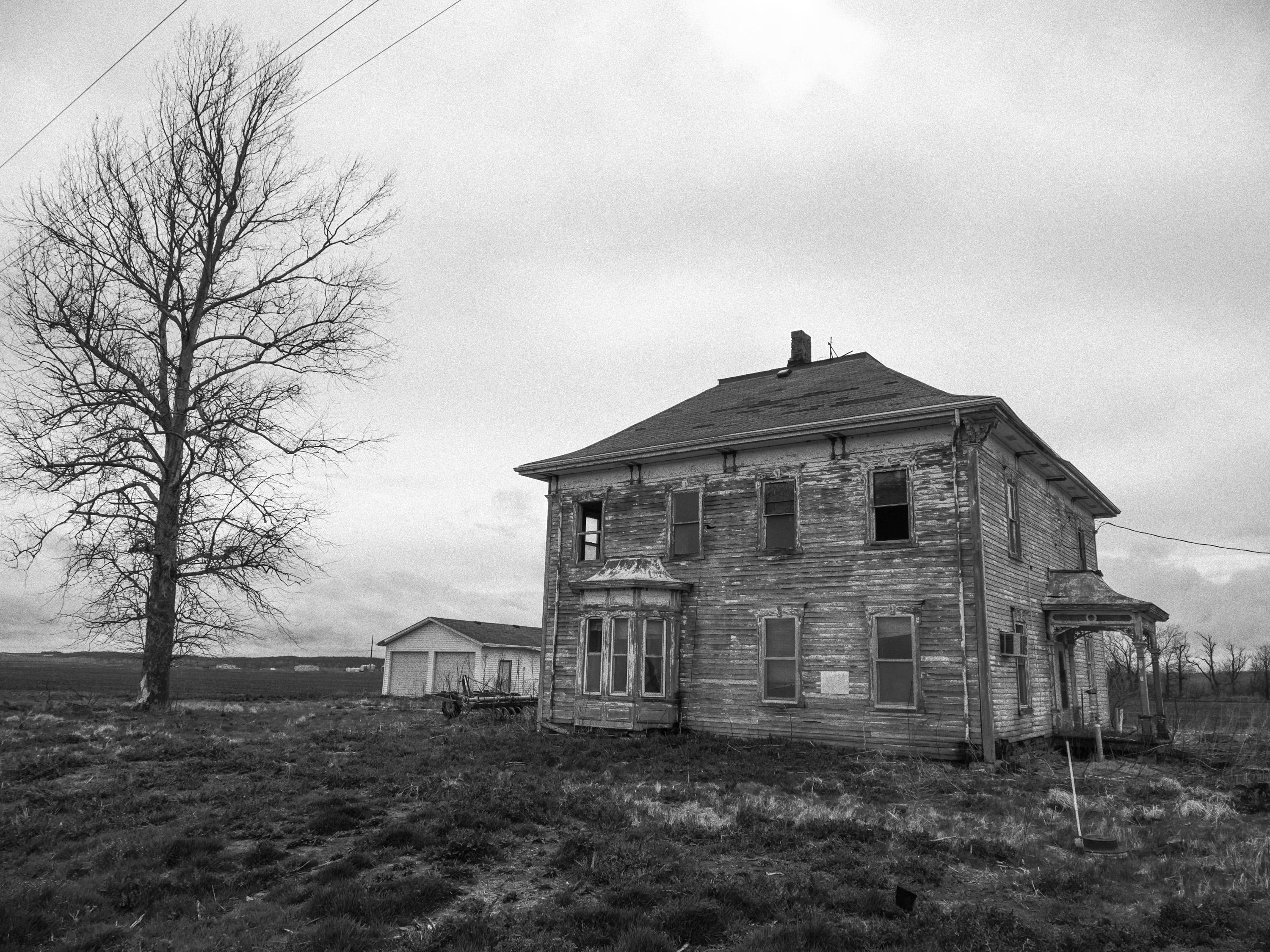
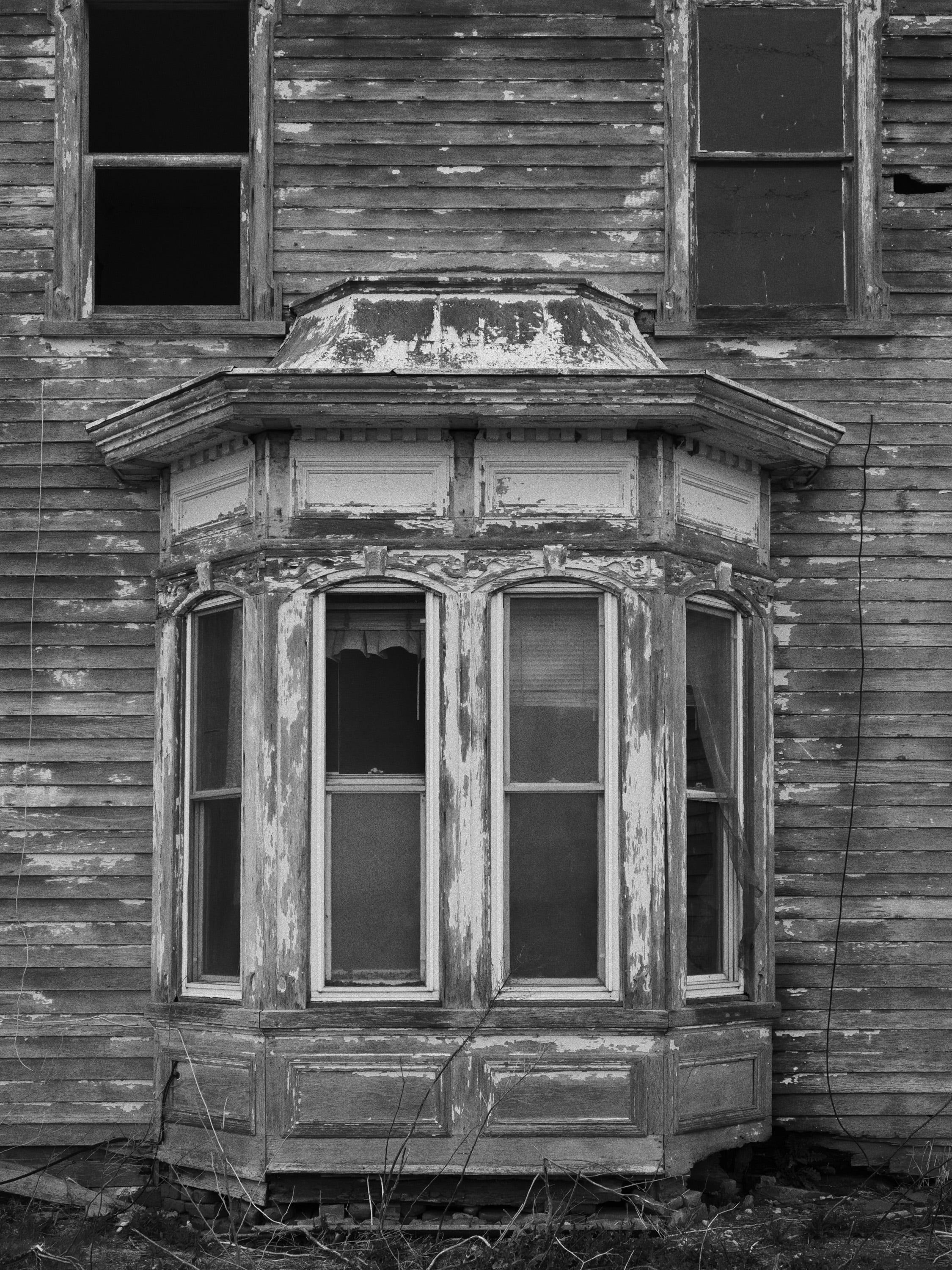
A Giant, Awesome Home
I asked a different local about this home (located just beyond Corning), but they didn’t know much about it, and I couldn’t find much online.
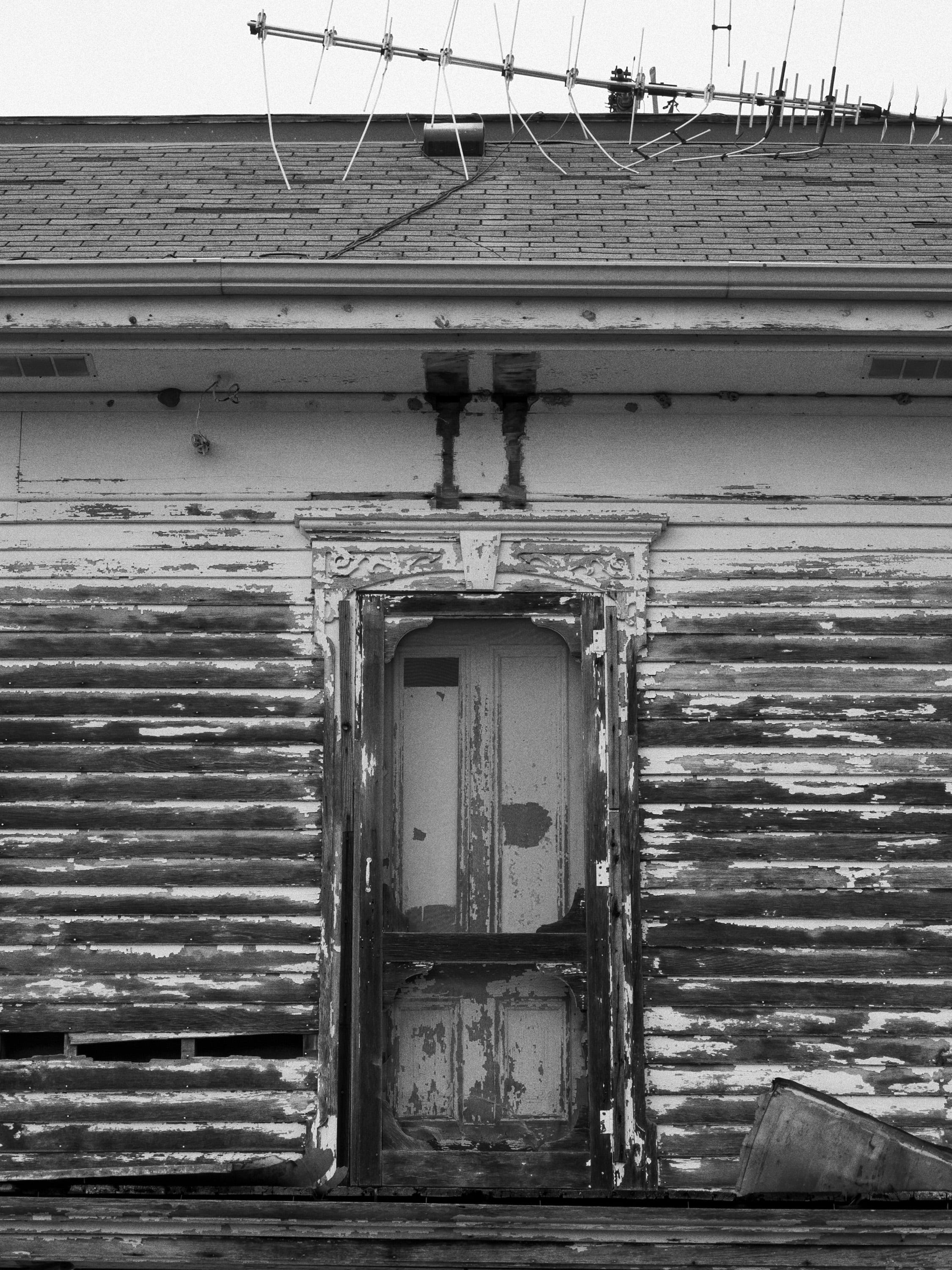
ANOTHER One-Room Schoolhouse:
Just down the road, AGAIN: more artifacts from the past.
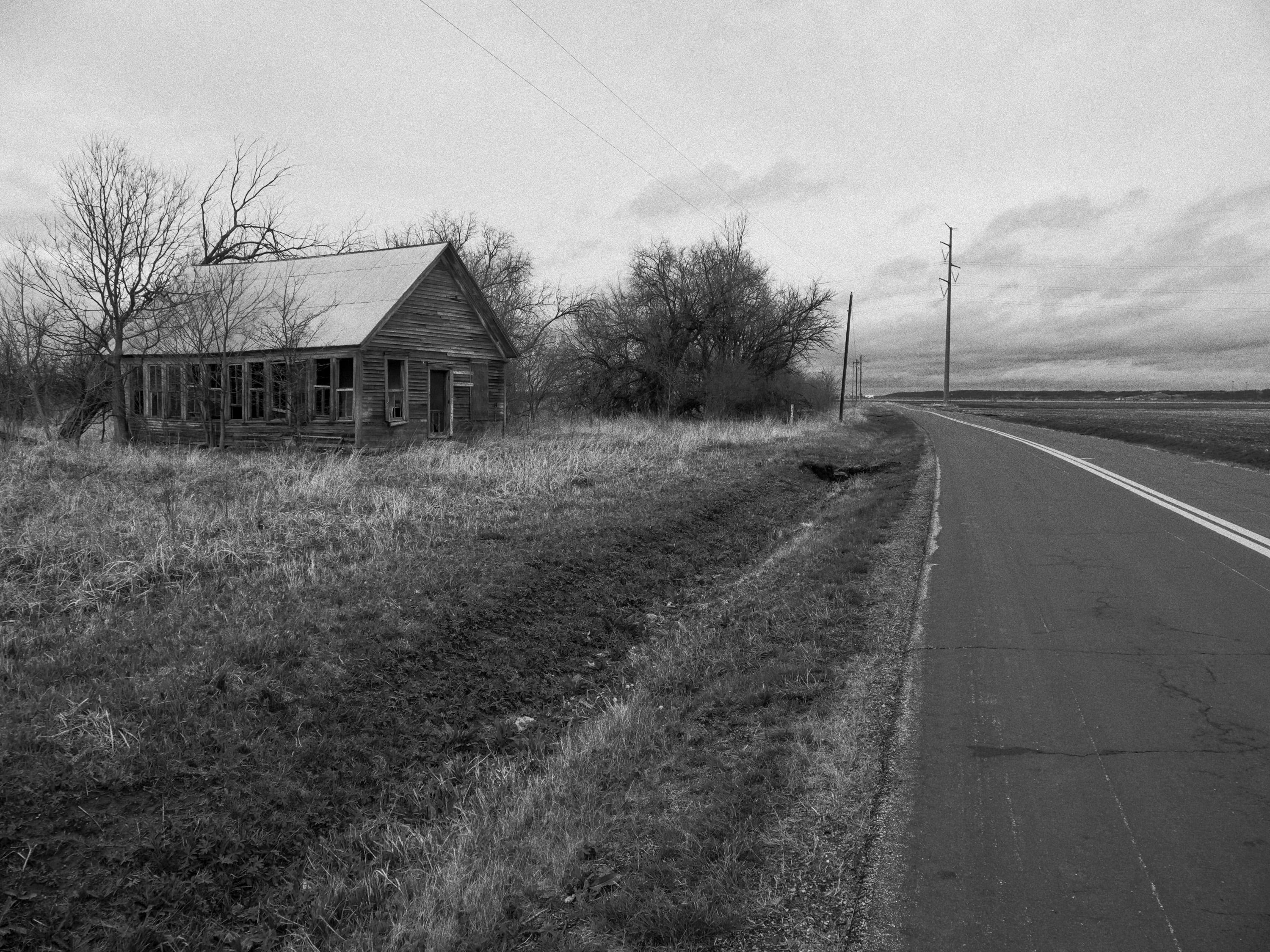
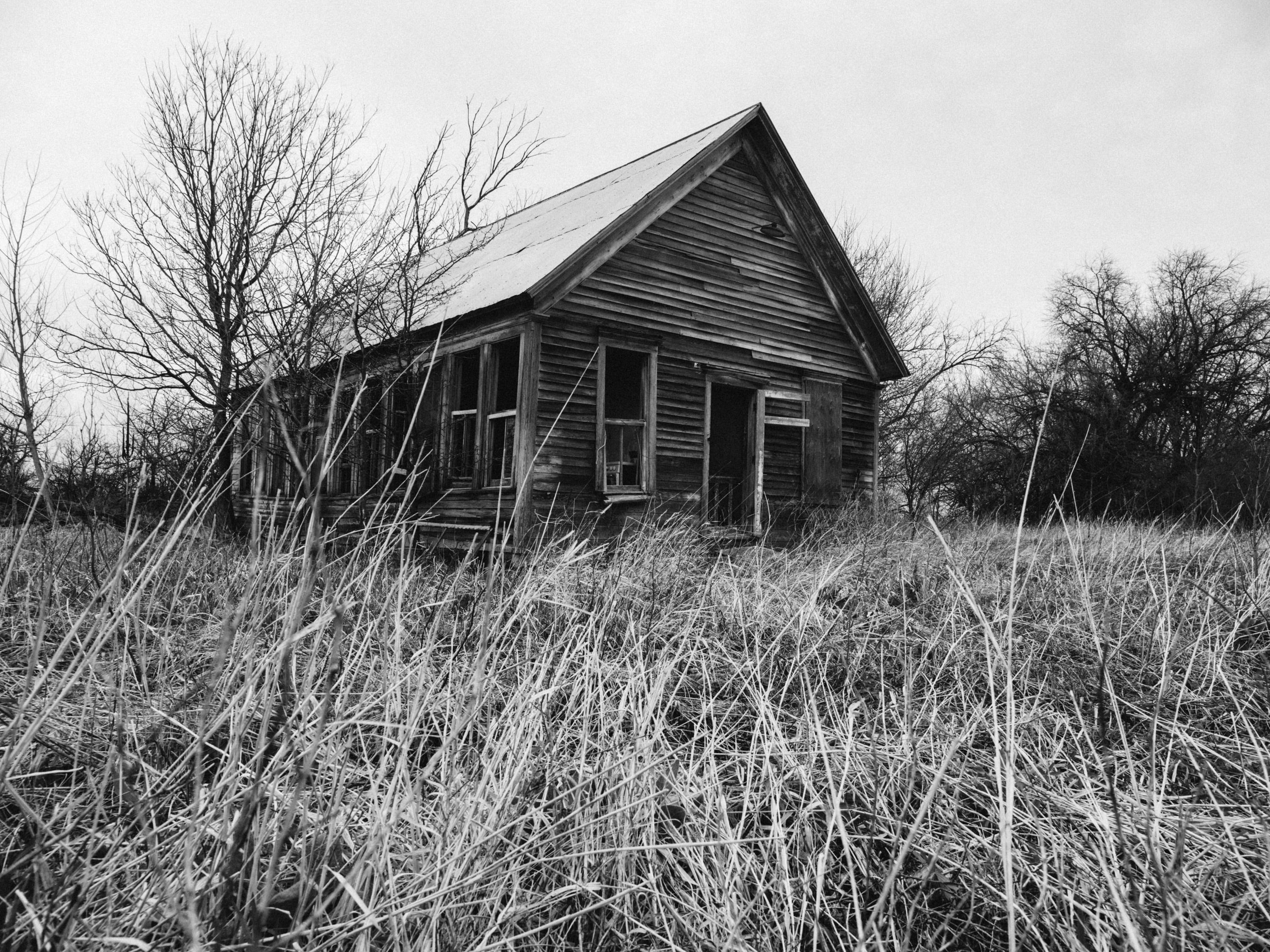
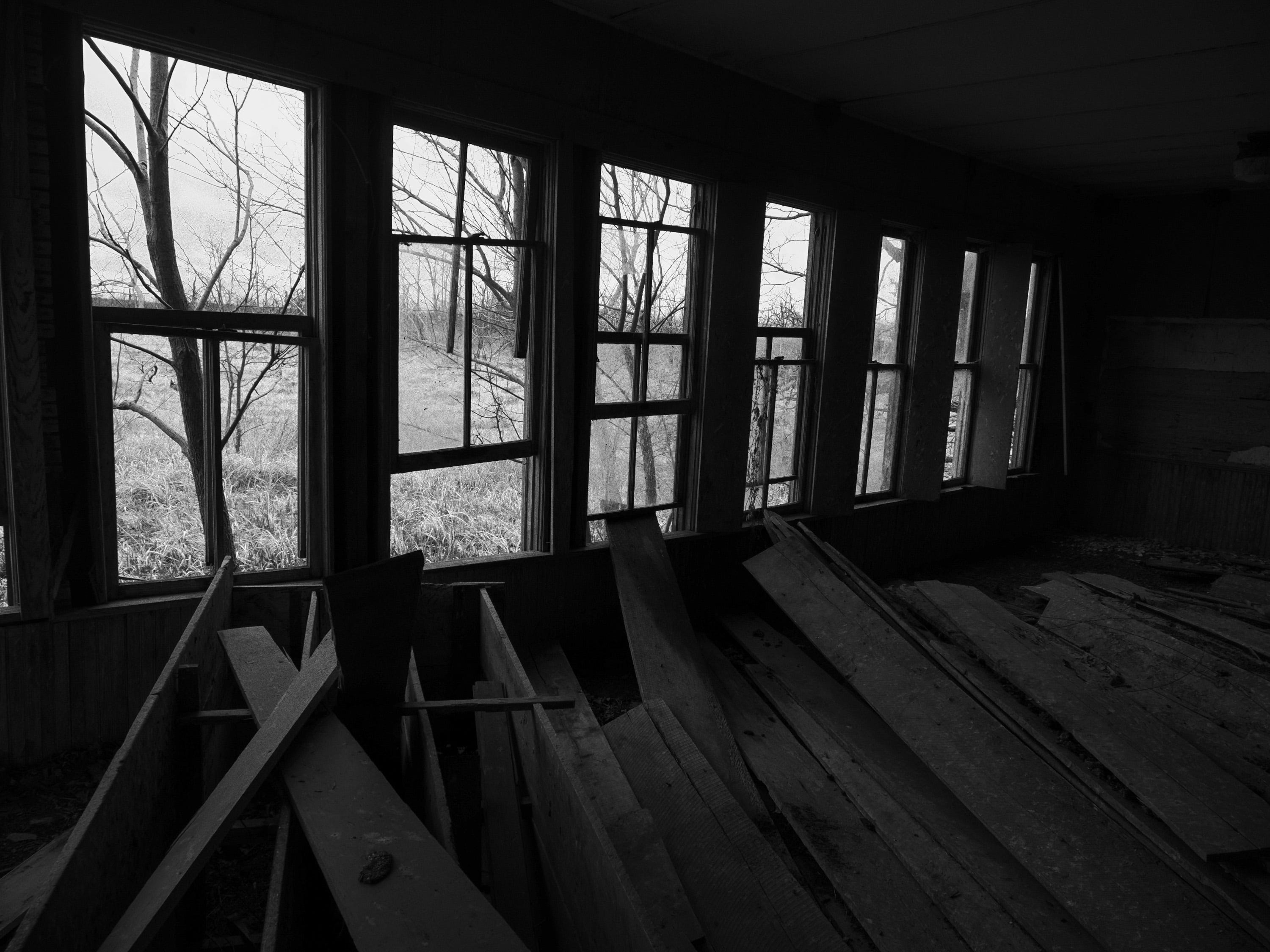
I call this one “F SCHOOL!”
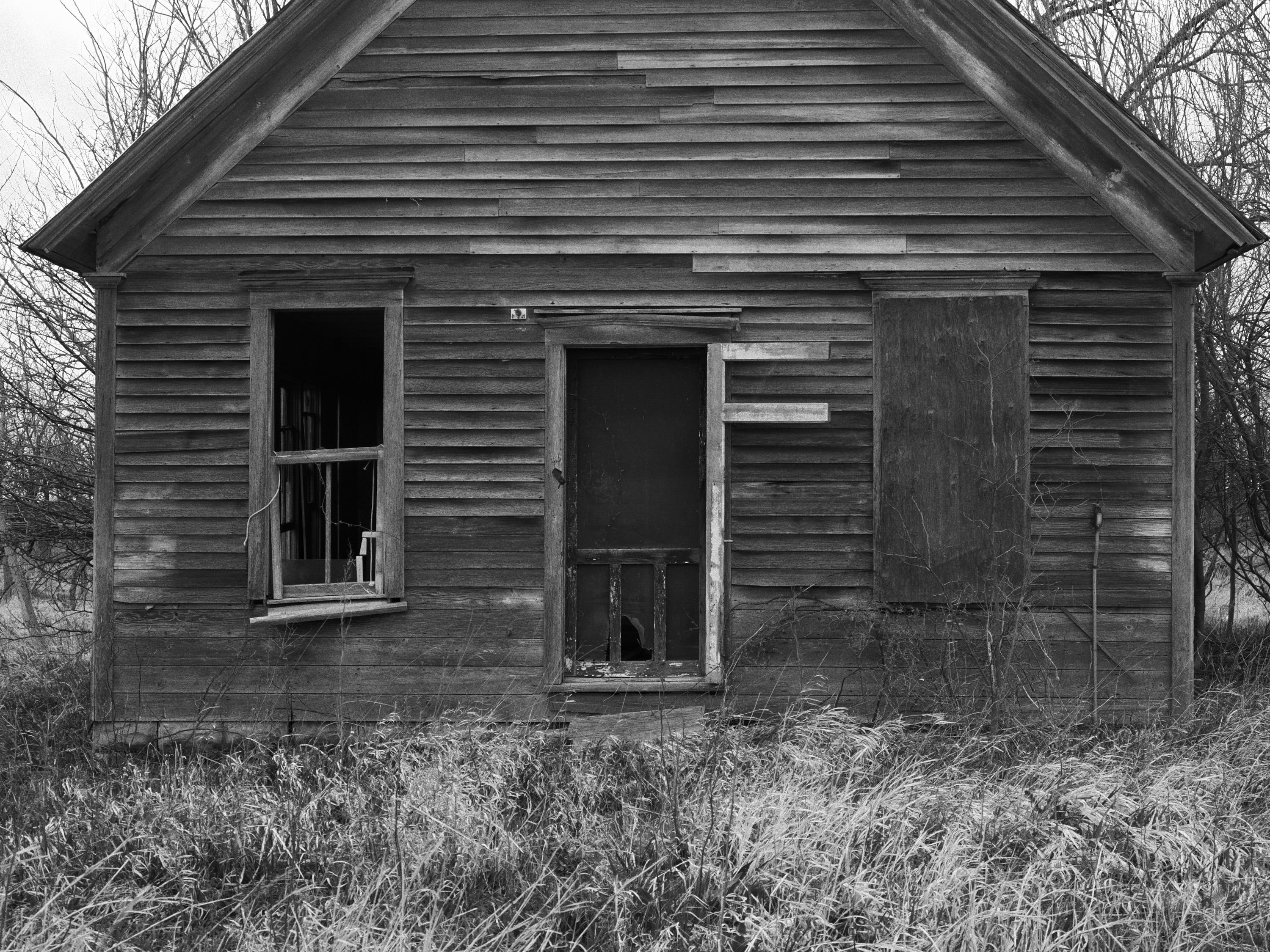
Not much left behind except an exceptionally-colored retro stove and the old fridge.



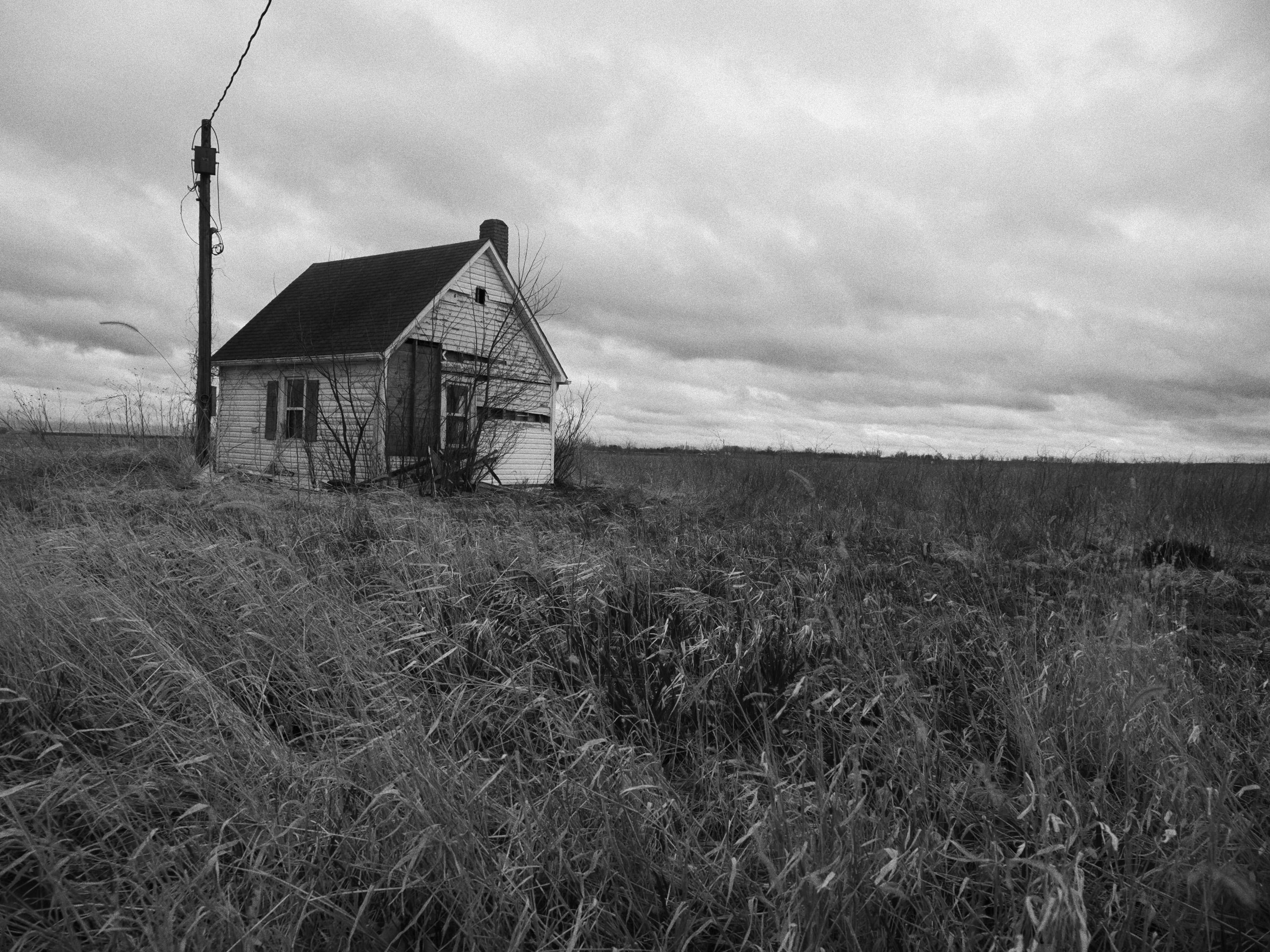
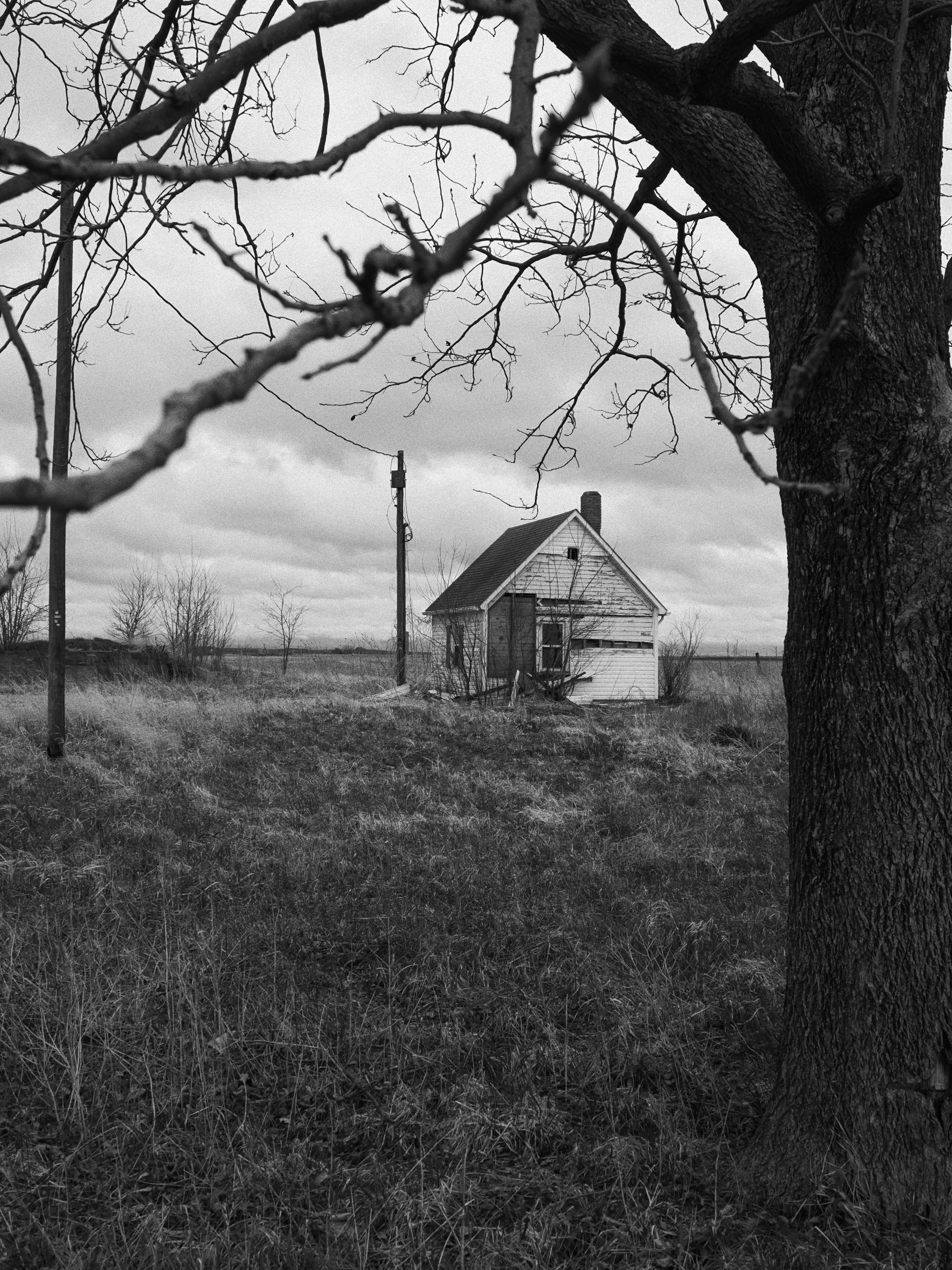
SHELTER:
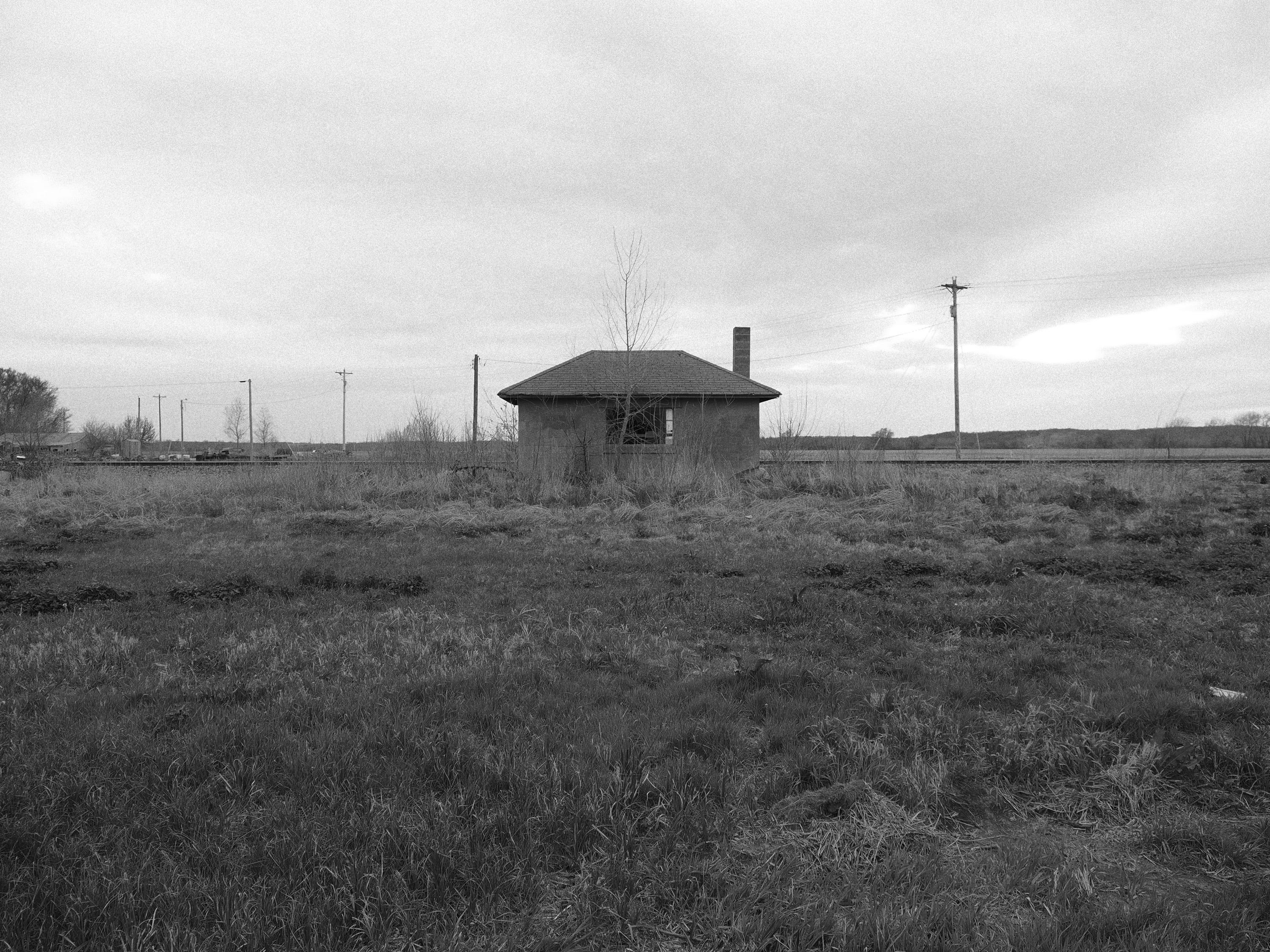
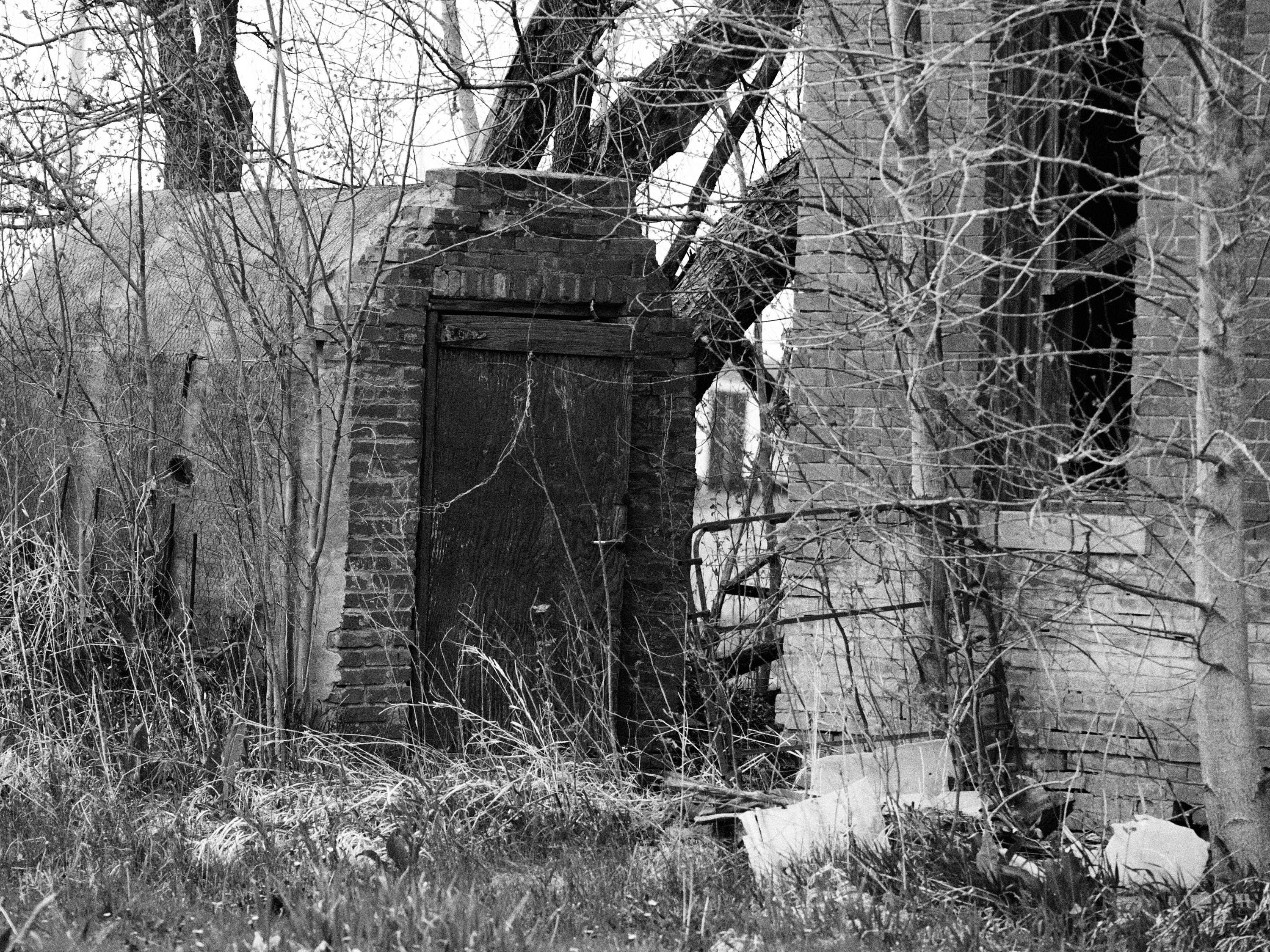
If this is a house, it’s one of the smallest I’ve ever seen. The midwest is famous for a lot of very small houses (that often housed large families), but this? This is way too small to feel like any traditional home. Maybe a temporary place for the railroad? I’m not sure.
Like many places here, tornadoes are also a factor to consider, making storm shelters like this fairly common.
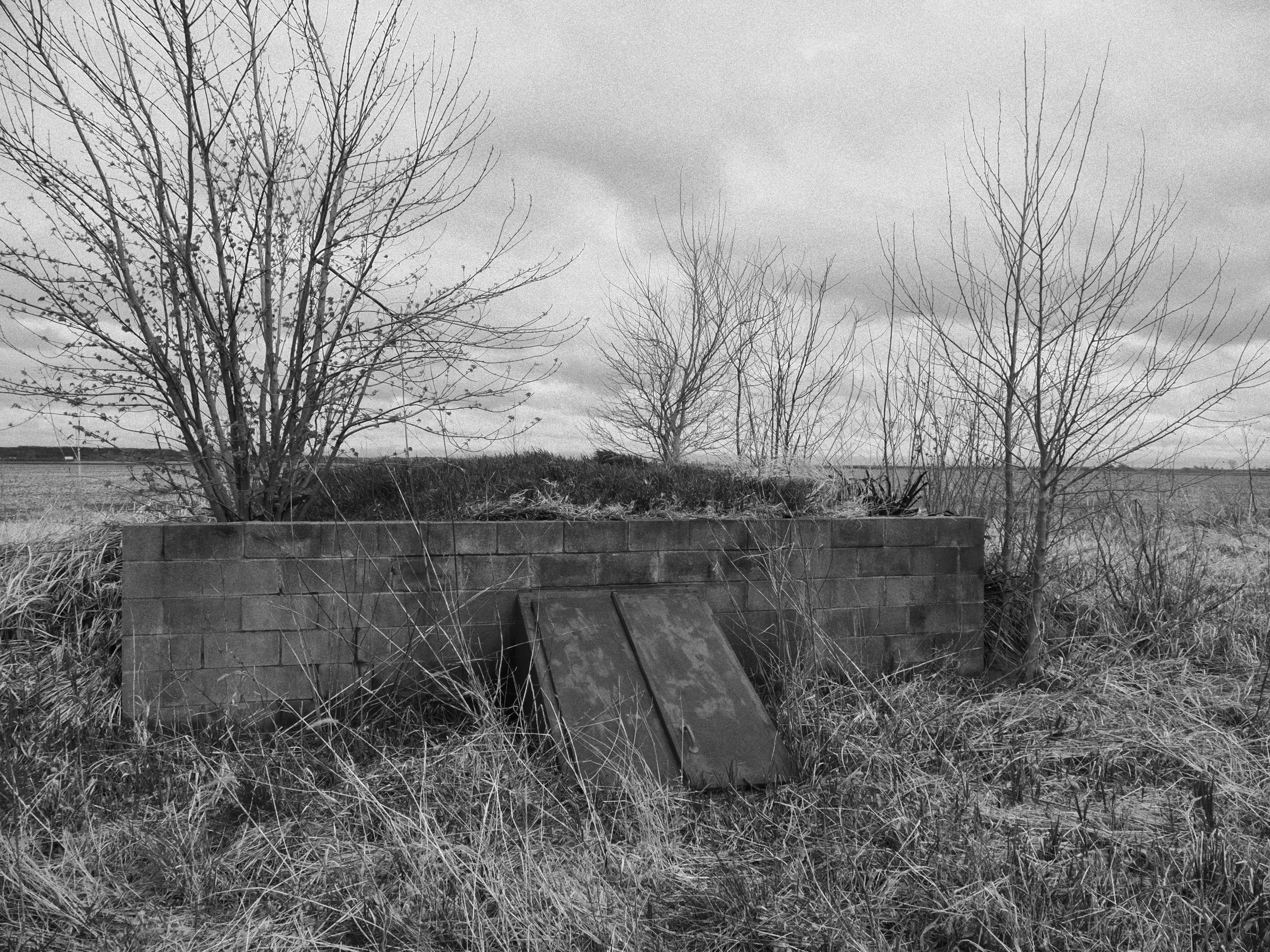

(At least I hope it’s a storm shelter and not home to a monster of unimaginable Lovecraftian horror.)

This place takes center stage in my half-truth-half-fiction video I made about the town:
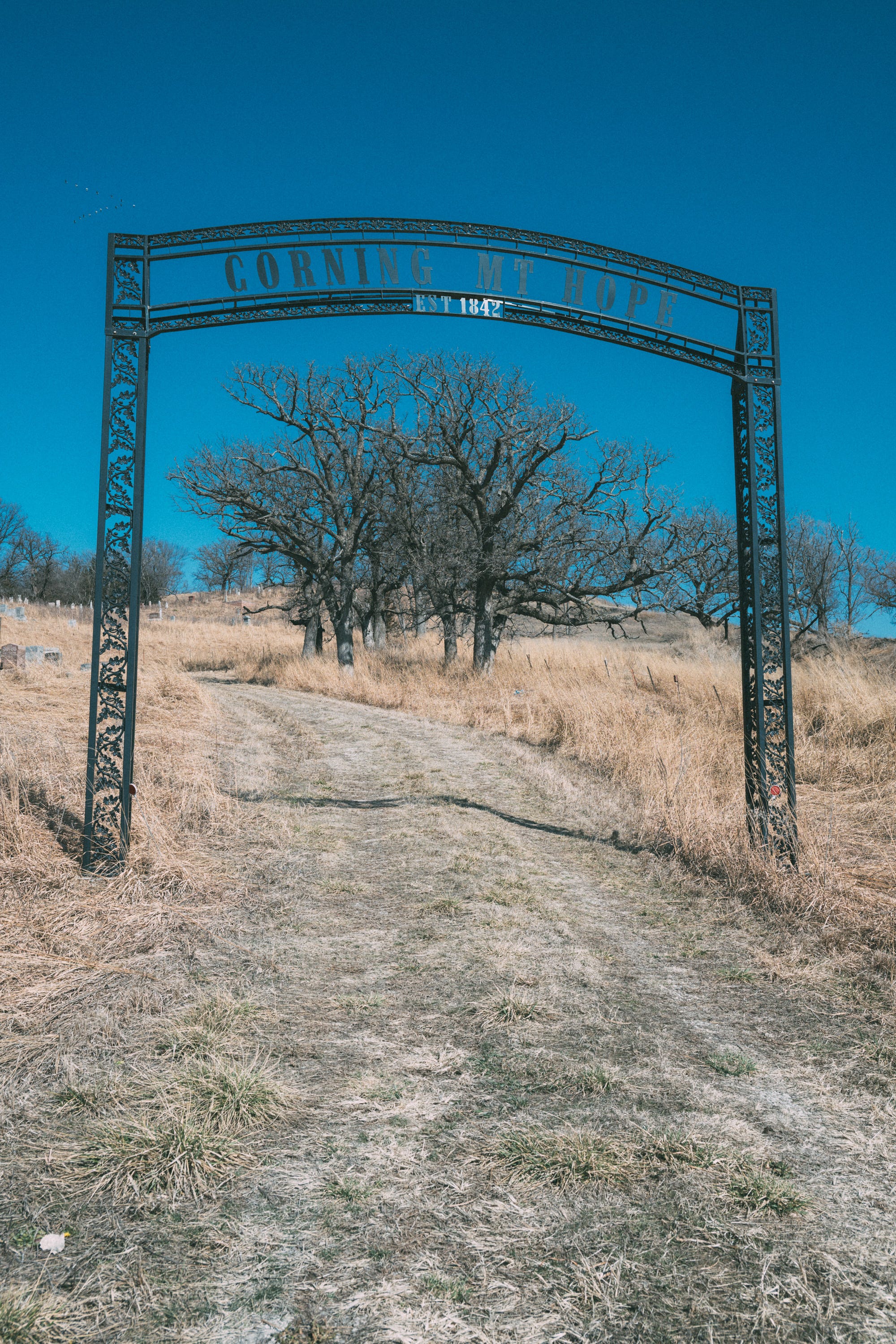
Mt. Hope Cemetery
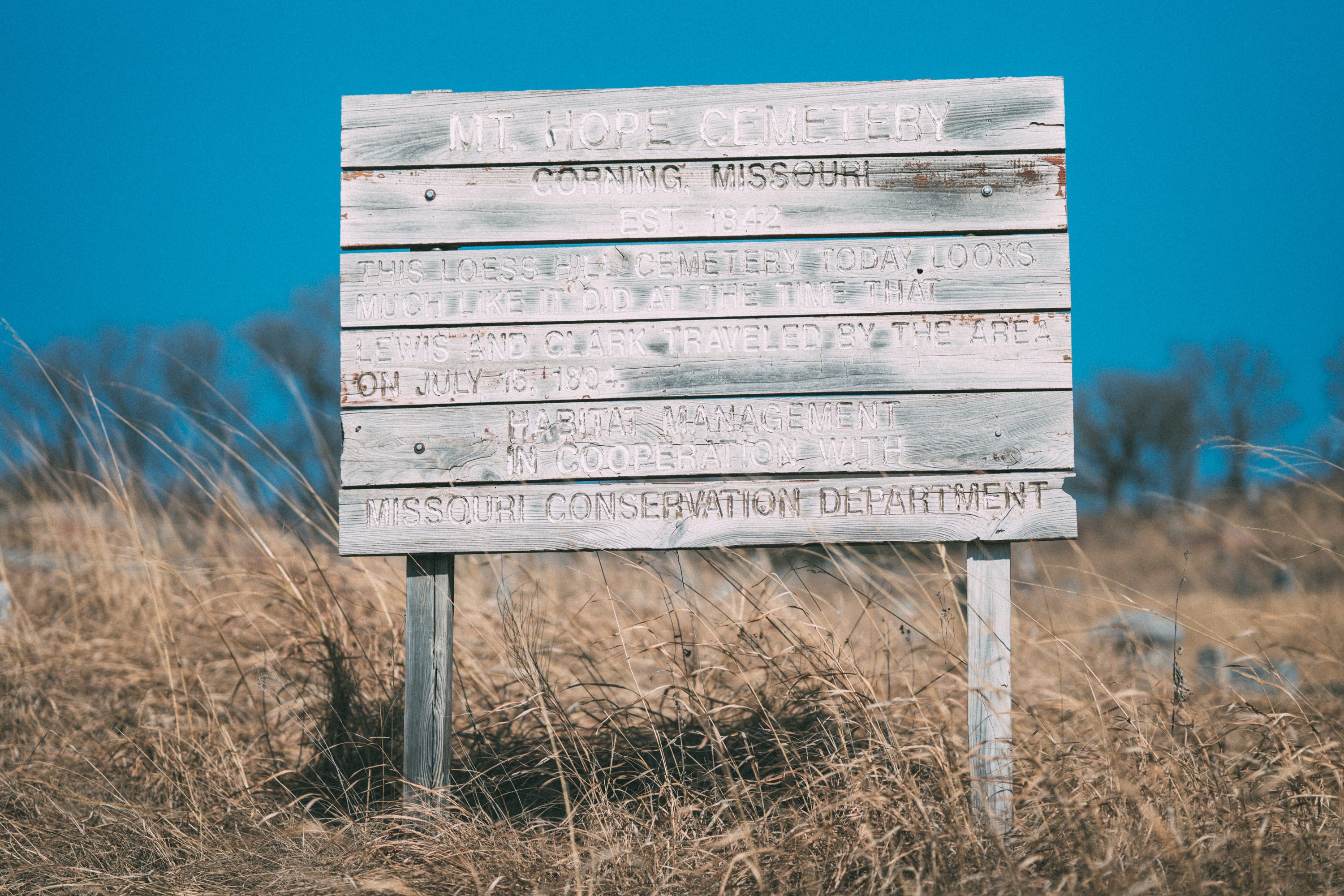
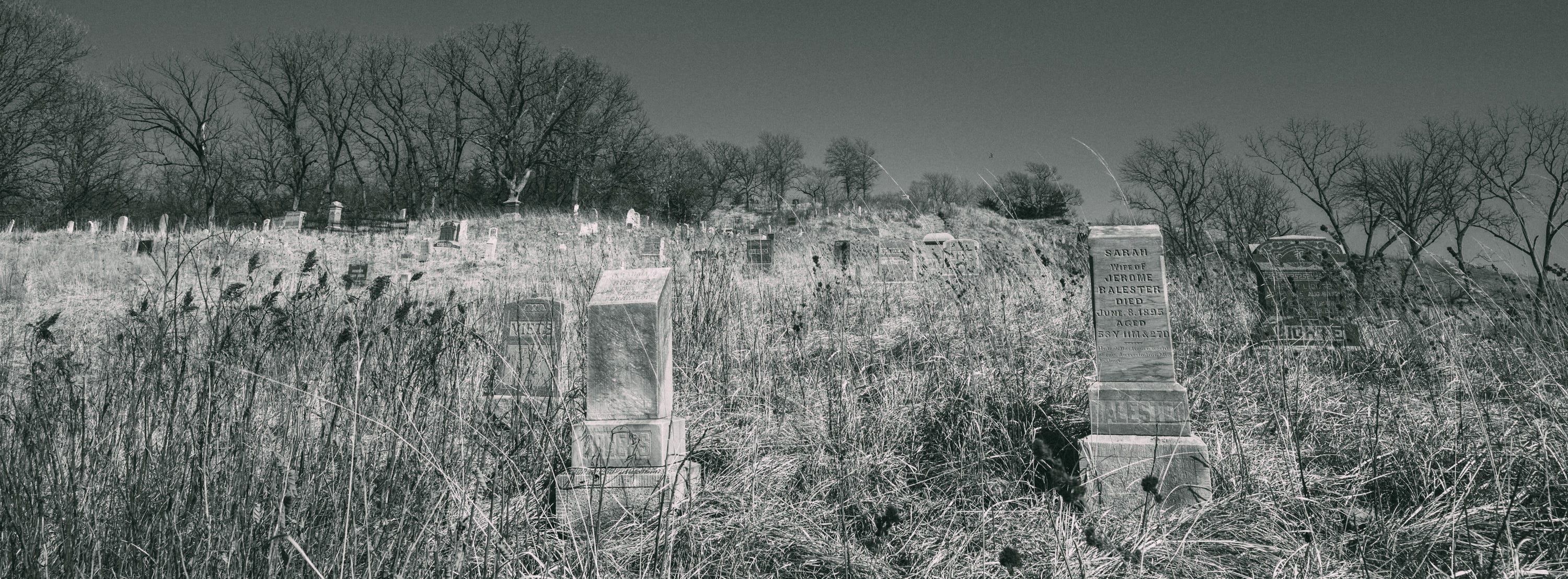
Not far from Corning is the cemetery, built on a hill to avoid the flooding.
Allegedly, Lewis and Clark traveled by the area, but pretty much EVERYWHERE in the midwest makes the same claim.


P.S. - If you’re getting this, you’re probably already subscribed to my newsletter, but please share this with any photography enthusiasts who are looking for inspiration, tips and a positive photo community (no judgement here)!
And as always, send me any questions you have or topics you’d like to see me cover in upcoming newsletters or YouTube videos (you can subscribe here).
More than anything, even if you don’t purchase a print, subscribing to my YouTube channel, watching some videos, and leaving me a comment about what you think is a great, free, way to support me!
Comments? Leave them below or email me: jerredz@gmail.com
The snaps with the pink appliances and green walls are 🤩.
Fascinating