

I need you to understand something: there is no one like Kurt Johnson.
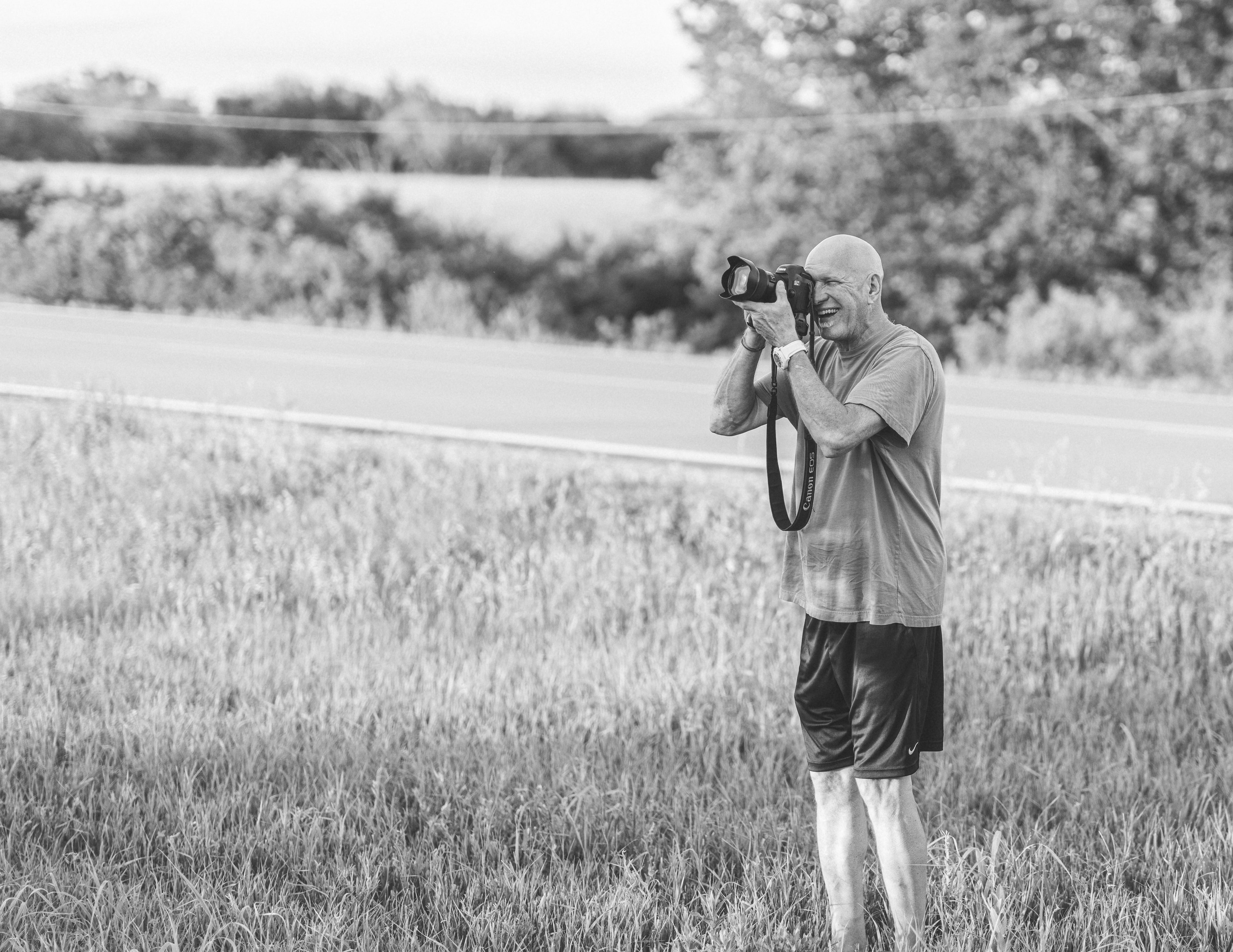
Think of the most upbeat, positive, uplifting, soulful, talkative, helpful, giving person you know.
That’s Kurt, but Kurt’s probably taller.
Kurt is many things for me. A mentor. A brother. A shoulder to cry on.
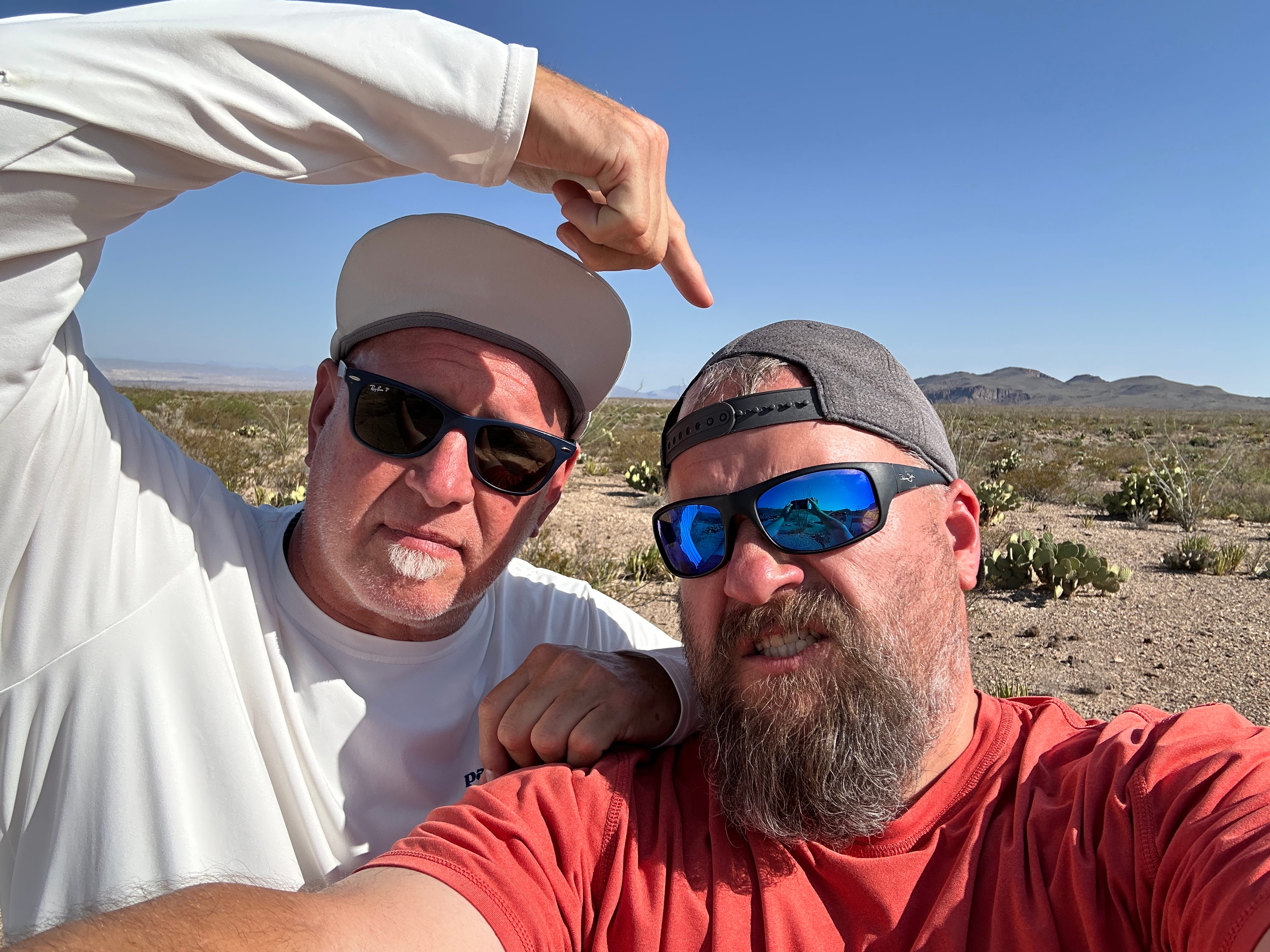
He’s also an inspiration. He’s never really had any other job than photography and proves that hard work, kindness and stubbornness are keys to success. He’s been all over the world, shot film and video for high-end magazines and television shows, and is the most accomplished photographer I know… but he seeks no glory.
More photographers need to know him because his new monochrome work is, in my humble opinion, the best stuff he’s ever done. And that’s nuts because he’s always taken killer photographs!
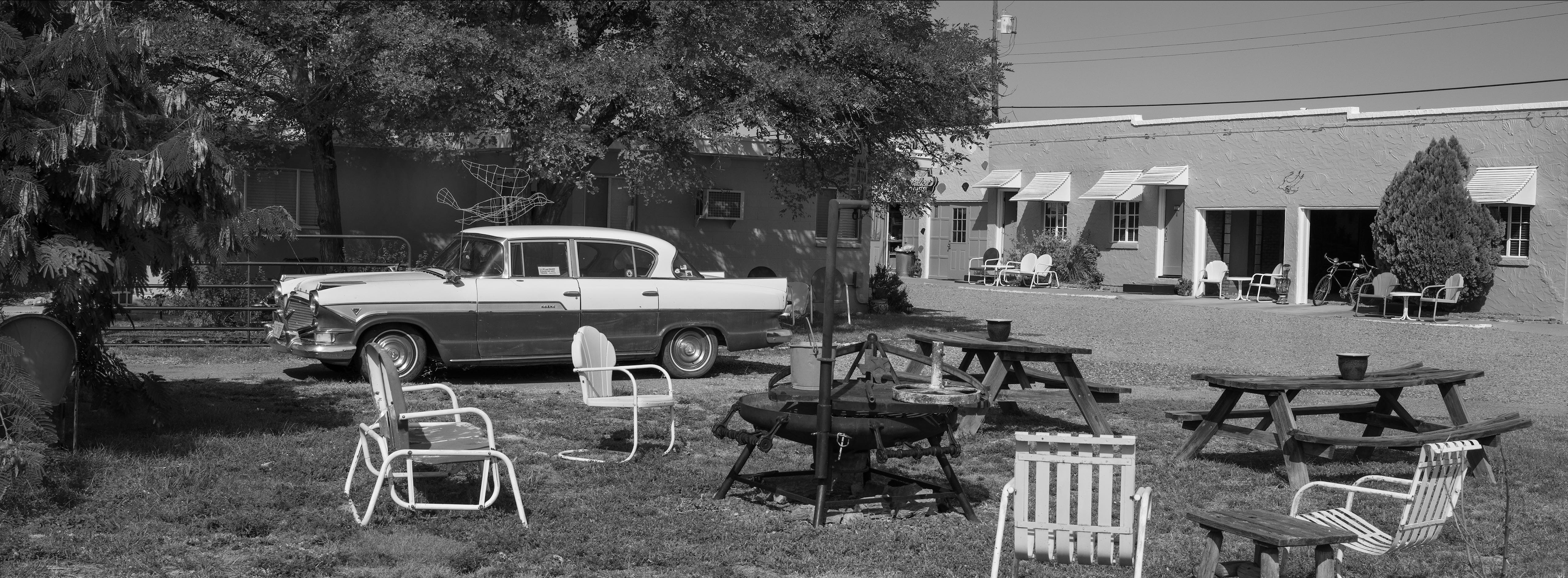
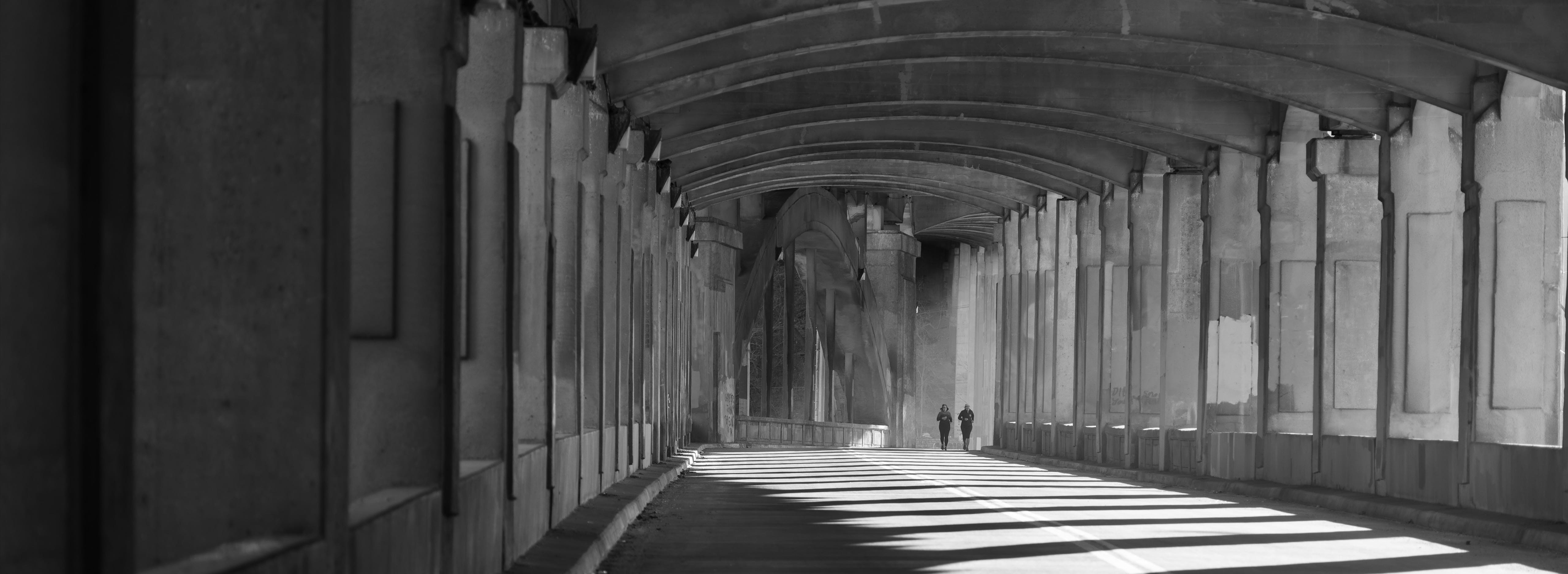
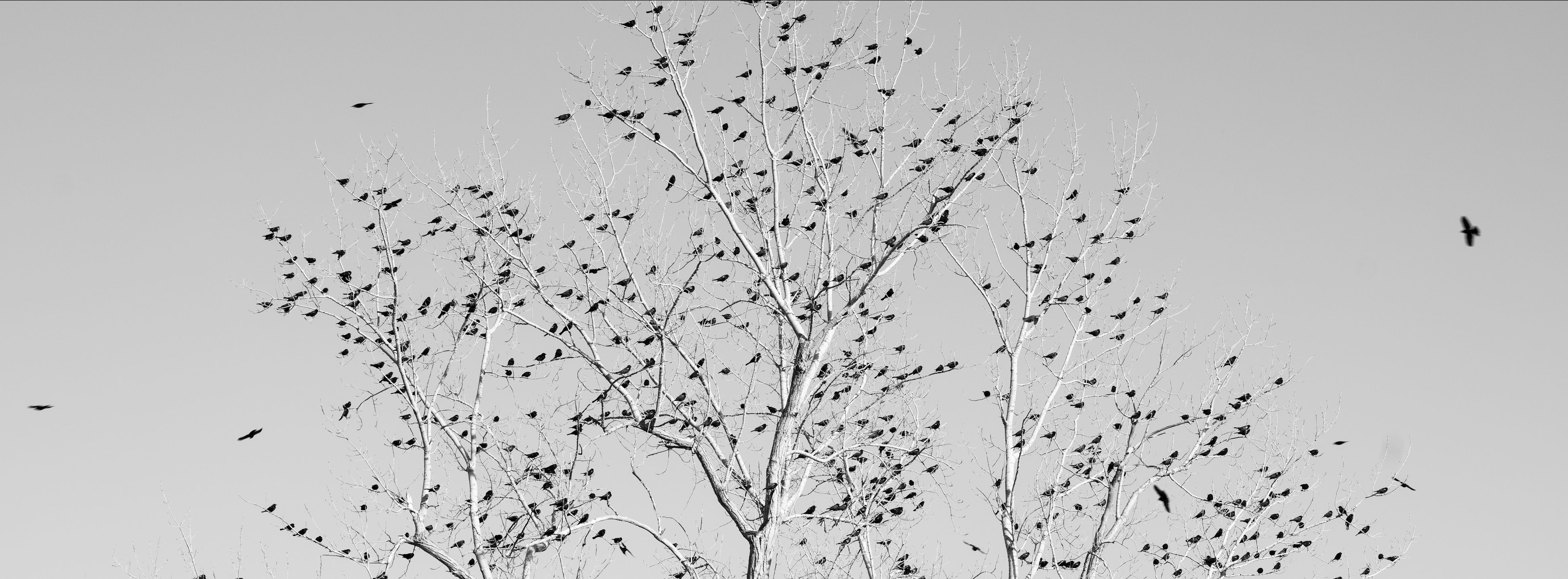
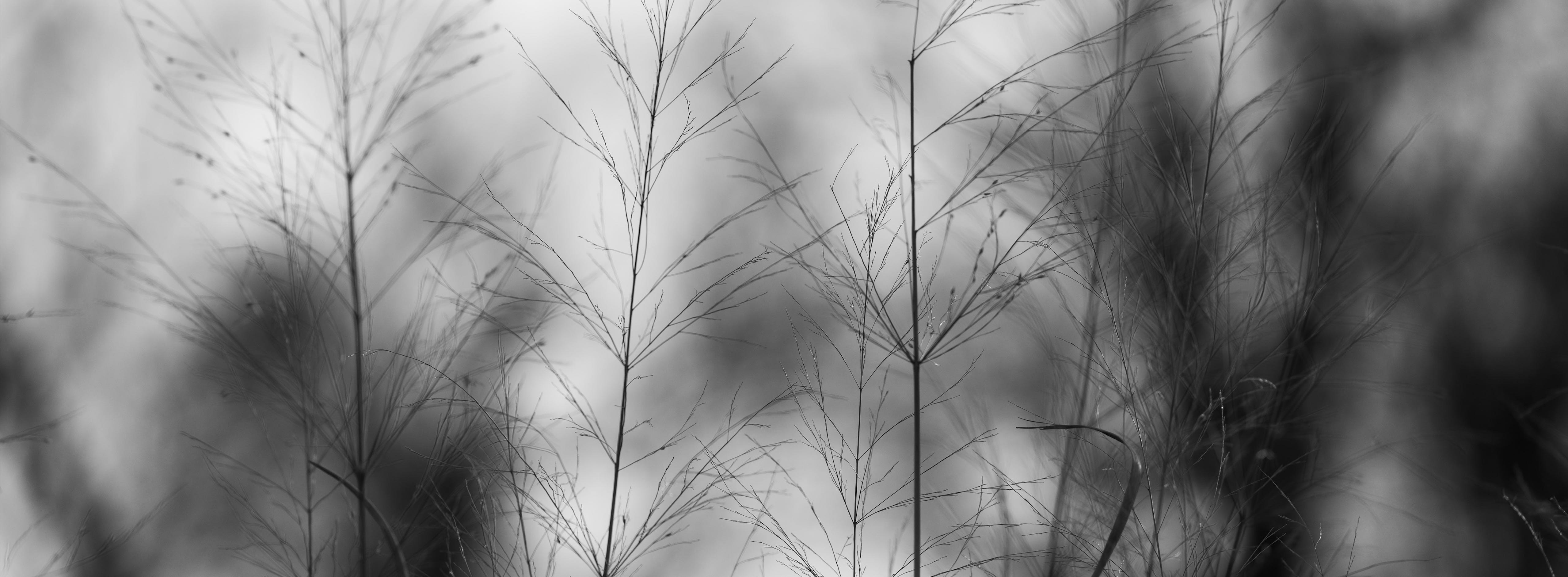
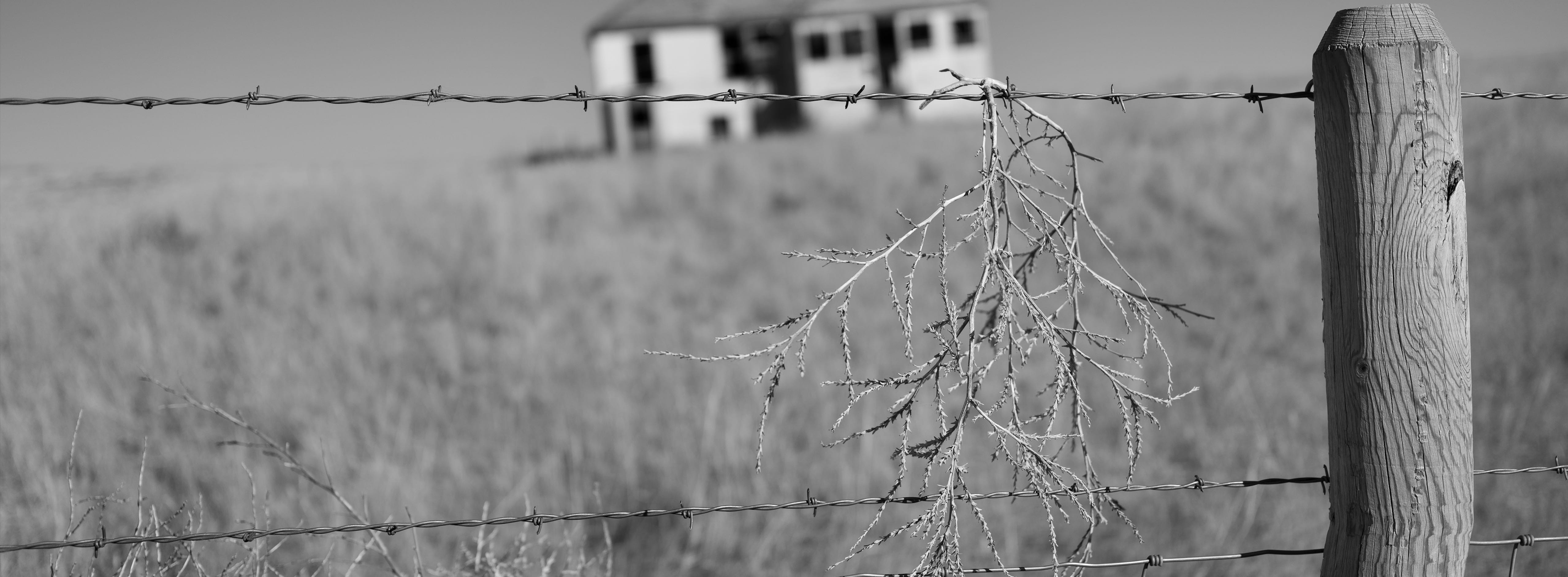
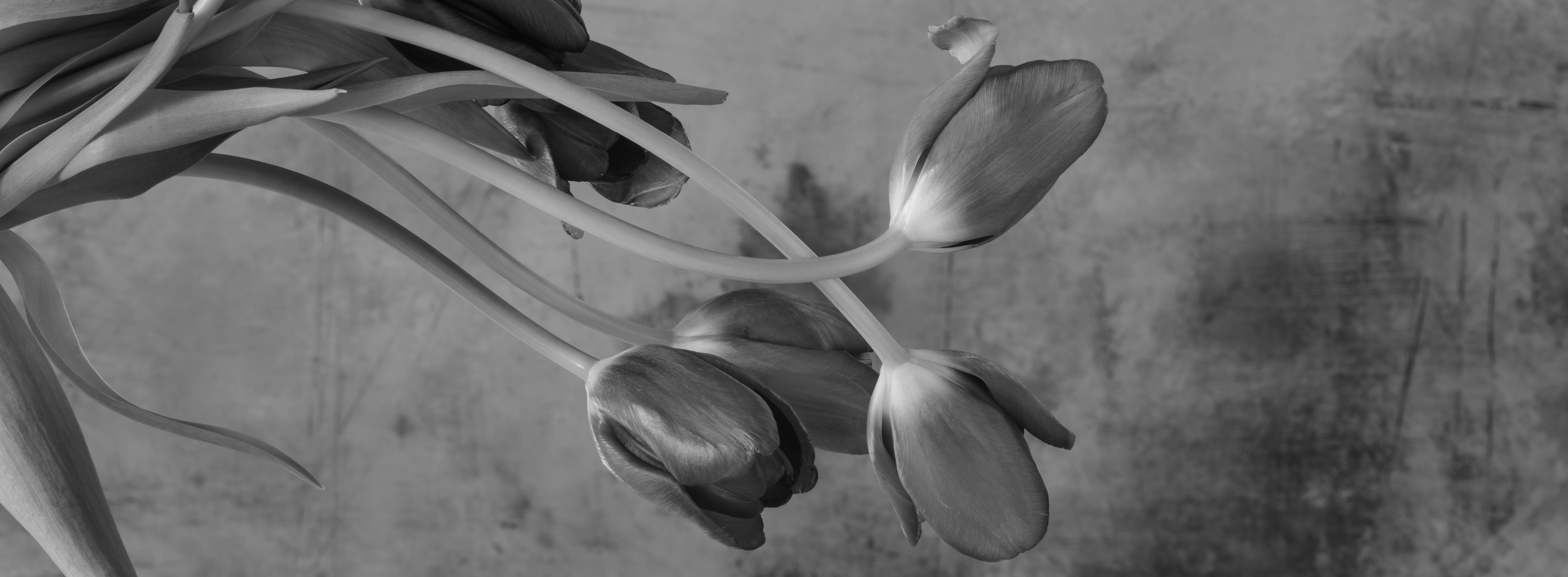
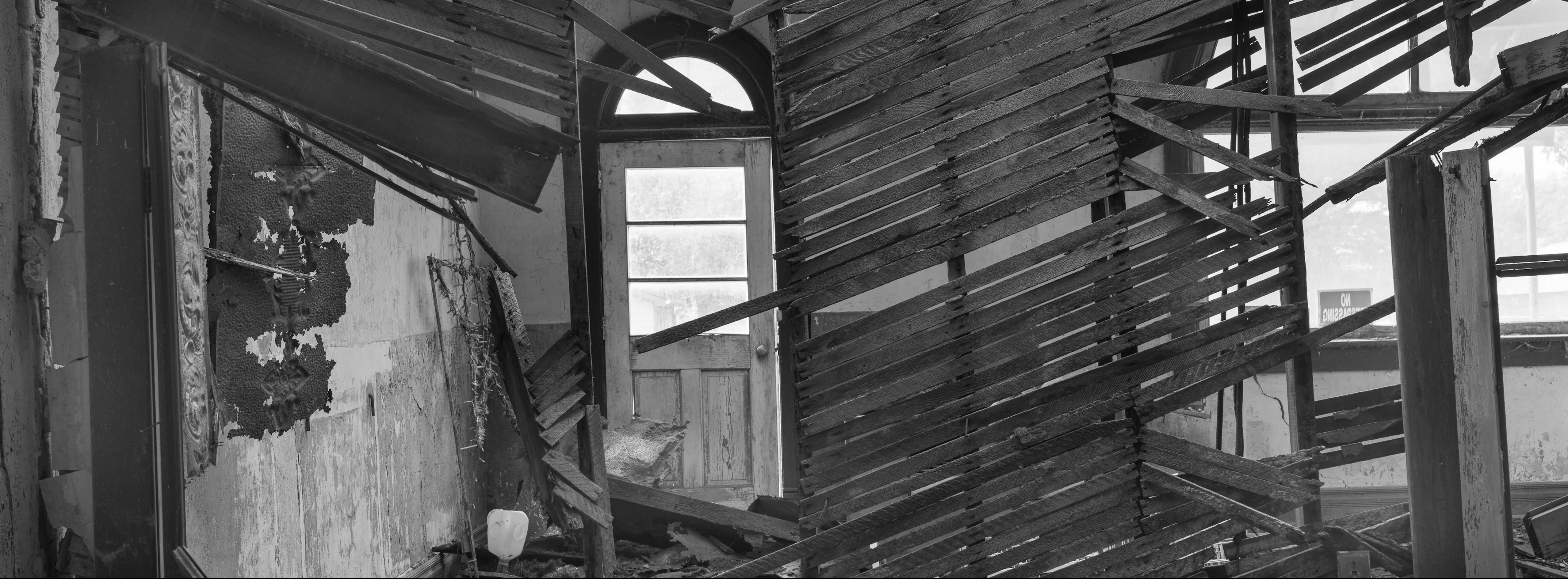
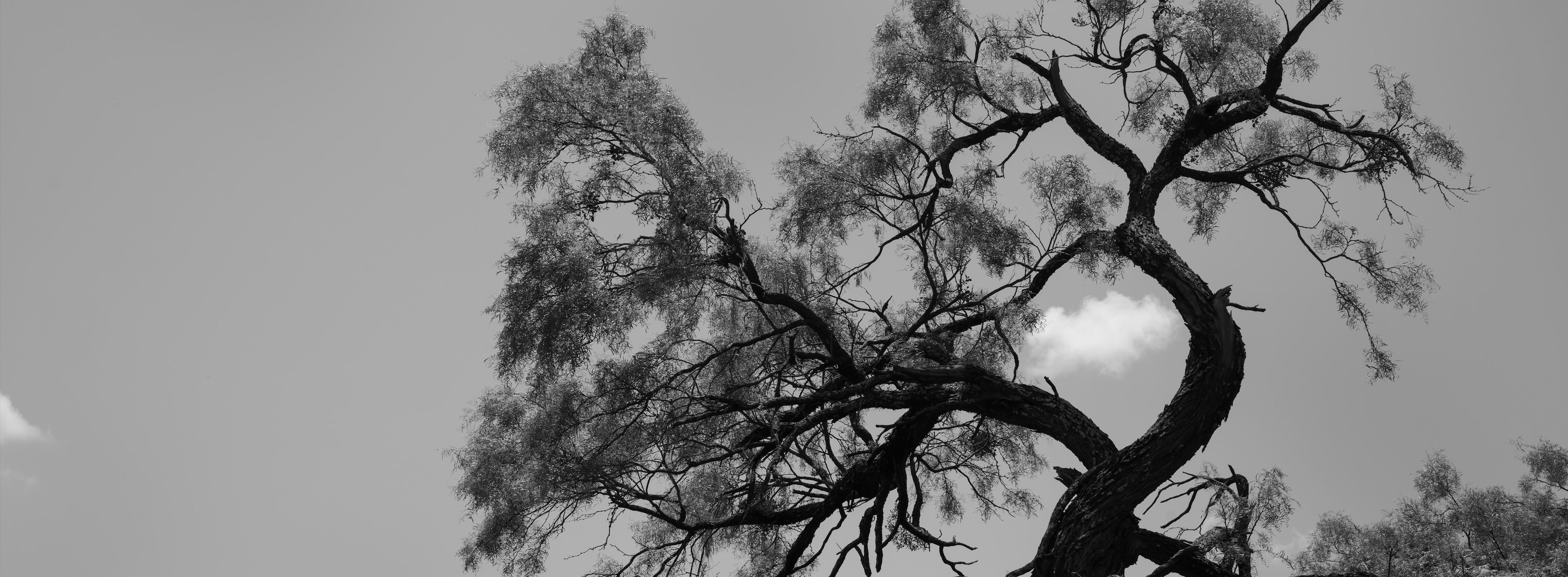
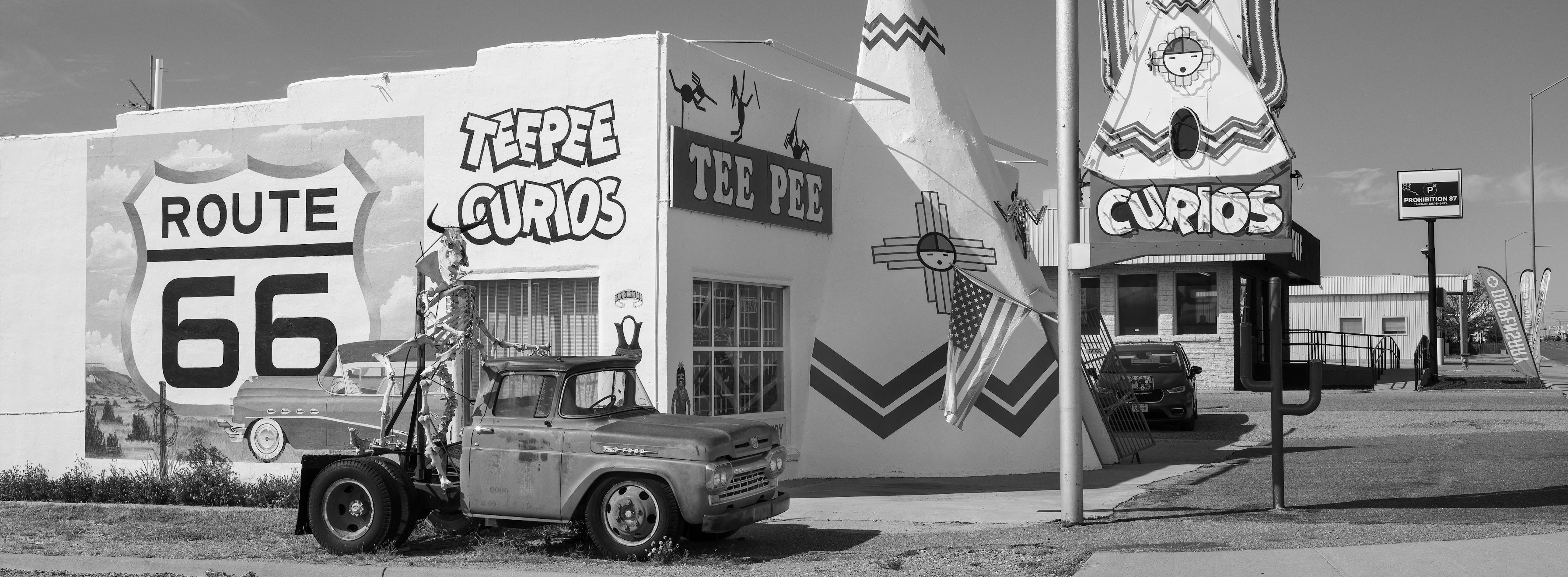
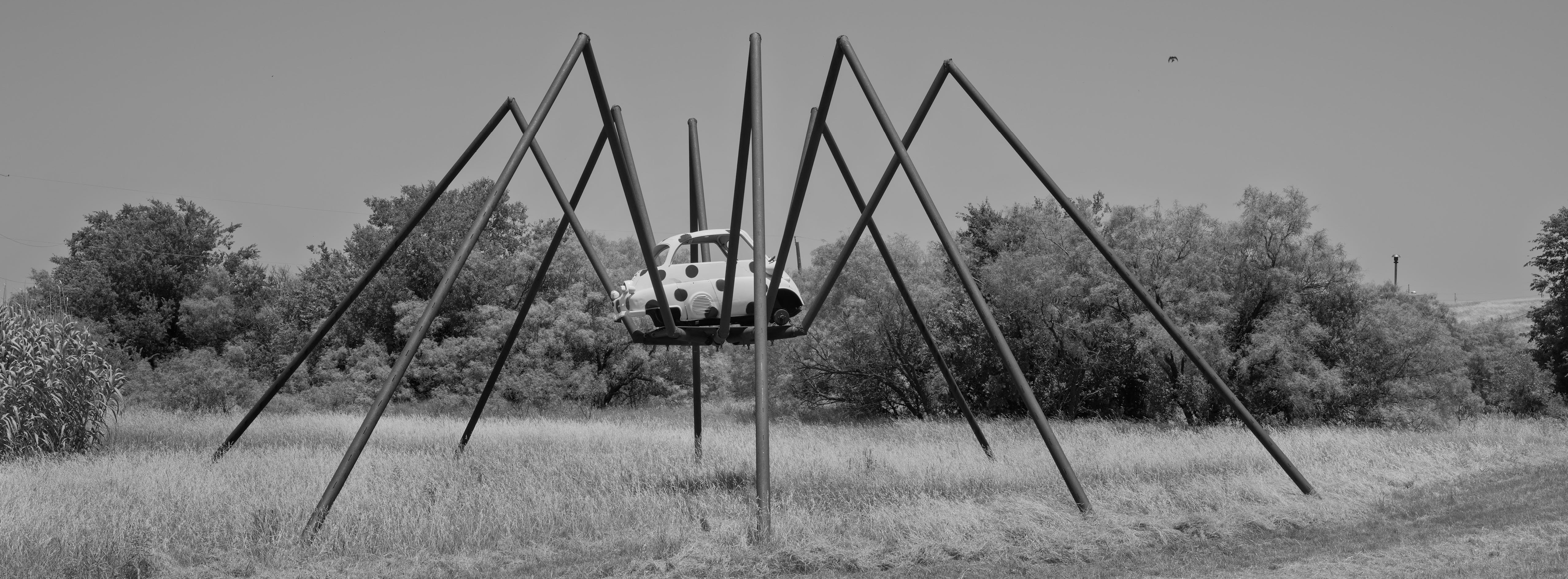
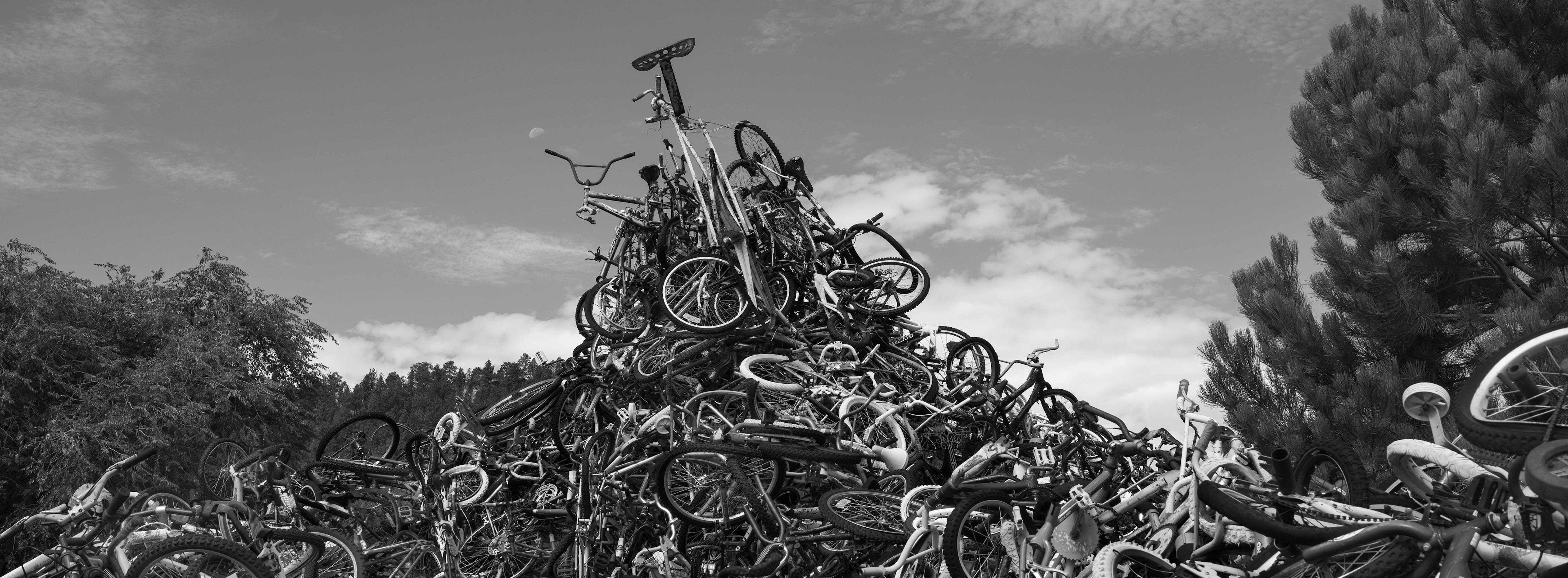
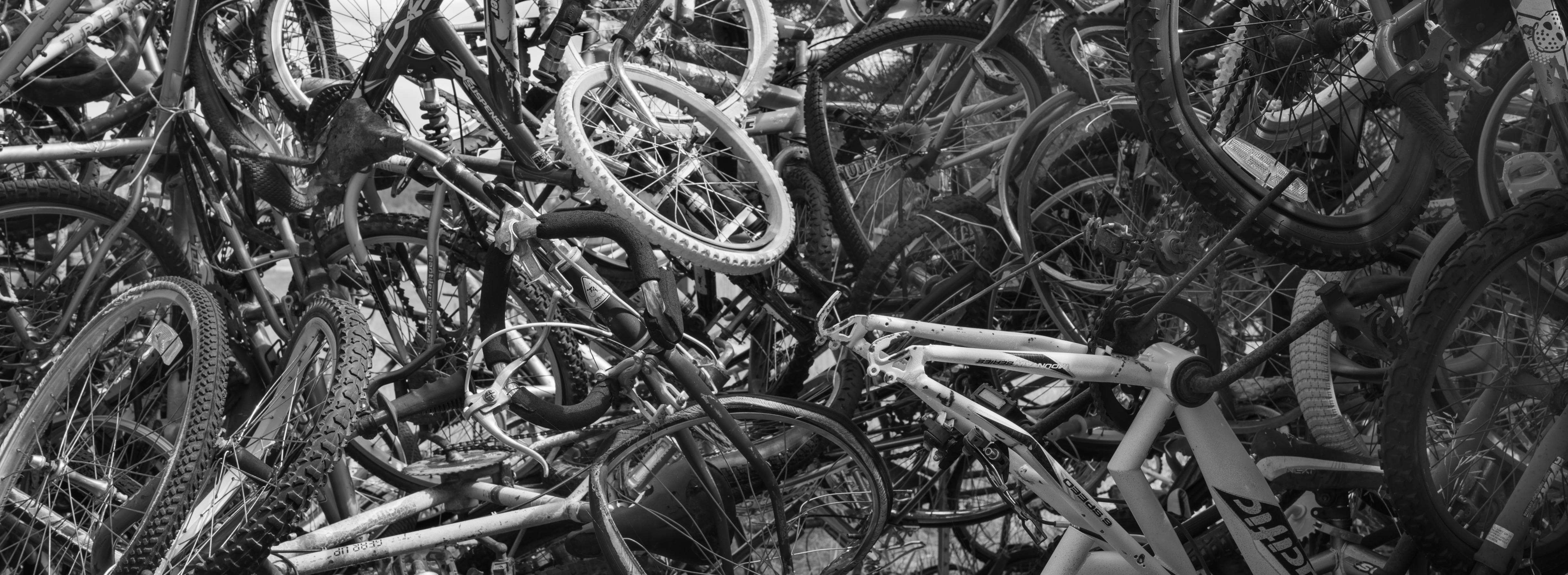
His 65x24 (X-Pan) monochrome photos are a culmination of all the contrasts in the world: good and the bad, the ugly and beautiful, darkness and light. Kurt revels in the pure mystery the universe, and his photographs are tiny little slivers of truth full of clarity, humor and never-ending bright-eyed wonder.
I asked him some questions in the hope that he might inspire you even a fraction as much as he inspires me.
He changed my life by making me believe.
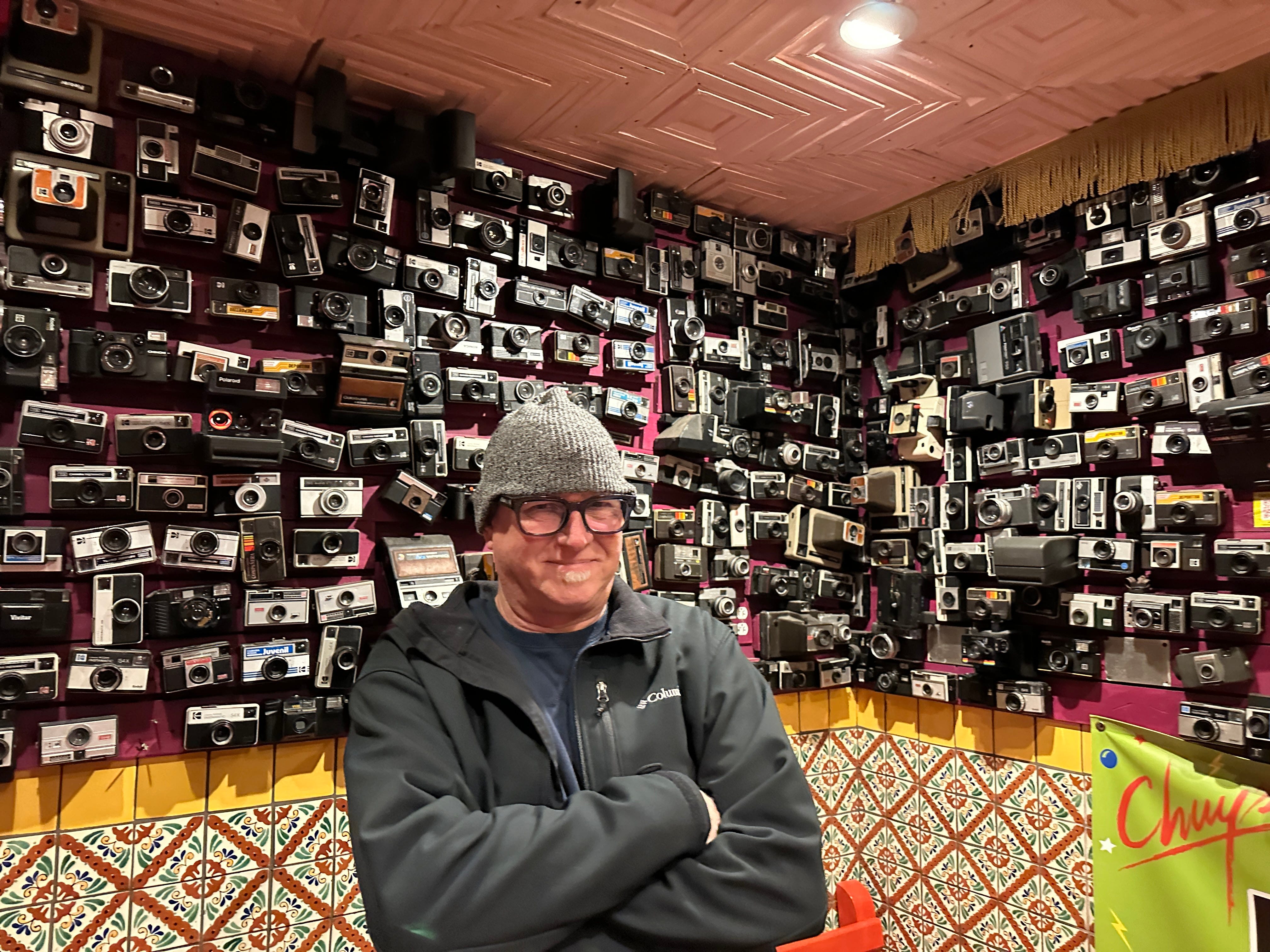
Introduce Yourself:
My body is 70 years old, but I’m about 20 years old in spirit and mind. I’ve been doing photography professionally for close to 50 years. And I would describe myself as somebody driven to keep moving forward in life, in photography, in my relationships with family and friends. I don’t like sitting still.
I’ve been reflective on all the great things that have happened to me, and that alone has guided me to where I am right now within this plateau of gratitude. I’ve pretty much lived my dream, and I don’t think many people can say that. I never forget how lucky I am.
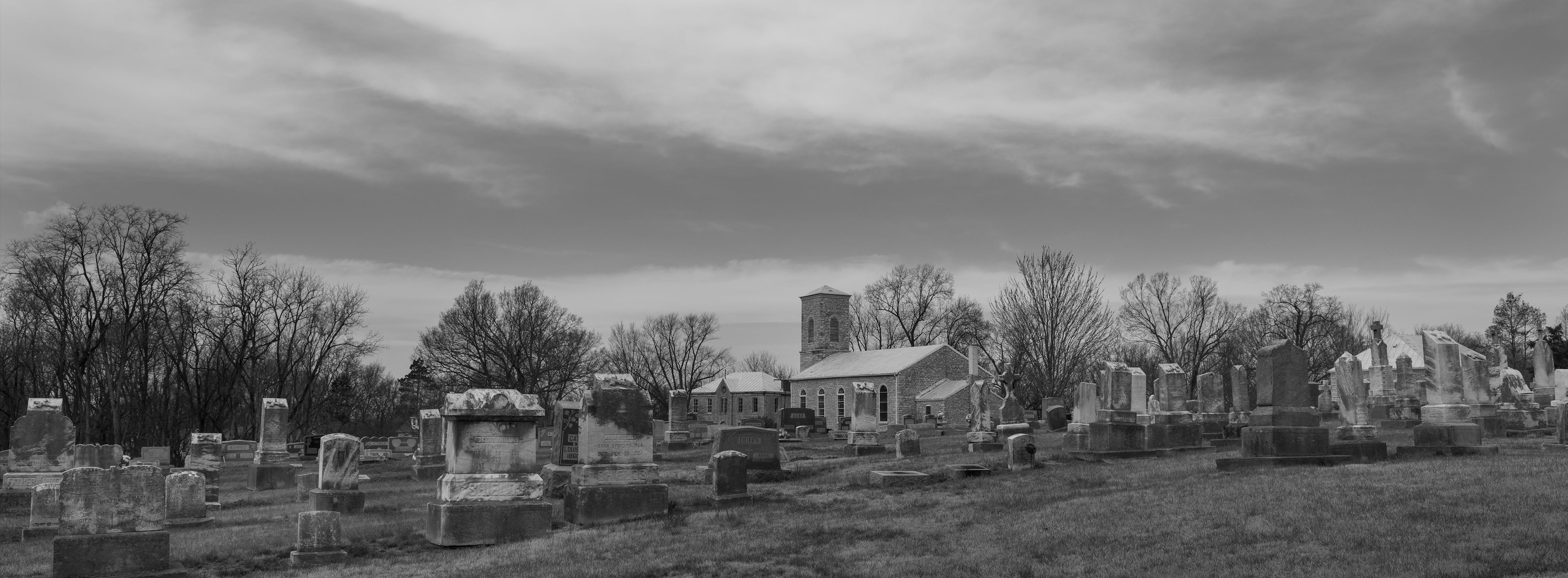
My photography in its current form is schizophrenic. By day, I’m a paid nature photographer. I provide images for healthcare facilities and hospitals around the country with beautiful nature scenes, macro shots of leaves, flowers, grasses, landscapes… all of these are very indigenous to wherever that facility is being built. I average about 100 to 115 days on the road, which has made me a much more rounded person. I’ve seen a lot of this wonderful country.
The other half of my photography is black and white. I use a single 50mm lens on a Fujifilm GFX camera with the unique 65x24 ratio.
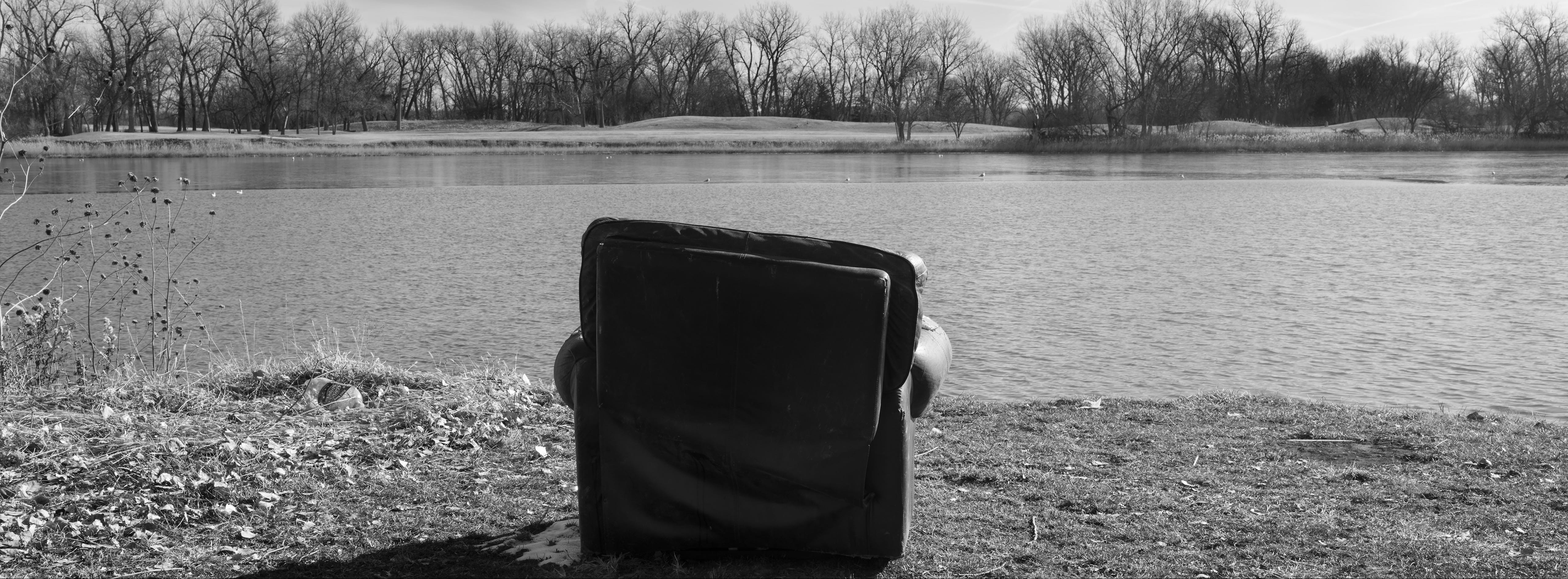
When I started out as a photojournalist a million years ago, black and white was the standard. That’s always been my upbringing… my formative years in photography.
I love the simplicity and complexity of that medium. It defines a lot of things and leaves a lot of questions. It doesn’t tell you everything. You have to want to look, research, and try to understand.
Having two separate channels of expression is pretty unique. Pretty amazing. The nuts and bolts of the business is nature photography and healthcare. But the black and white is special. A very dear brother of mine said: don’t question it, just start doing it. And that’s where we are.
What kind of photographer are you?
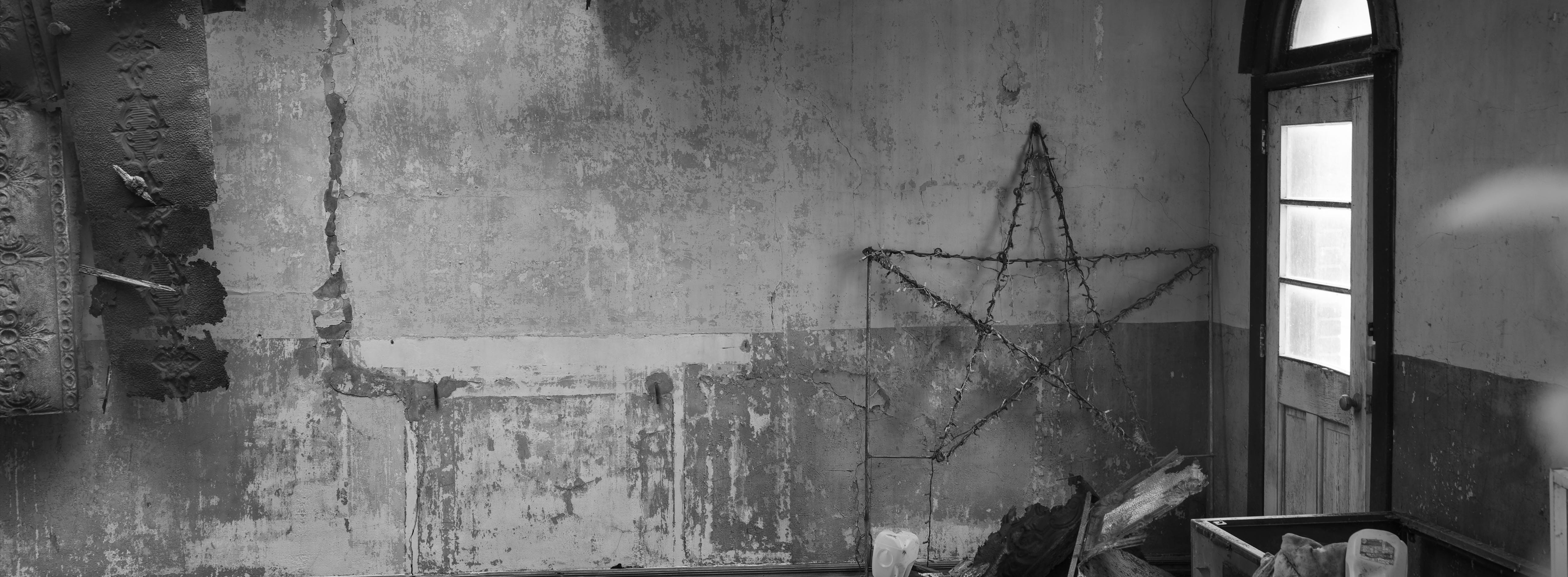
Adventurous. Explorative. Free. Unbridled. I think I’ve reverted back to a beautiful, non-judgmental, primitive state. I’m just walking around with a camera I love, in a format I love, in black and white, which is in my blood. Absolute freedom.
I’m making it as simple as possible. No barriers, no obstacles. I just want to go press the button.
I would consider myself a free-rambling man with a camera. If something looks interesting, I’m going to take a picture of it.
What are you trying to accomplish?
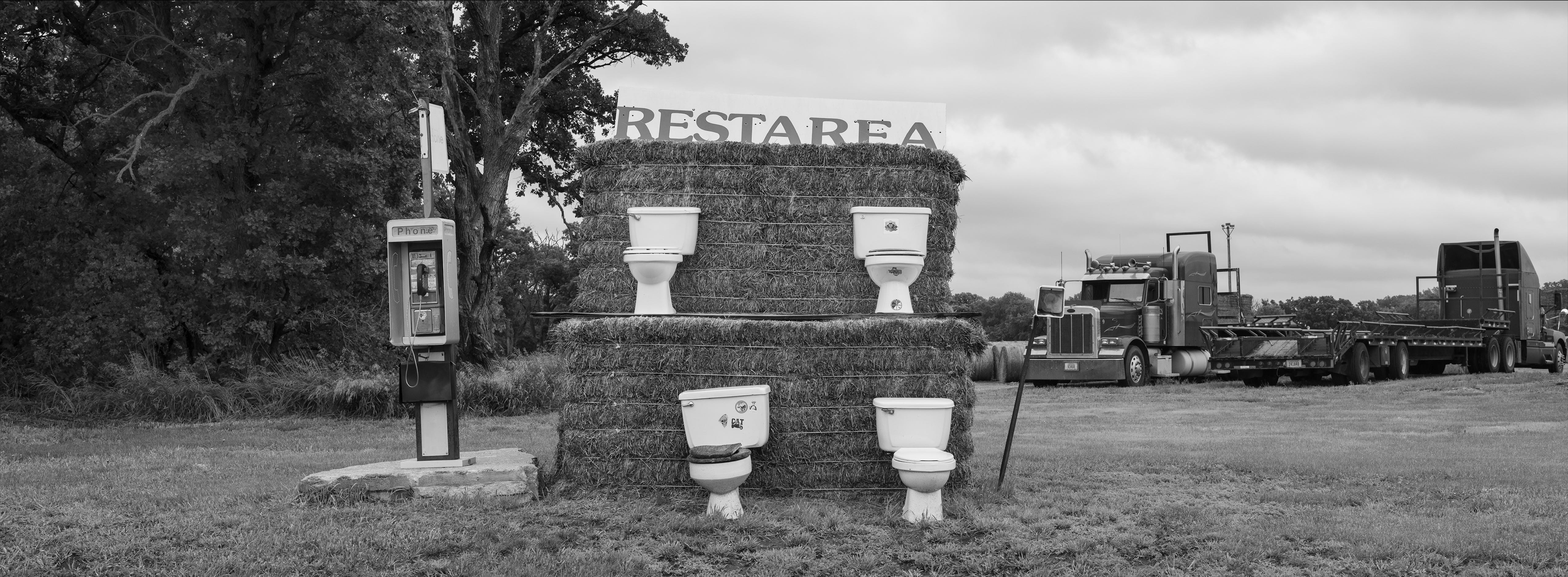
I’m trying to tie together all the photographic things I’ve ever seen, learned, done, or been involved with. I don’t really have expectations, but the subtext of that is that I’d like to learn what I’m looking at and why. Why did it make me stop?
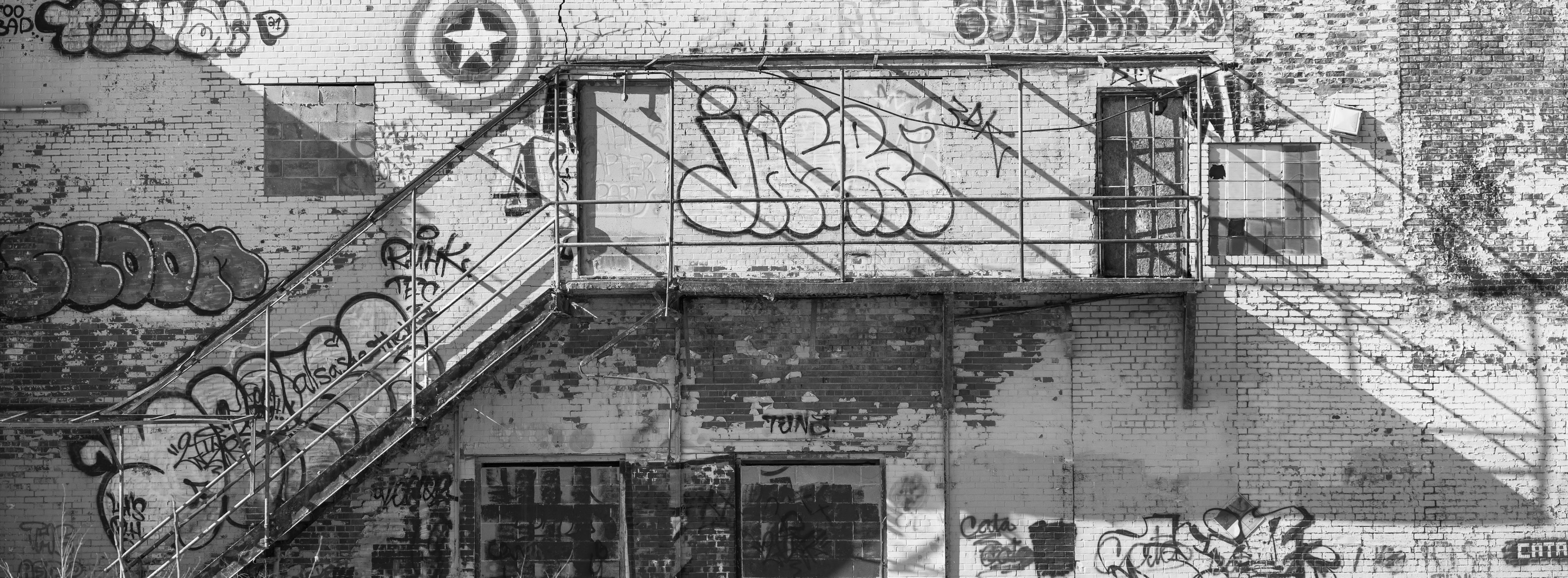
It’s a beautiful self-fulfilling prophecy: the more I examine what I do after I’ve taken the images, the more I start learning about what’s interesting to me. Why did that stop me? What was it about it? For the most part, it was something very simple, like a flow, a movement, a shadow, a highlight, a form, some weirdness, some quirkiness. Those are the things I’m letting myself run wild with.
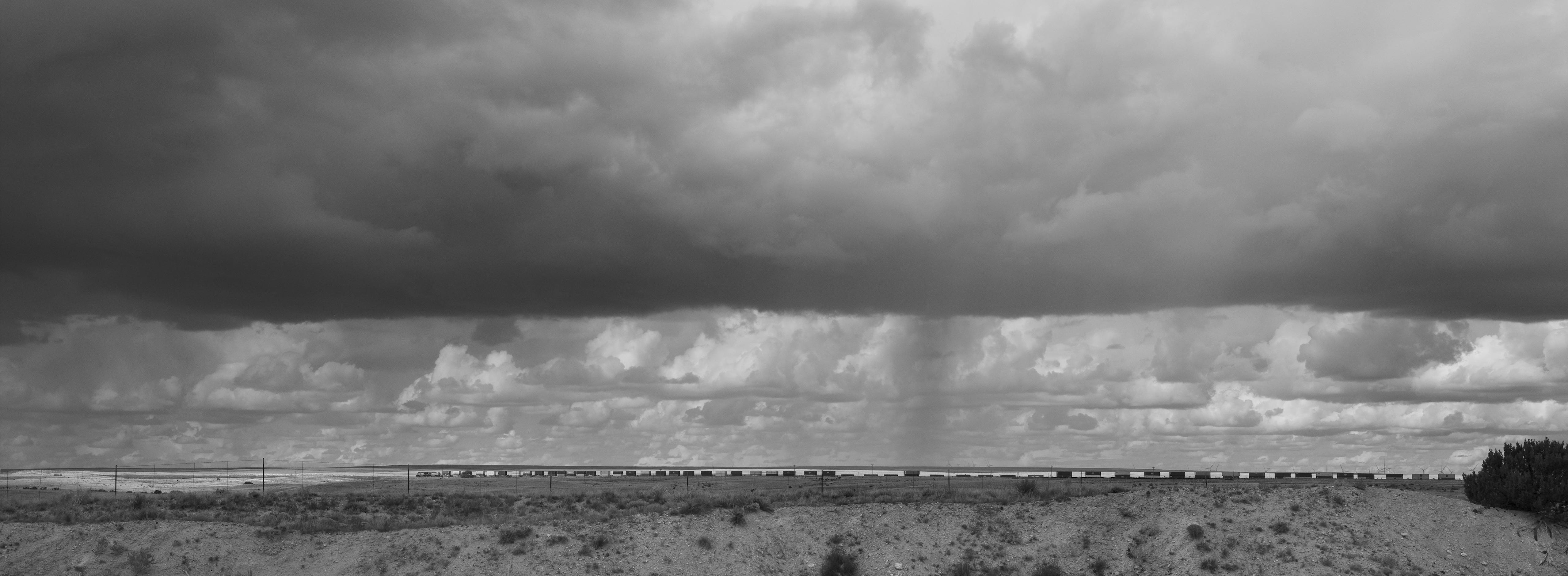
And I think the more I do that, the more it feeds the other side of the business of landscape and nature photography for healthcare. Sometimes those two don’t seem connected, but they work in the same circle of what I see, what I think, what I feel, what makes me get up every day and want to take pictures.
I am what I do. I do what I am. There is no second act. Do it, or don’t.
I want to do this until the day I die and be out shooting a picture when I go. I just can’t separate what my life is from photography.
I’m not competing with anybody but myself.
When Did You Know Photography Was Your Thing?
My dad had an old Argus C3. He’d let me play with it. He was a hobbyist and had a little enlarger in the bathroom, a little darkroom setup. I didn’t always get to see him taking pictures, but I got to see the final outcome on film, and then he’d print some stuff. That was a real big hook.
So he gave me the Argus C3, and I had a roll of black and white film with 20 exposures. I just walked around outside taking pictures. Nothing really outstanding. But I remember there were these old metal garbage cans on the side of the house, and the light was kind of cool. I thought: that’s kind of neat. And I took a picture of it.
Next time my dad developed film, I gave him my roll. He let me develop it. We went into the bathroom/darkroom. And when that picture of the garbage can came up, which is the first black and white picture I ever made, I just was like: holy moly.
I don’t know how to relate it to other aha moments for other people. Maybe someone submits something in high school or college and wins an award. For me, it was: this is it. This is exactly my life. This is what I want to do for the rest of my life.
It was like a launching pad. Somebody starting a forest fire. It has consumed me my whole life, and I love every minute of it still, after 50, 60 years.
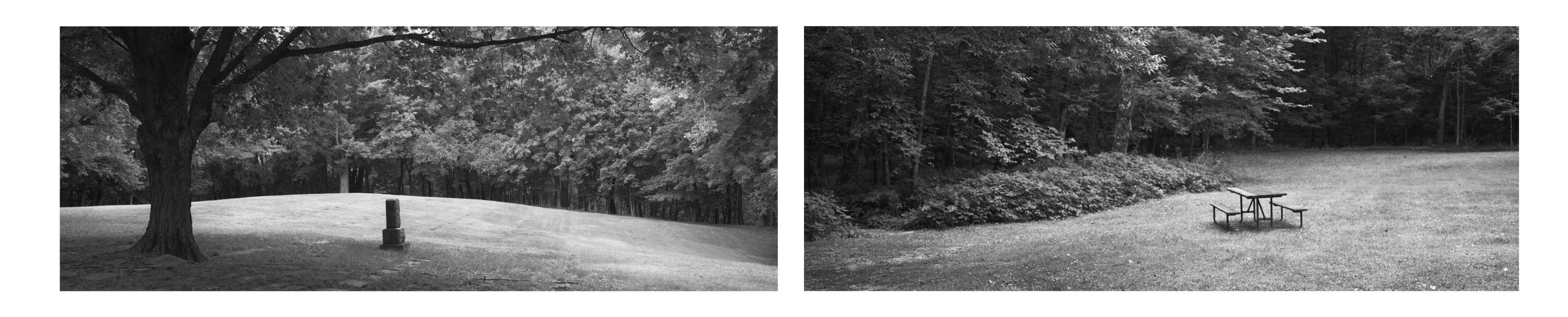
(The two photos above look as if they were shot to correspond on purpose. Did Kurt pre-visualize this? Listen to how he sees these two photos below:)
How Do You Know When a Photo Is Done?
After 50 years, you get a pretty good grasp of where something can go and where it is. But I had a great friend who was a sculptor who was a Jesuit priest with an MFA and a doctorate in art and literature. One day we were talking, and he told me two things that have always stuck with me. He said: the hardest thing about art is knowing when to quit.
I was 24 or 25 at the time. I filed it away. It didn’t sink in for a couple of years. But I got to a point where I understood that obsession with perfection isn’t good.
There is no perfection. It’s how you see it, how you express it, how you sing it, how you dance it, how you write it. It’s how you feel. The more you try to make it something it’s not, the more it goes out of the realm of art.
Anybody who does anything creative is their own worst enemy. I can look at every photo I’ve ever taken and find something I wish I’d done differently. But if you fixate on making everything perfect, you’re in a straitjacket. You’re a slave to this idea of perfection when you should be doing things that are expressive.
It’s about the emotion of when you took it and when you released it into the wild for people to see. That’s all it is.
I stop when I feel like: this does just about exactly what I was thinking. Boom. Done.
Creative Ruts: Do You Struggle, and How Do You Get Out?
God, yes. Anybody who does anything struggles with creative ruts. It’s so easy to fall back into that comfort zone. It’s so easy to say, “Oh yeah, I can do this. I’ve done this a million times.”
Ruts happen to me sometimes for months. What am I going to shoot? How am I going to say something different? And the more you spiral on that, the more you think: I don’t even want to pick up a camera.
Before, I would try to shoot myself out of it and just go bang, bang, bang at everything. Most of the time, that was an exercise in futility. Later, I’d sit down and think: what is a rut, really? Why are you repeating yourself? Everybody in the creative world has that ice-cold fear: have I used up everything I have to say?
What I’ve found that works is turning to a different form. Listen to music way outside my playlist. Pick up a book I’d never normally read. Go to a ballet, go to the art museum, just absorb. And usually that becomes a nice inspiration to start thinking again.
Sometimes I’ll pick up a different camera or a different lens and just say: this is my tool for today. Do something different. Clear your head. If you’re a nature photographer, go find somebody on the street and say, can I take your portrait?
The Worst Photography Advice You Ever Got?
I know what it was. It was my mom saying: you’ll never make it in photography. Why don’t you go to school and become an architect or a lawyer or a doctor.
And part of me did think that maybe photography would never be something I could do for the rest of my life, let alone make a living. Stay in school. Do something else. Do this on the side.
But I don’t think if you really, truly love photography, you ever want to do it on the side. You want to do it for real, all the time. There are a million people out there who probably don’t make a dime from what they do who are a million times better than I am. But you’ve got to believe.
How many people want to be in a rock and roll band, want to be on Broadway, want to be the next great actor or dancer or writer? Everybody. And in most cases, the advice you get is: do anything but what you love.
I always looked at it like: I’d rather go down swinging. Nobody ever told me to hang on to that feeling. I had to figure it out for myself. And I never, ever followed the advice to stop.
There is no second act, and I want to do this till the day I die.
I want to be out shooting a picture and maybe have an a massive aneurysm or a stroke or a heart attack or get hit by a beer truck with my camera.
What Do You Wish Someone Told You A Long Time Ago?
There’s a Neil Young song called Don’t Be Denied. That’s the spirit of it.
Immerse yourself. Be consumed by it. Do everything, learn everything, push yourself to do something every day to get yourself closer to your true photographic self. What do I like to see? How do I see it? How do I make it work?
Absorb as many influences as you possibly can. And then start developing your own style. That’s what separates all of us. Everybody has a different style. You’ve got to develop your own voice. I wish somebody had told me that earlier.
Has Photography Ever Felt Like a Burden?
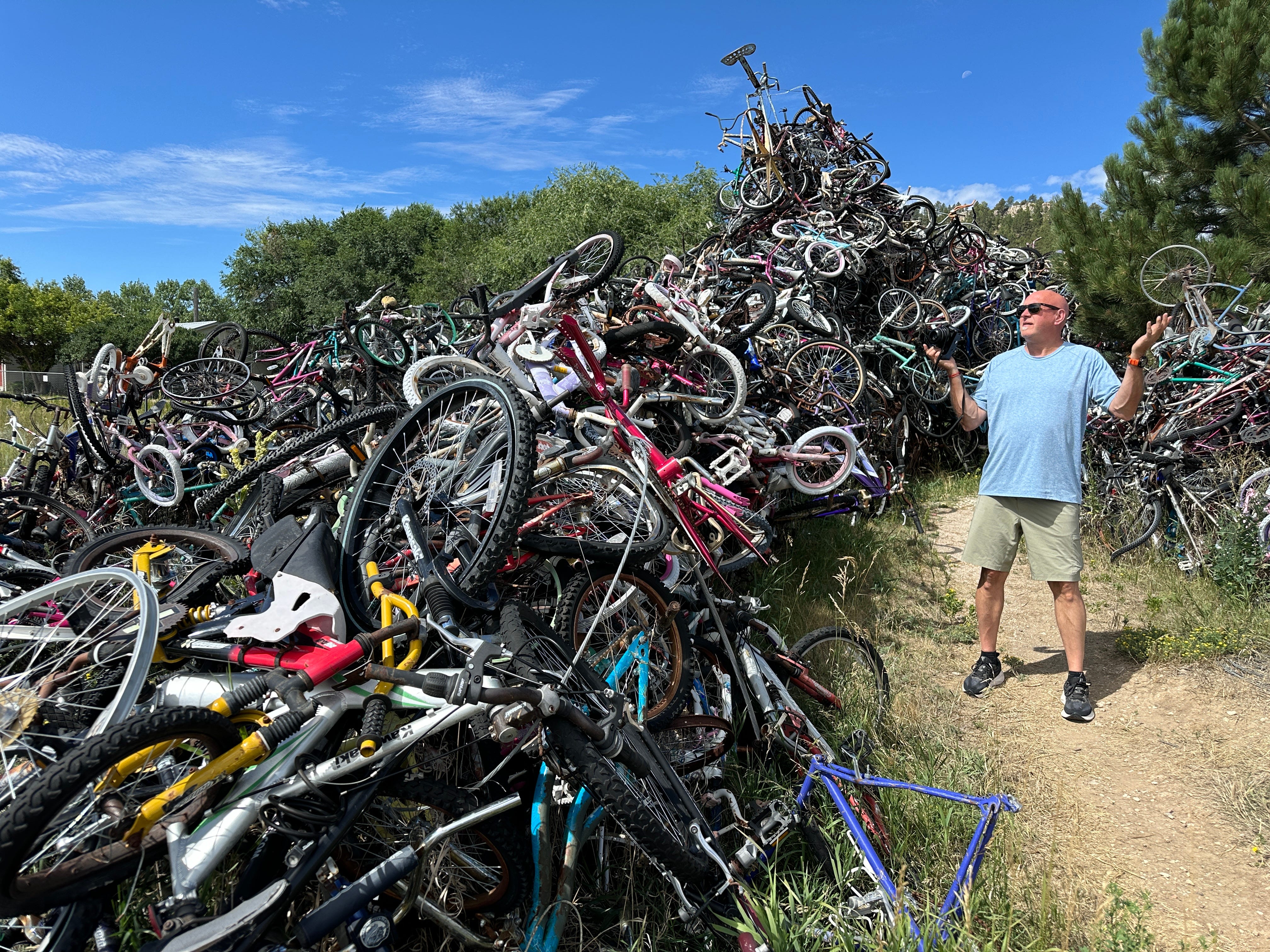
Honestly, the further you go along in your photo groove, the more you need people around you to help fulfill it. And every once in a while, I wake up in the middle of the night knowing that there are about four other people who depend on this team making the best decisions we possibly can. Mortgages. Livelihoods. That becomes a financial weight.
But I would never change where I am. I handle it by trying to think of unique things that separate what I do from everyone else doing what I do. And yes, that becomes its own burden: how much creativity can I bring? How far can I take this?
But it doesn’t weigh an ounce. It’s just a thought: I’ve got mouths to feed. Including my own.
When you have more than yourself involved, things can feel paralyzing. Or you can just accept it and say: I couldn’t get here without everybody. I need everybody. And most of the time, the people I get to be around are just inspirational.
Gary Player said: the harder I work, the luckier I get. That really stuck with me. The harder you work at something, the more you put into it, the more that burden of uncertainty gets lifted. Nobody gets anywhere without risking something. Without sweating. Without being a little scared and wondering, oh my God, what am I going to do? It just goes with the territory.
FOLLOW KURT’S JOURNEY!

P.S. - If you’re getting this, you’re probably already subscribed to my newsletter, but please share this with any photography enthusiasts who are looking for inspiration, tips and a positive photo community (no judgement here)!
And as always, send me any questions you have or topics you’d like to see me cover in upcoming newsletters or YouTube videos (you can subscribe here).
More than anything, even if you don’t purchase a print, subscribing to my YouTube channel, watching some videos, and leaving me a comment about what you think is a great, free, way to support me!
Comments? Leave them below or email me: jerredz@gmail.com
Such a wonderful testimonial to one of the most inspiring people I know and am fortunate to work with. Great interview, Jerred! Reminds me to keep believing in the power of creative acts! 💕
great article. inspirational.