

Between 2008 - 2015, I took hundreds of trips through the midwest, “randomly taking photos.”
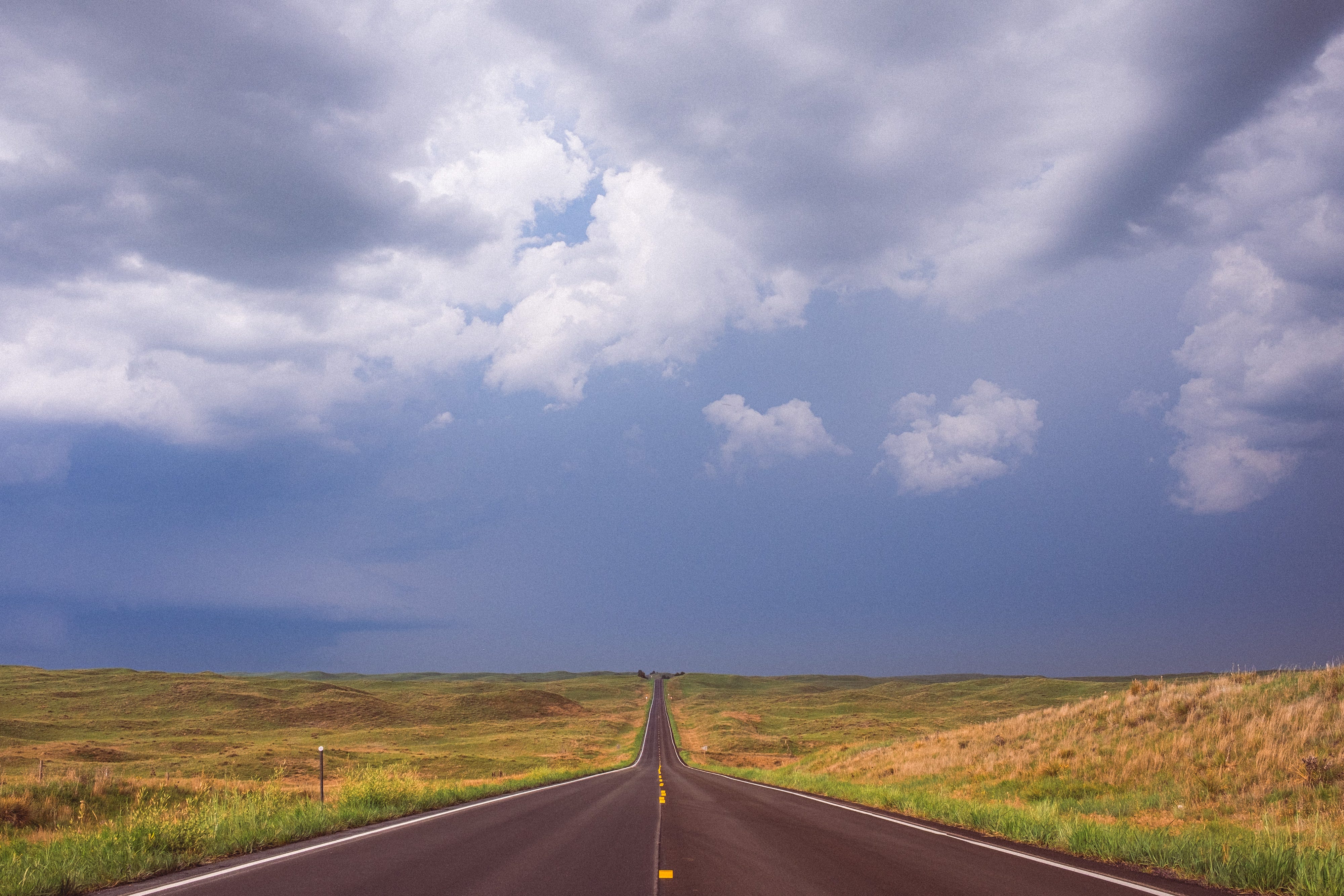
Back then, I was more worried about having fun, going on adventures, and “taking pictures” than I was telling stories. I wasn’t trying to “say” anything, or get very deep.
But now, as I look through so many of my photographs from those years, I was photographing the slow, slow, decline of small town America and the damage wrought.
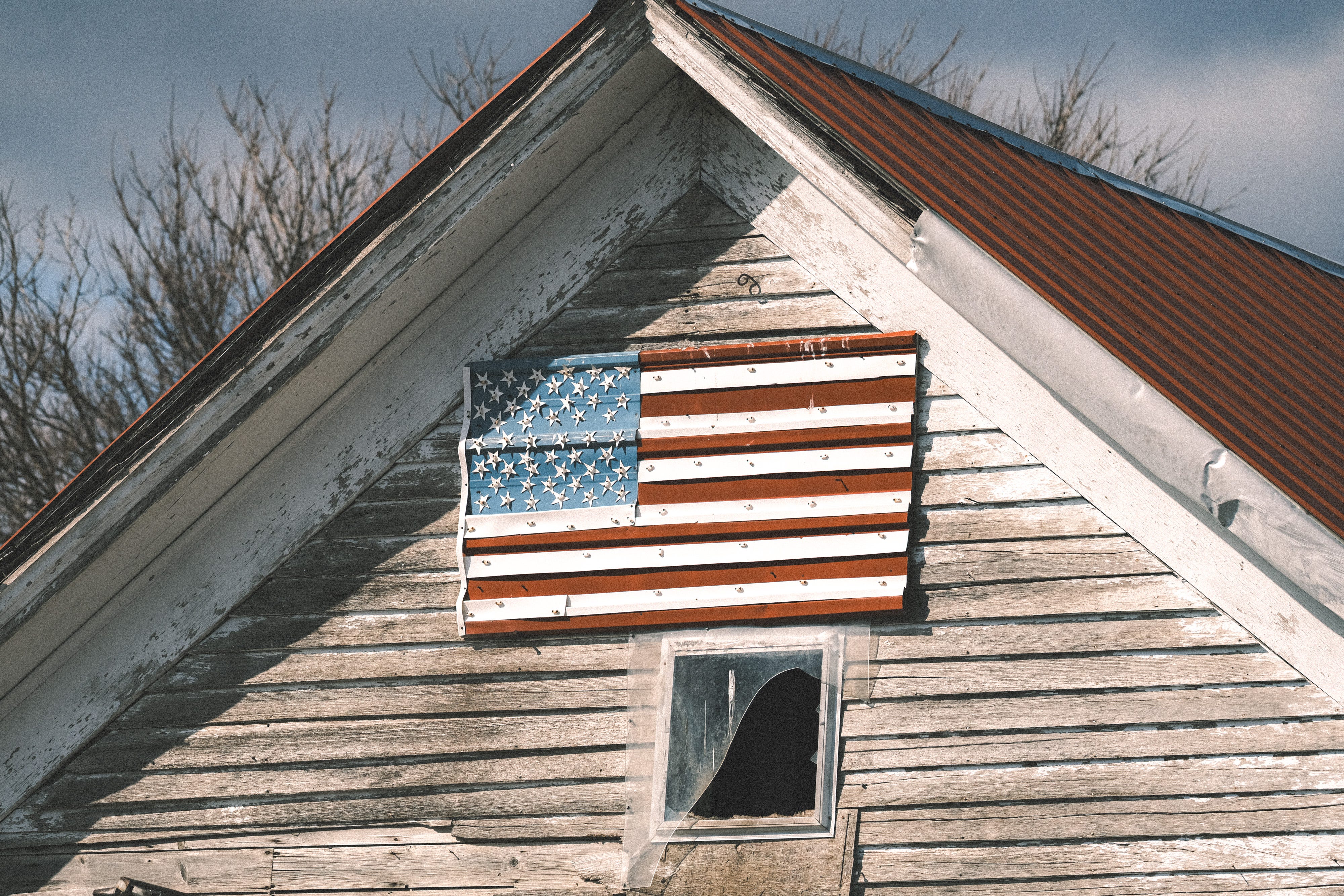
Personally, I was living in a bubble. I felt like we were living in a pretty decent time as a culture.
Progressivism was winning, right? We were in the midst of Barack Obama’s eight years of hope and change. YAY!
I was as a high school teacher at the time, and that hope and change felt real. I thought society was becoming more accepting. There were meaningful shifts in promoting diversity, equity and inclusion that spilled over into the classroom in a positive way.
I’ve realized I had been living in a completely different reality than millions of people in rural areas.
Small towns, once the backbone of America, continue to die… and no one seems to care.


The young people in small towns don’t have much to do, so they leave. They want careers, so they leave. They leave because opportunity is scarce, and resources are thin.
Health care is sometimes non-existent. The internet is still often too slow for people to consider working remotely, and other jobs are scarce, often low-paying, and sometimes rely on a single industry.
In Nebraska, for instance, the residents of a small town named Lexington recently found out that the town’s largest source of industry was shutting their plant down. That town WAS the plant. This story is common - a large industry can support small towns - but when that industry leaves, what happens?
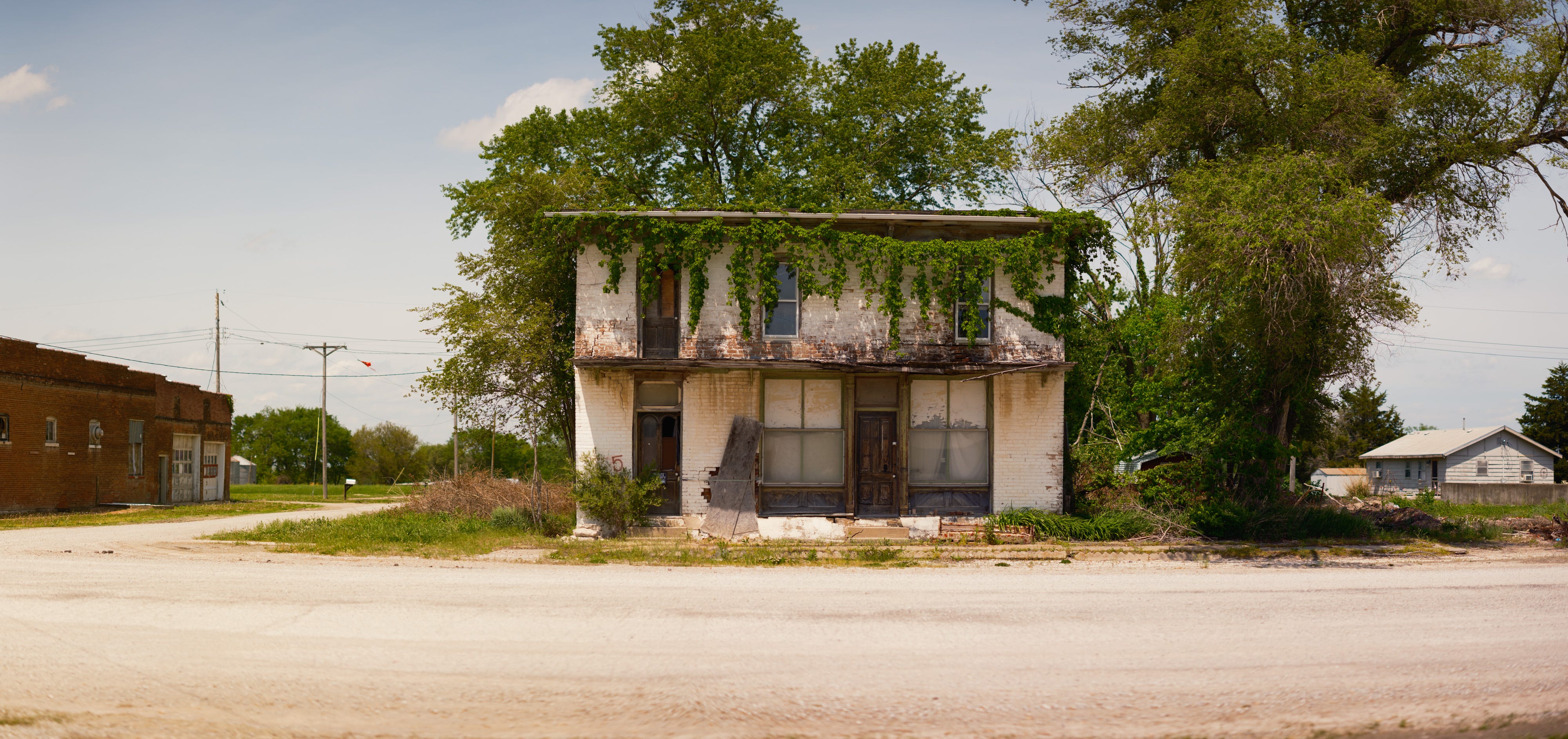
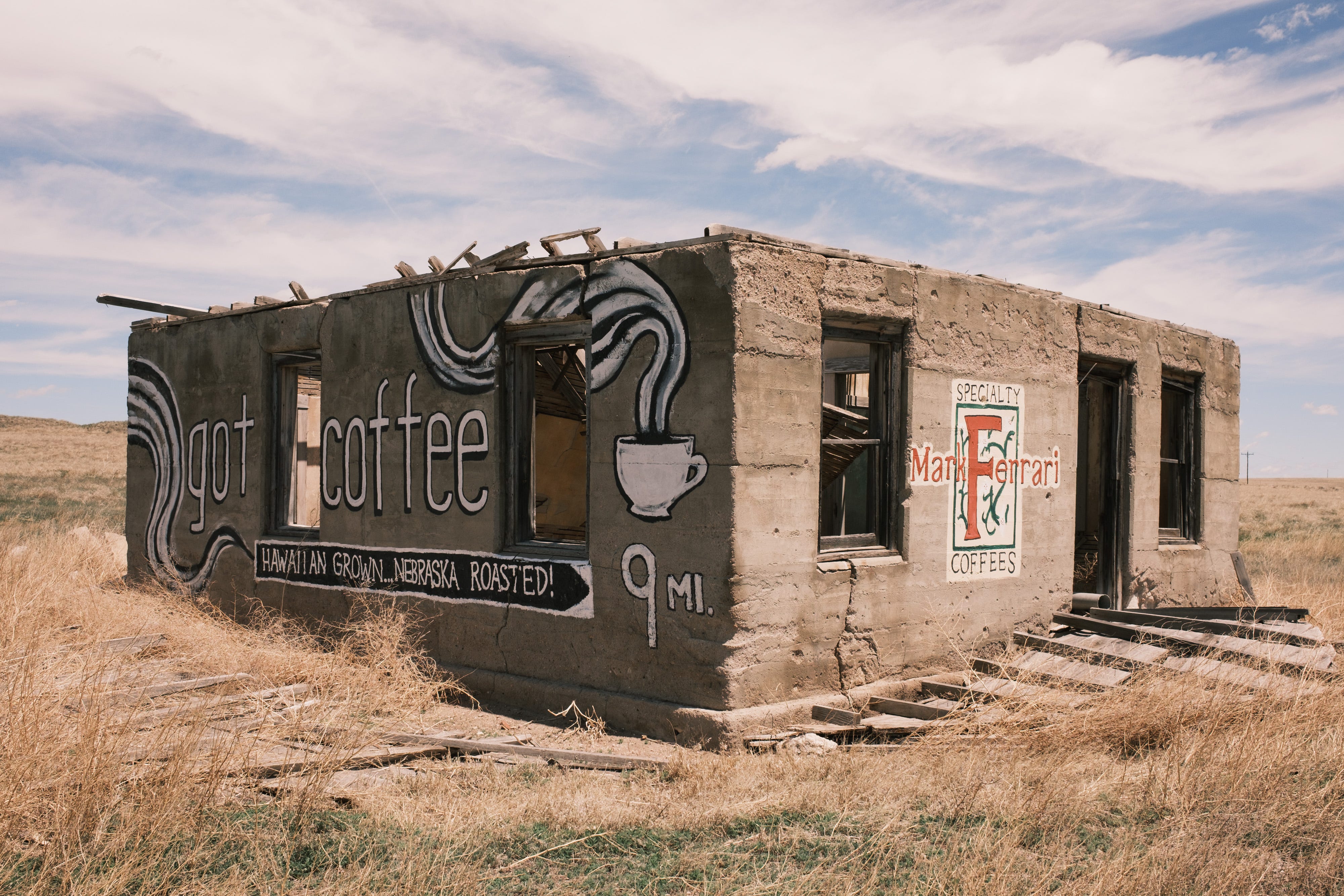
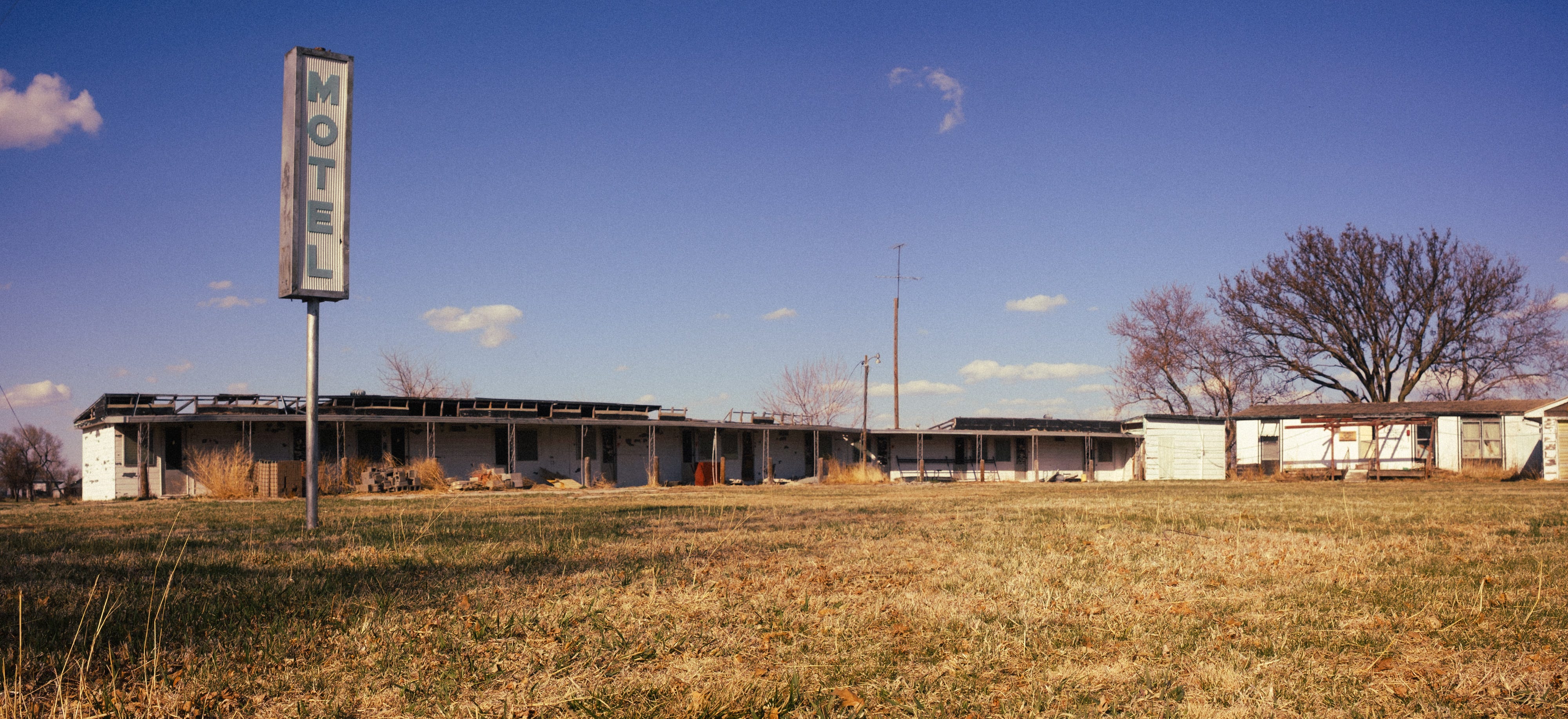
I often drive through the back roads and small towns of Nebraska with a smile on my face. I call finding abandoned stuff “rural treasure” and I love talking to the people there, who (nearly) always reveal themselves to be kind, humble, generous people.
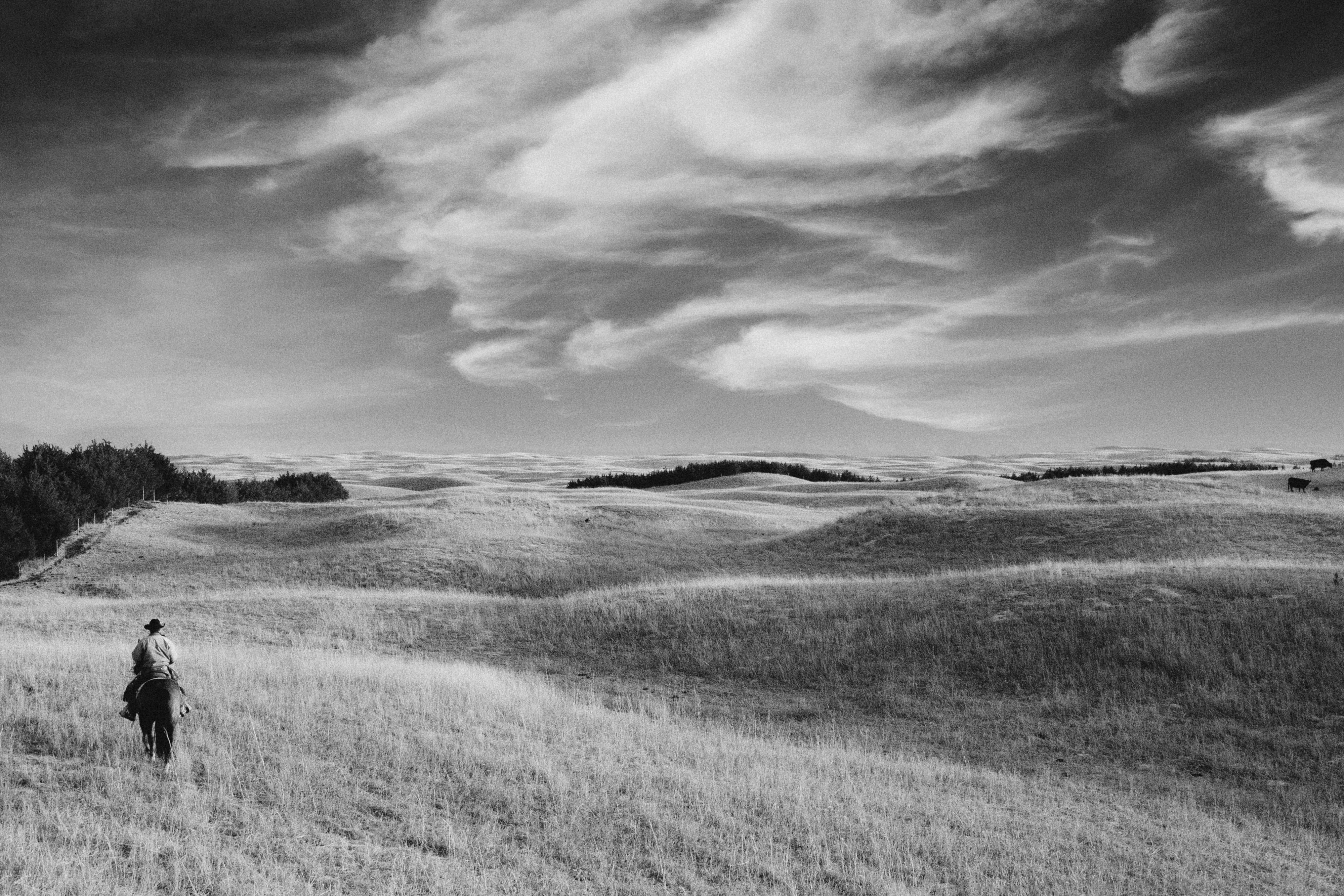
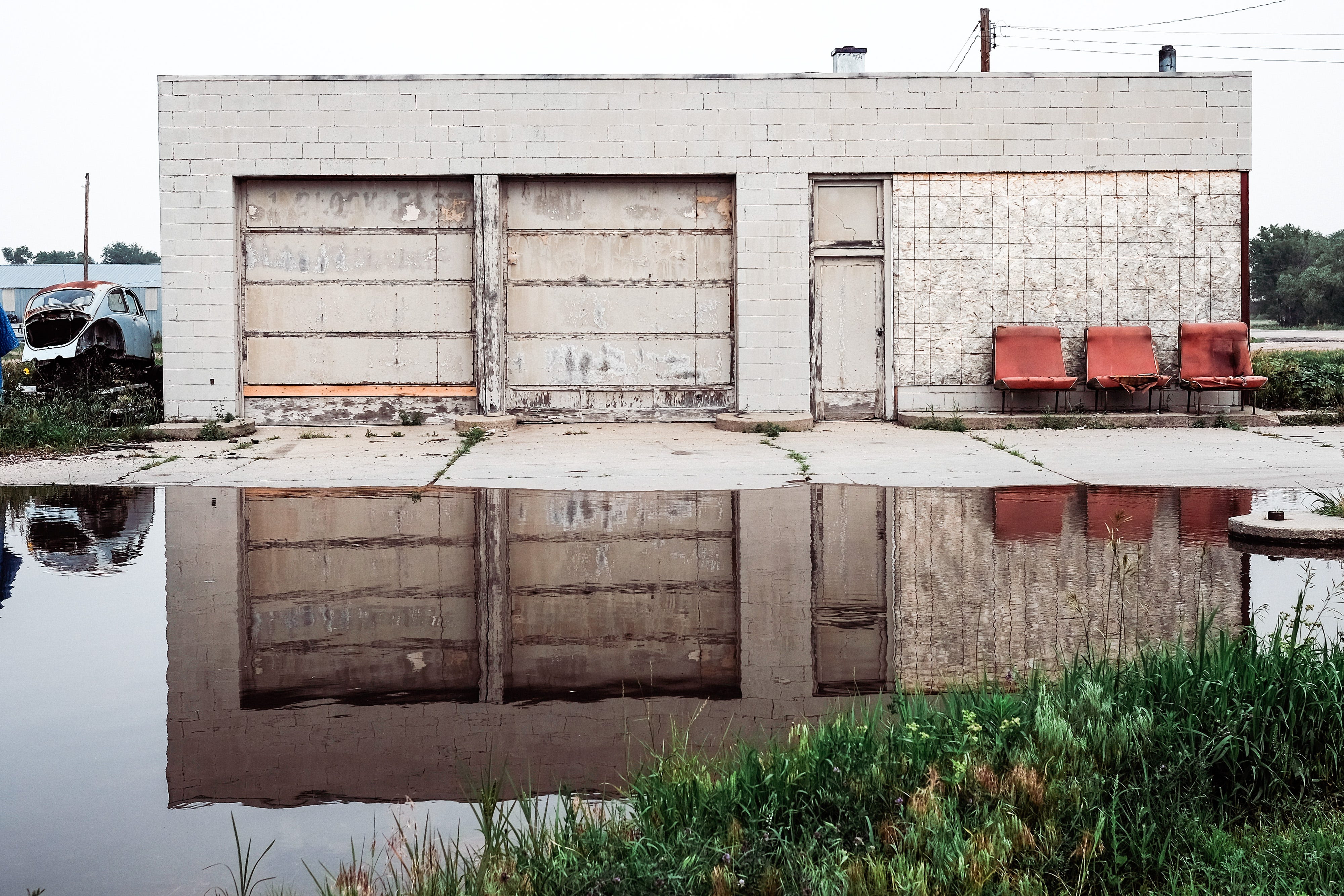
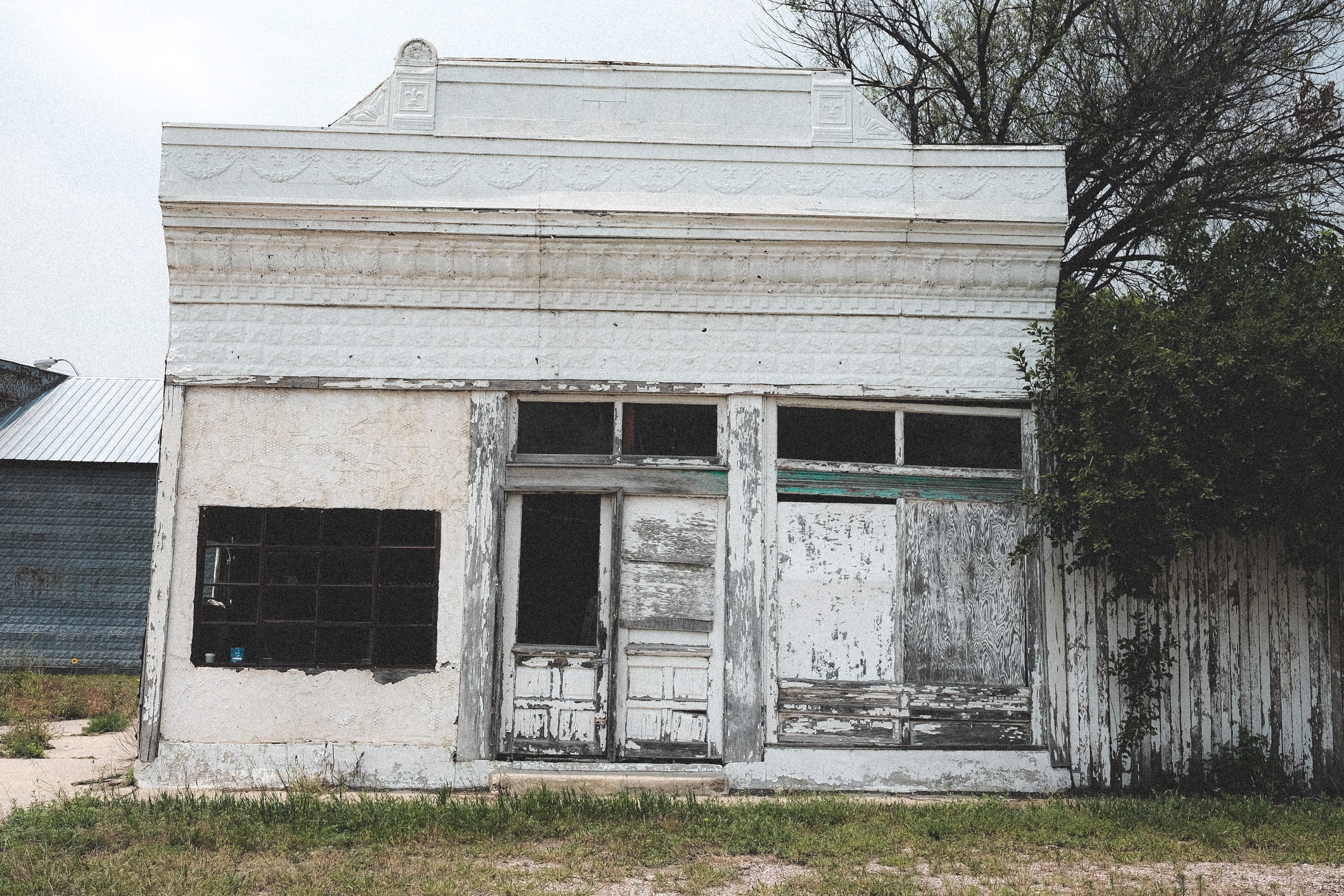
At the same time, I’m fascinated by abandoned storefronts, homes, and rusted children’s playgrounds. These things are fun for me: a source of entertainment and inspiration for my photography. It’s so easy for me to enter those spaces, take photos, and leave.
My downtown doesn’t look like this:
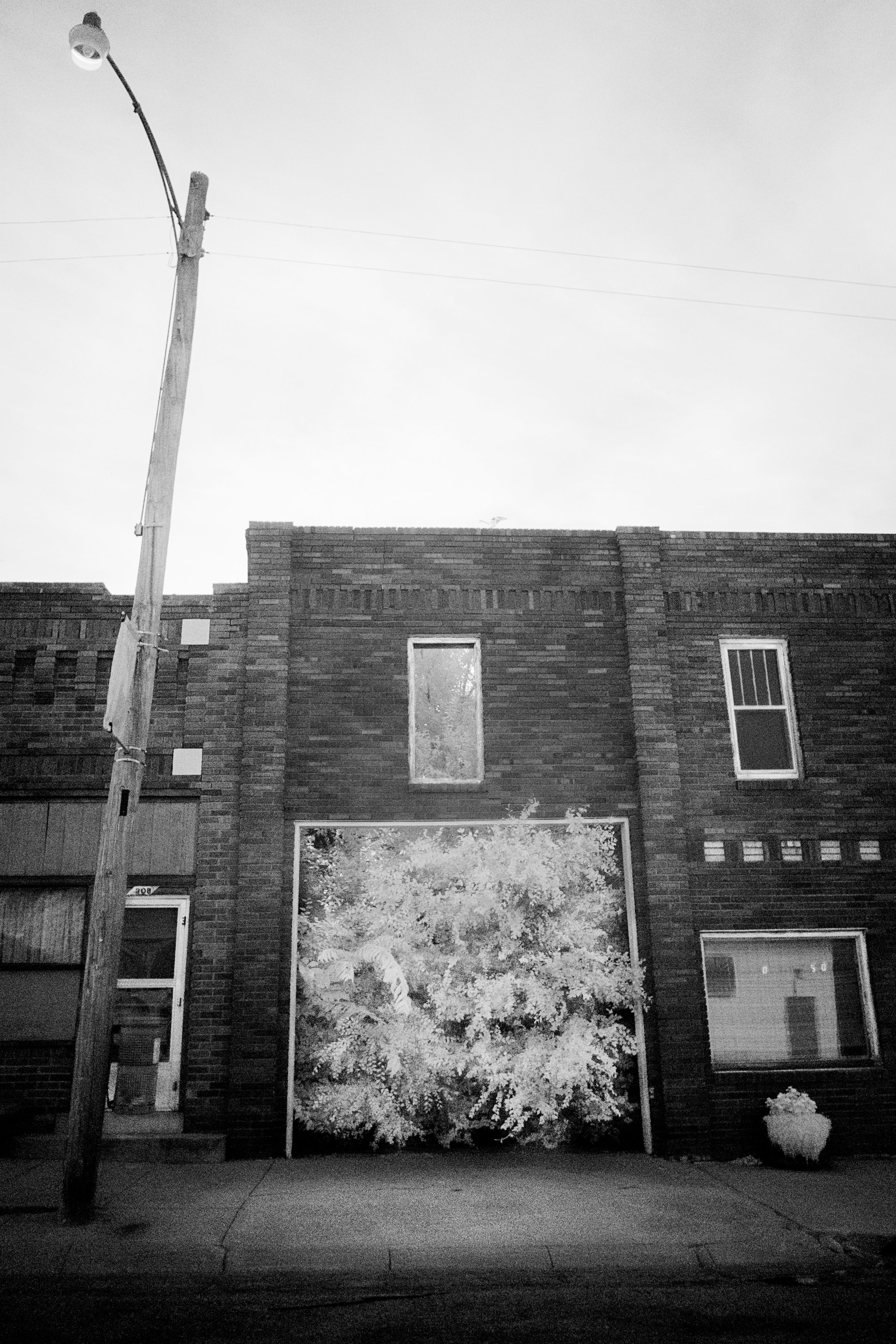
All this time, I thought I was photographing interesting places with fascinating stories. I thought about an idealized version of the past, mostly, and the stories these places could tell.
What I didn’t know at the time was that I was actually documenting rural:
Desperation.
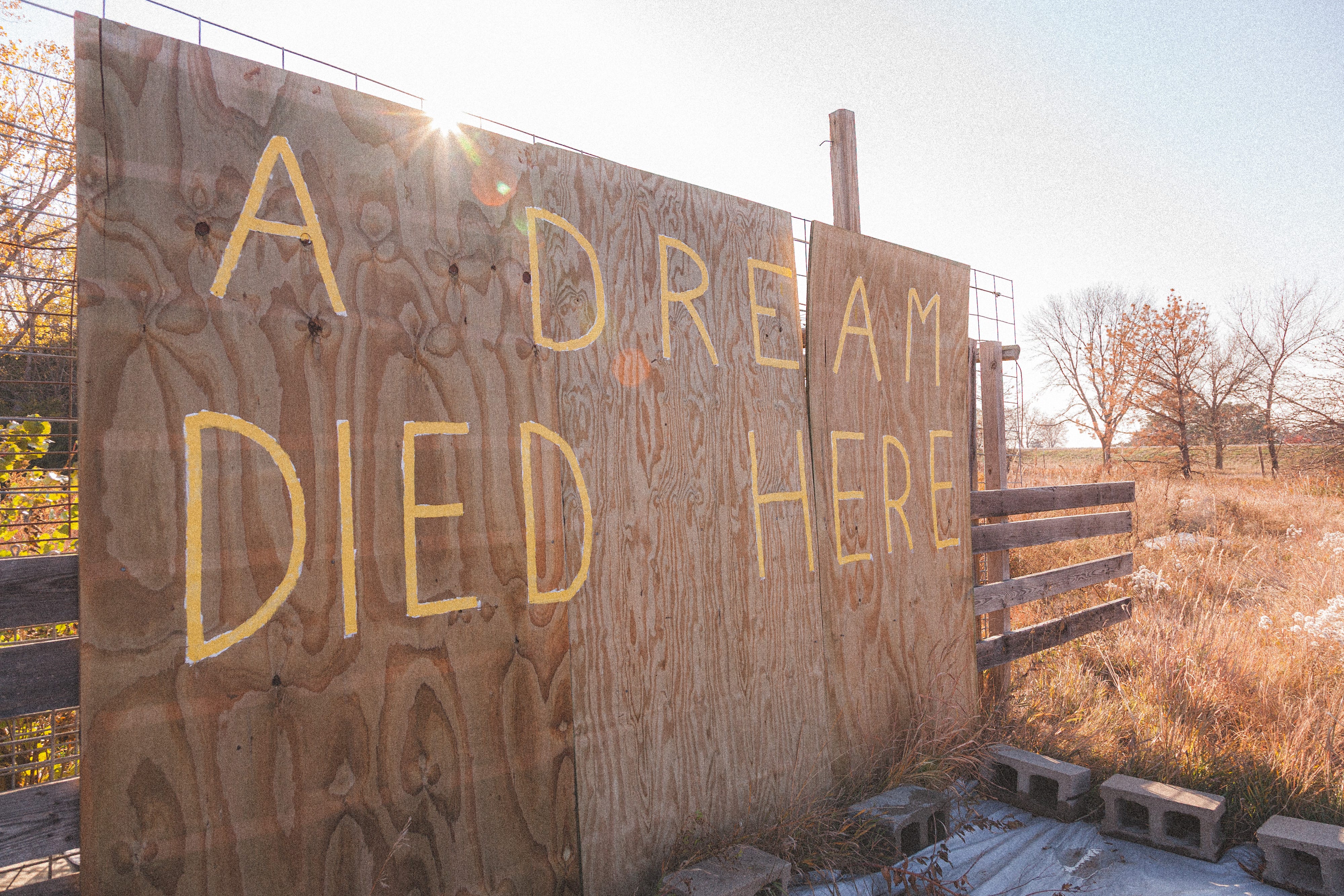
Frustration.
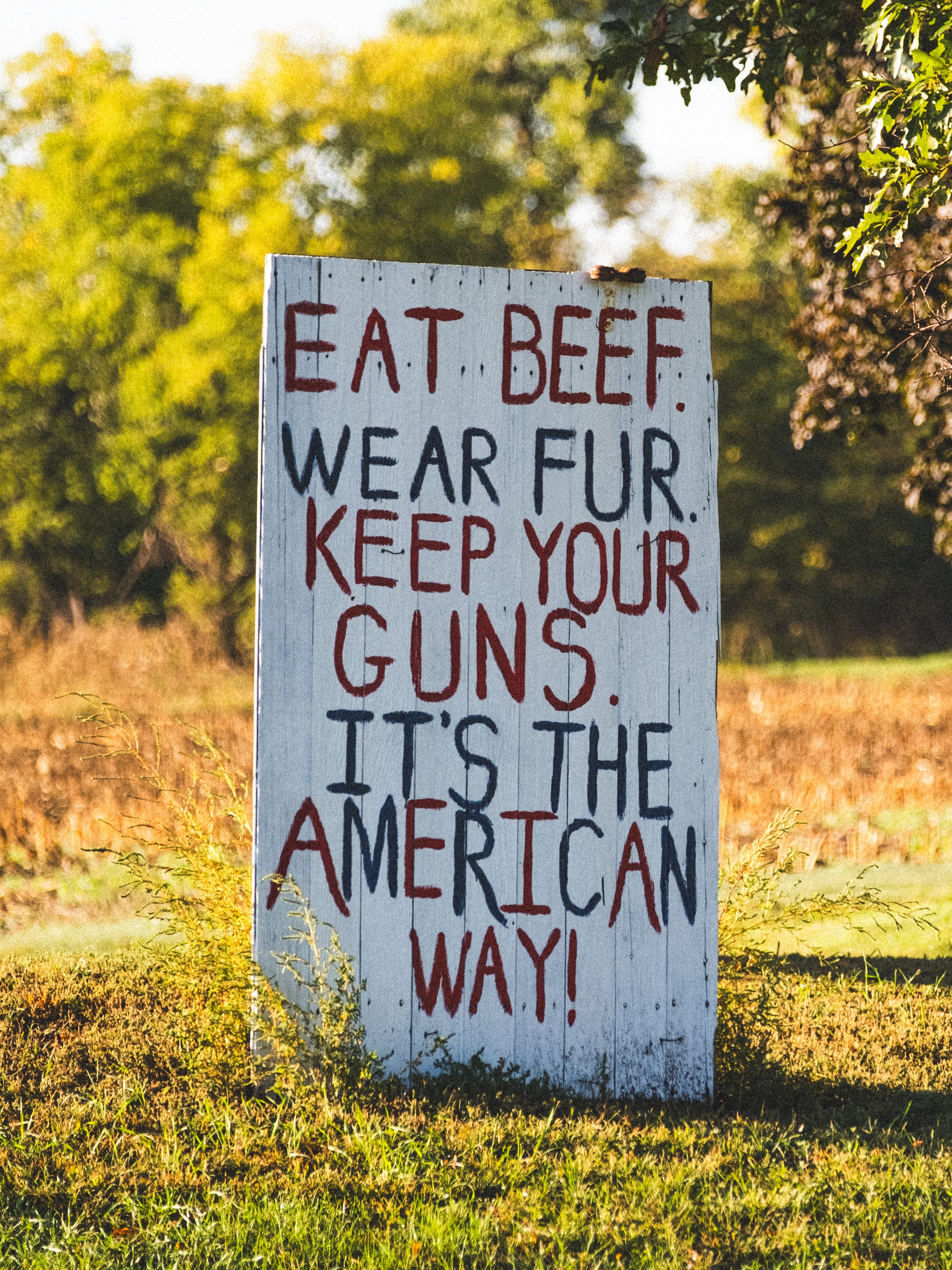
Fear.
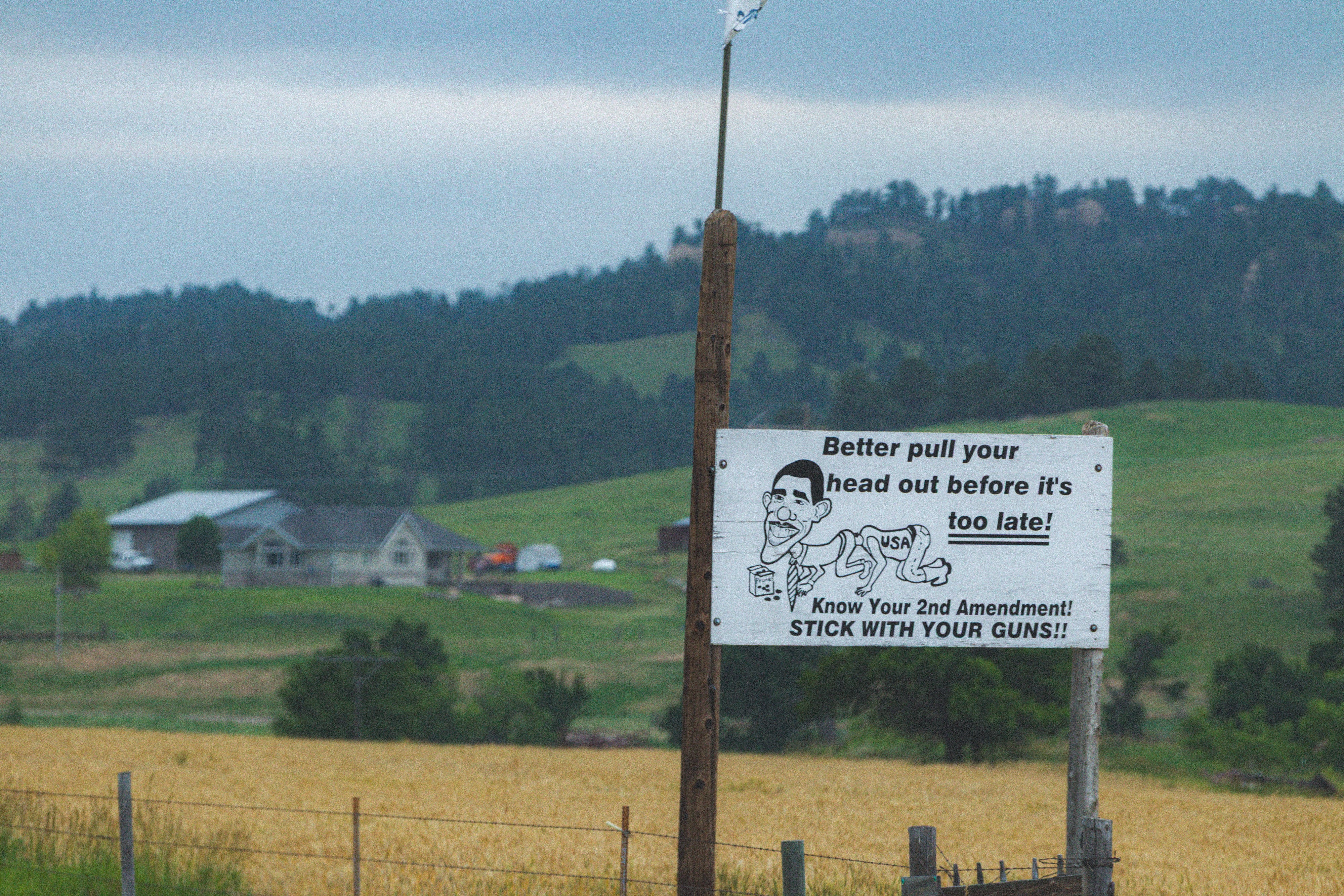
Resentment.
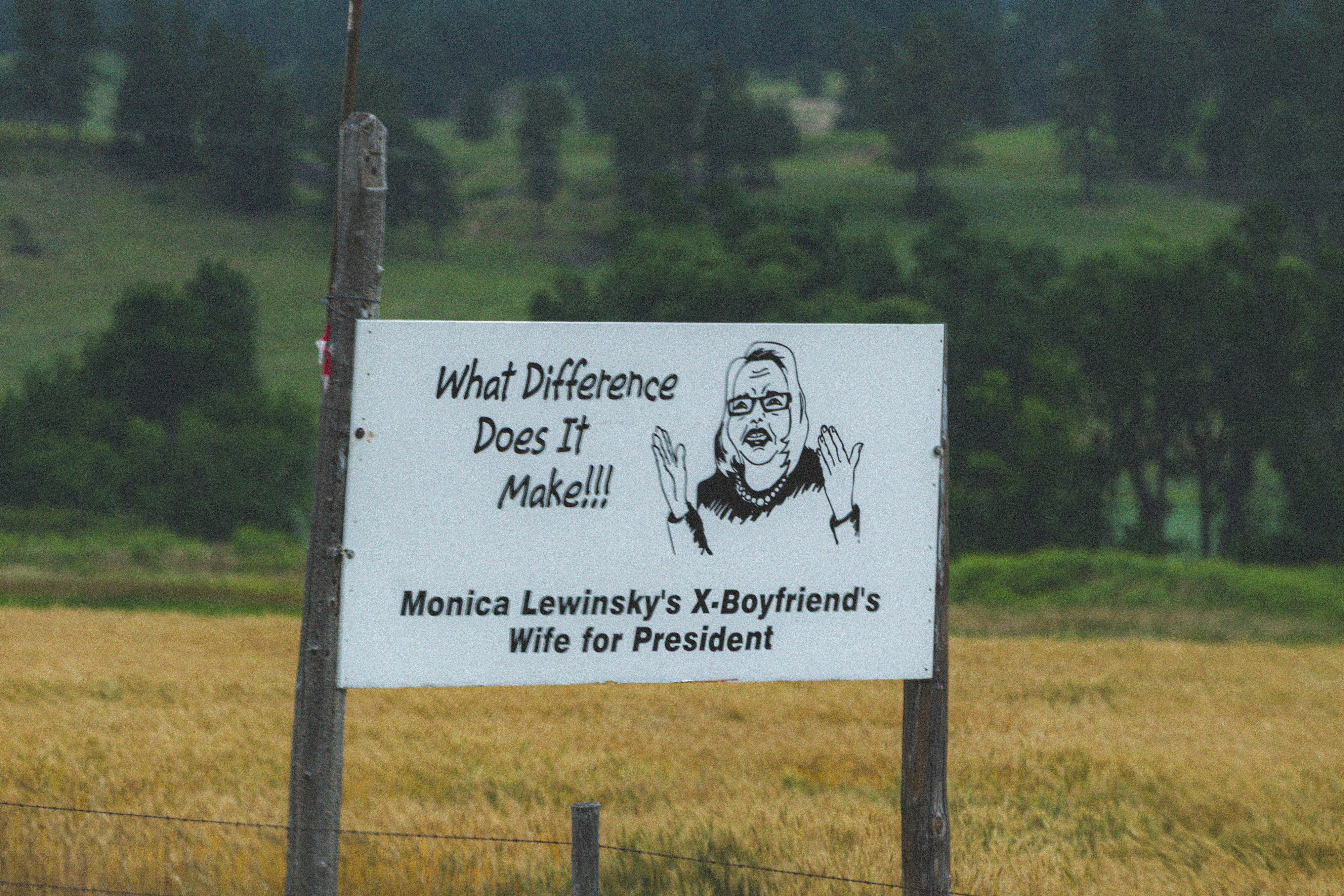
Institutions have been failing rural populations for decades.
Every abandoned small town street tells the story of millions of people across the country, once the “heartbeat of America,” now sometimes unable to buy groceries in their own communities outside of the options available at the local Dollar General.
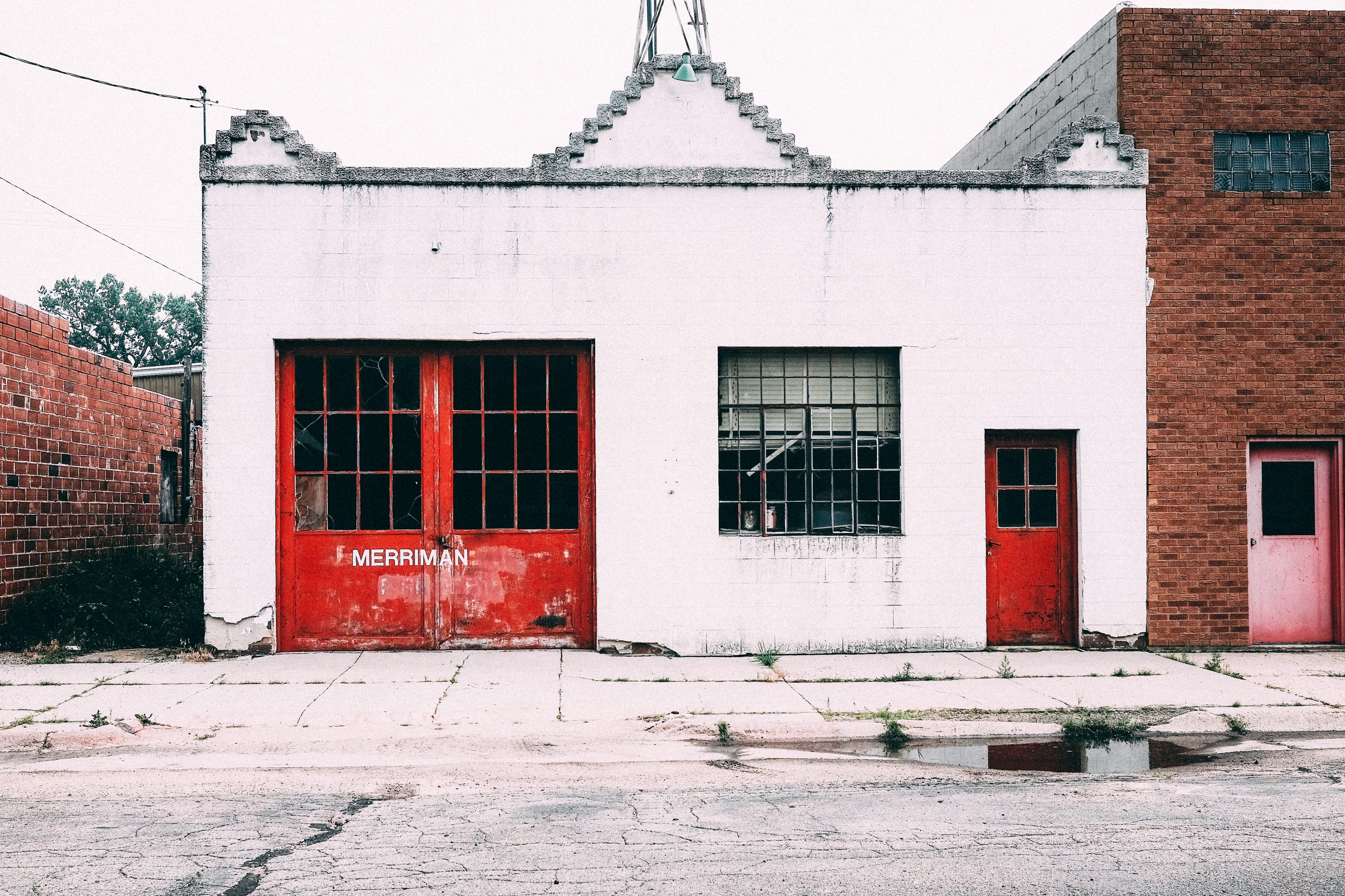
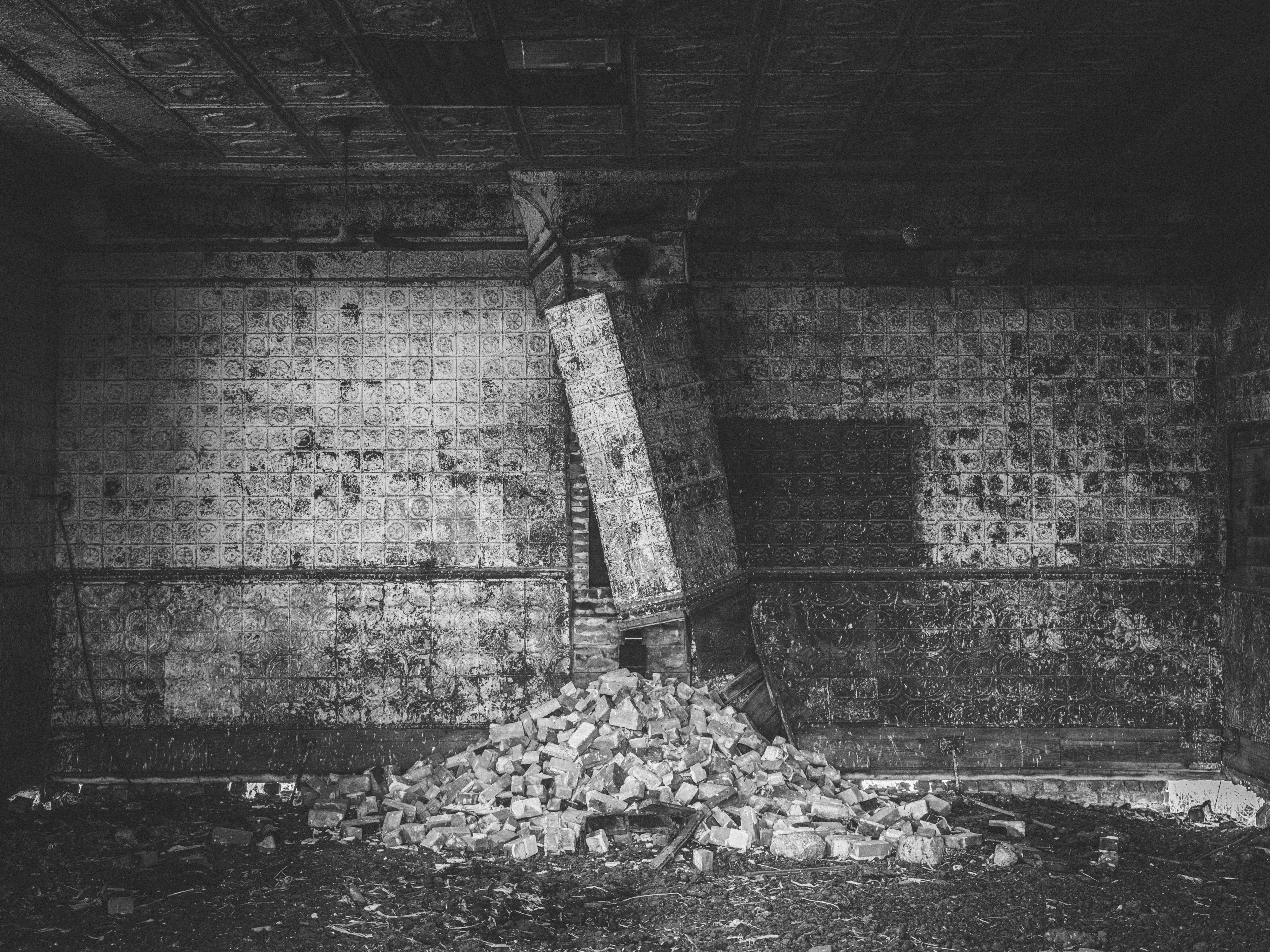
Derelict schools speaks to the never-ending erosion of community as rural schools consolidate, mostly due to economic reasons.
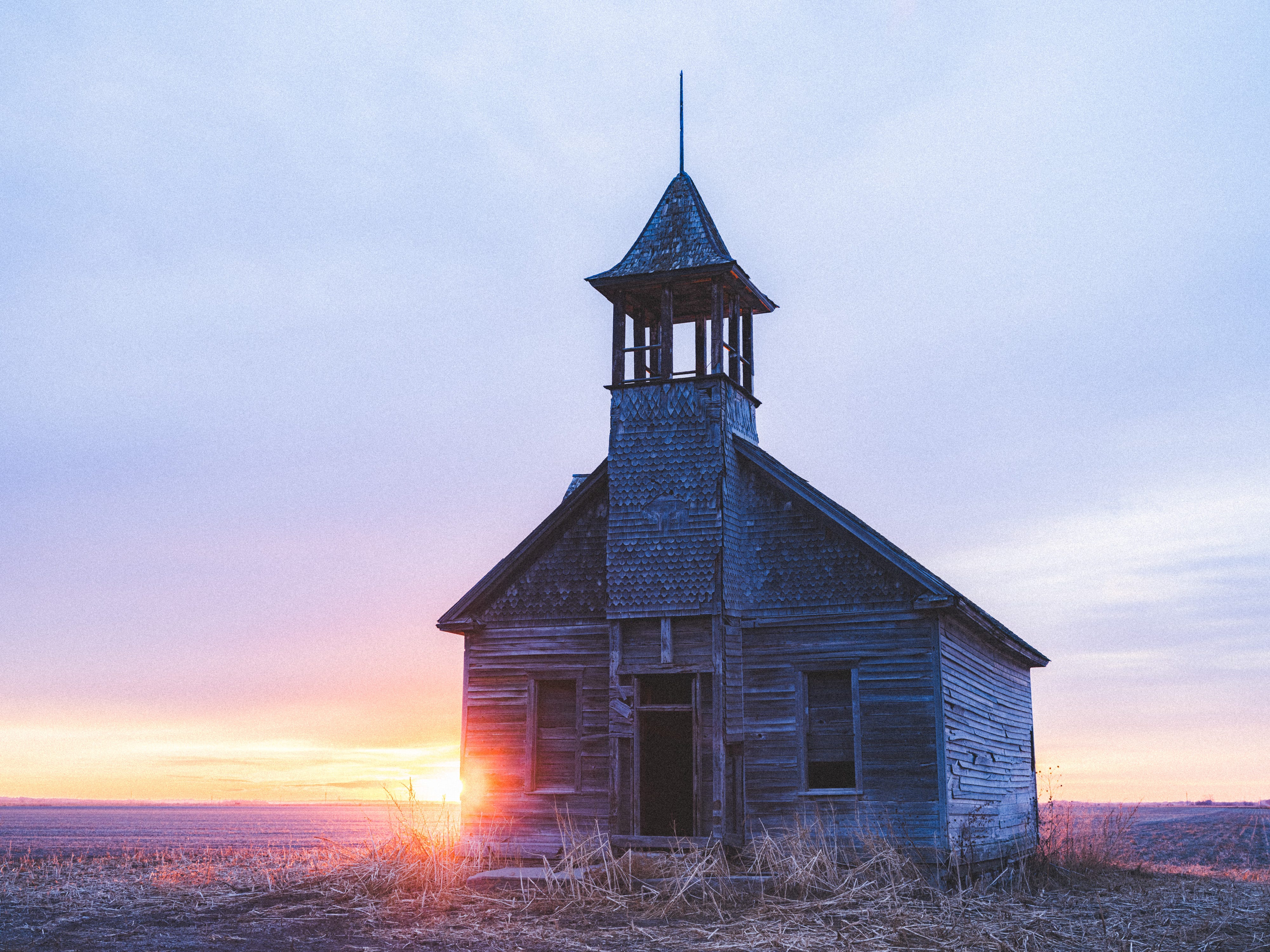
And the churches… so many churches, but even they are often on their last leg, unable to pay for a new coat of paint.
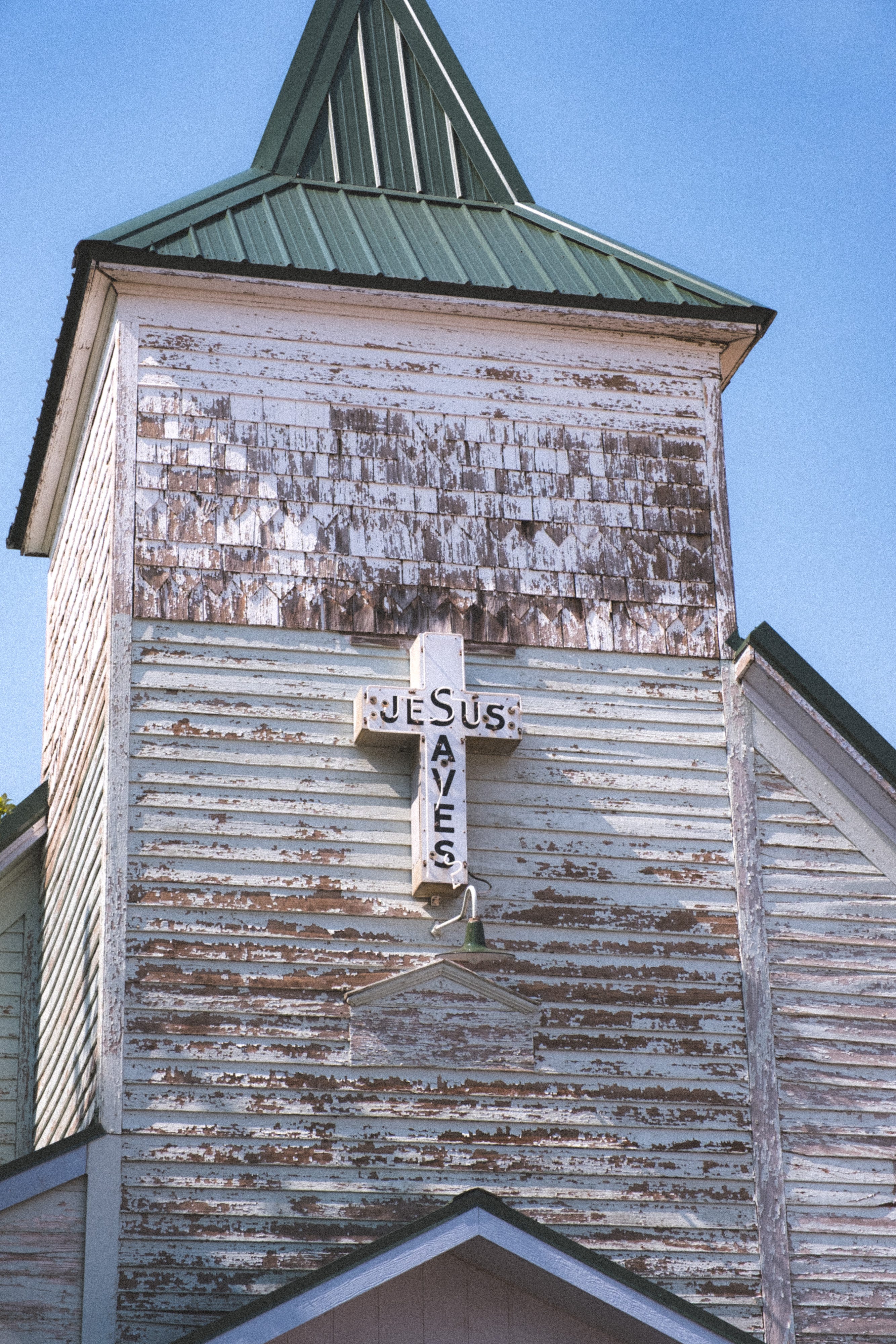
Small towns have often relied on small, rural churches for community, but rural churches are declining.
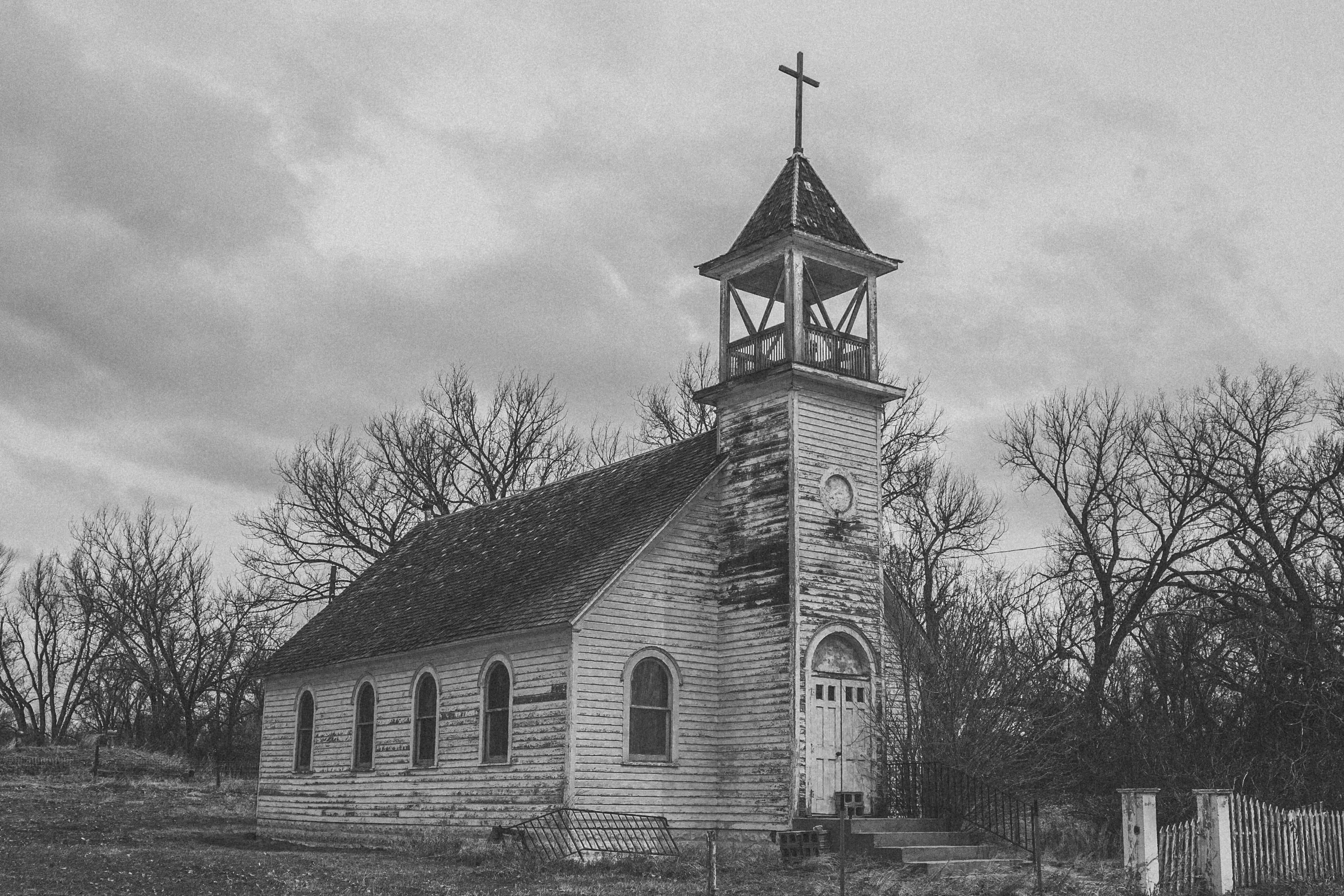
These centers for community evaporate, and I often see groups of old men meeting at the local gas station. There’s nowhere else to meet.
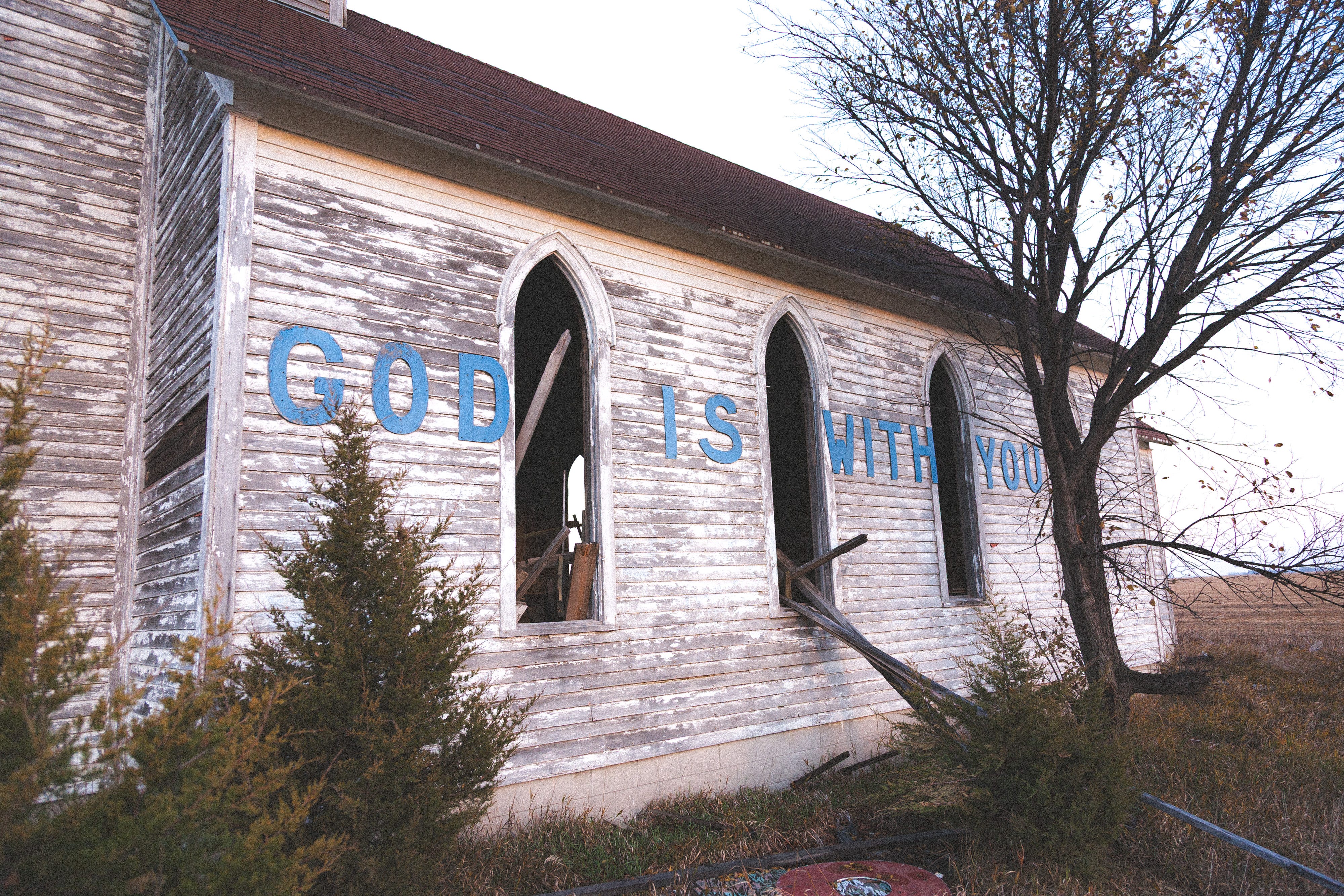
This is a pattern as you’ll find many small towns around the country full of mostly-abandoned streets, dangerous buildings (that no one has the money to tear down), and very few people.
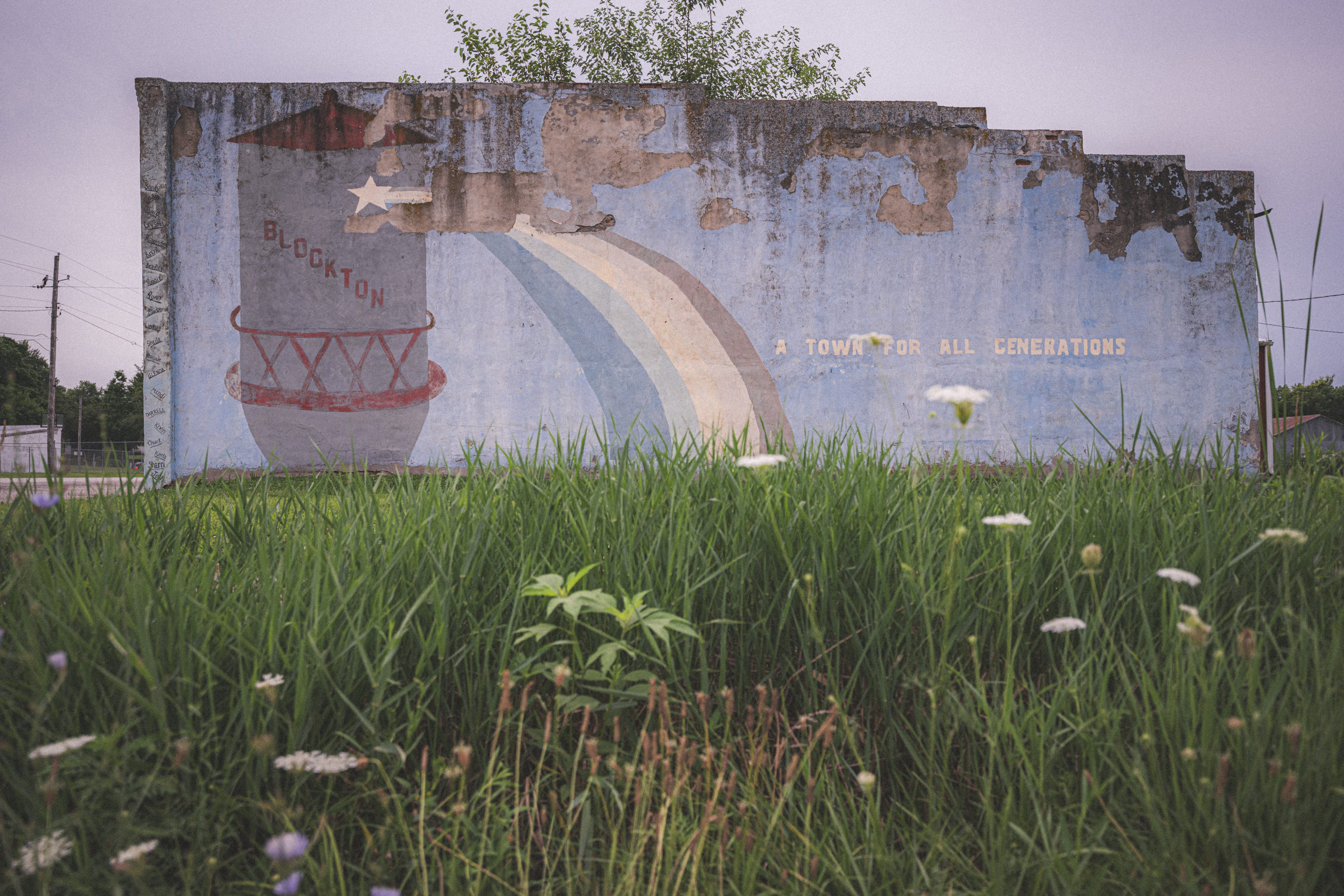
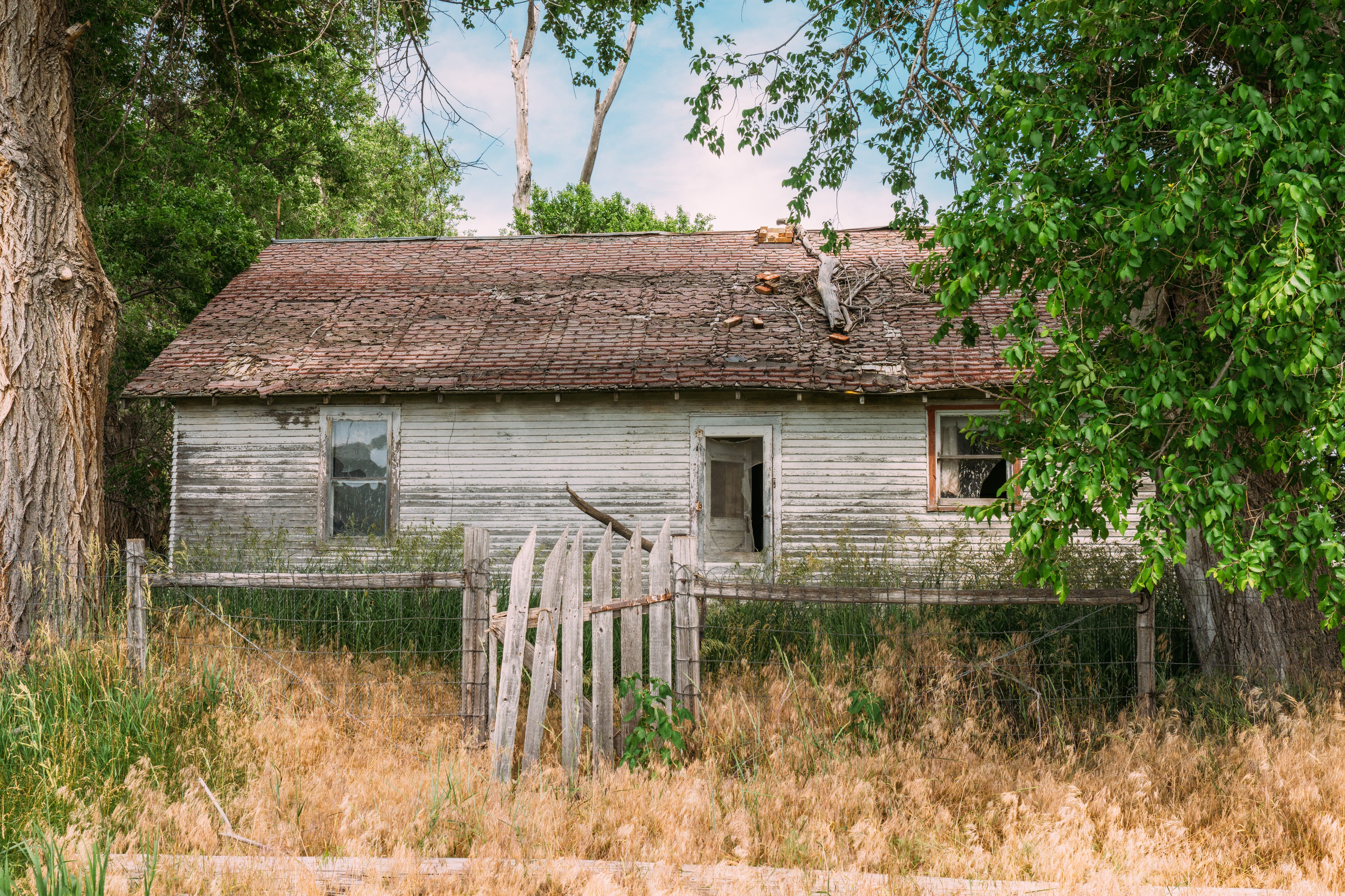
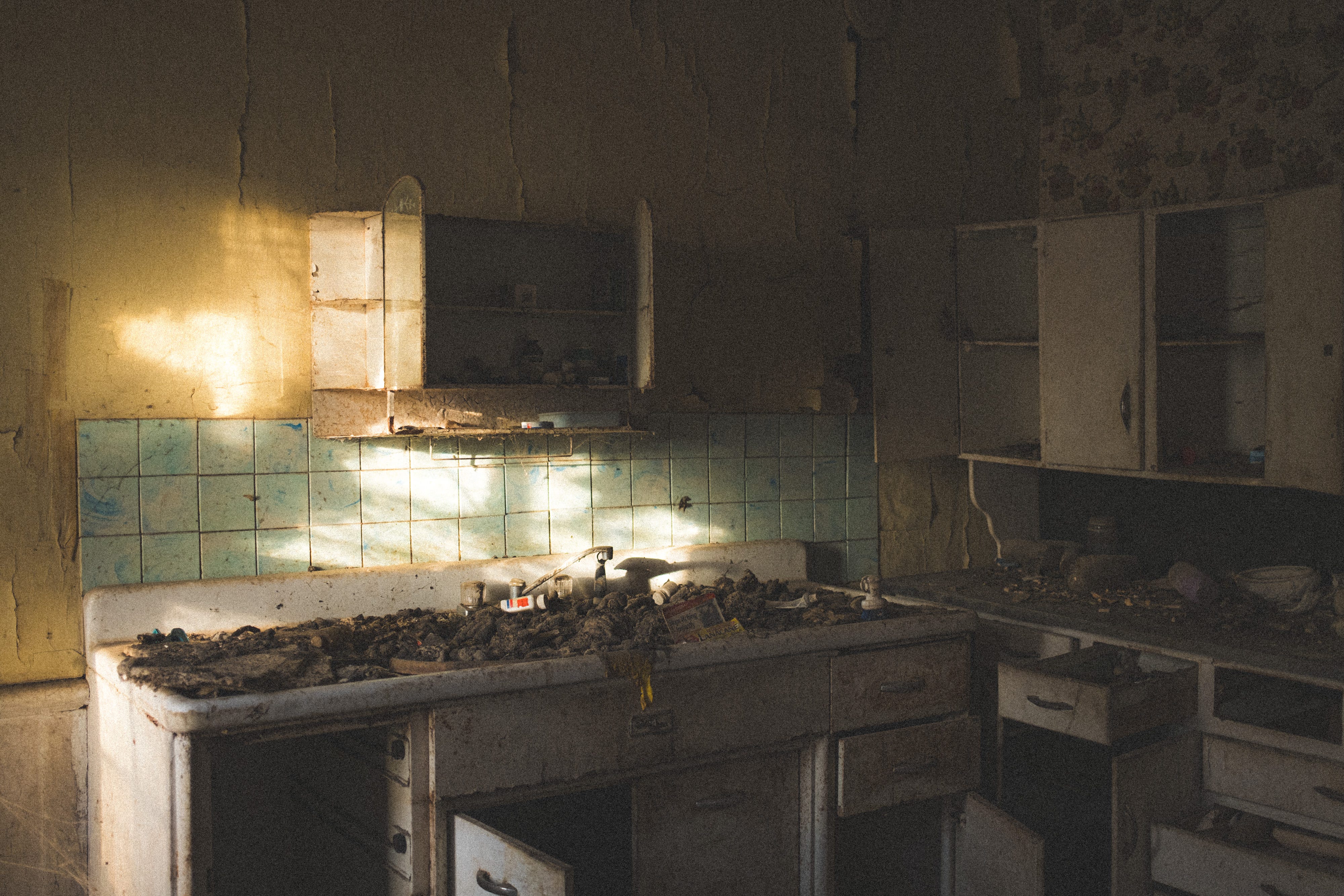
Everything falls apart. It’s painful to see it happening in front of me. I don’t think many of these people in the country were experiencing “hope and change” like I was during this time.
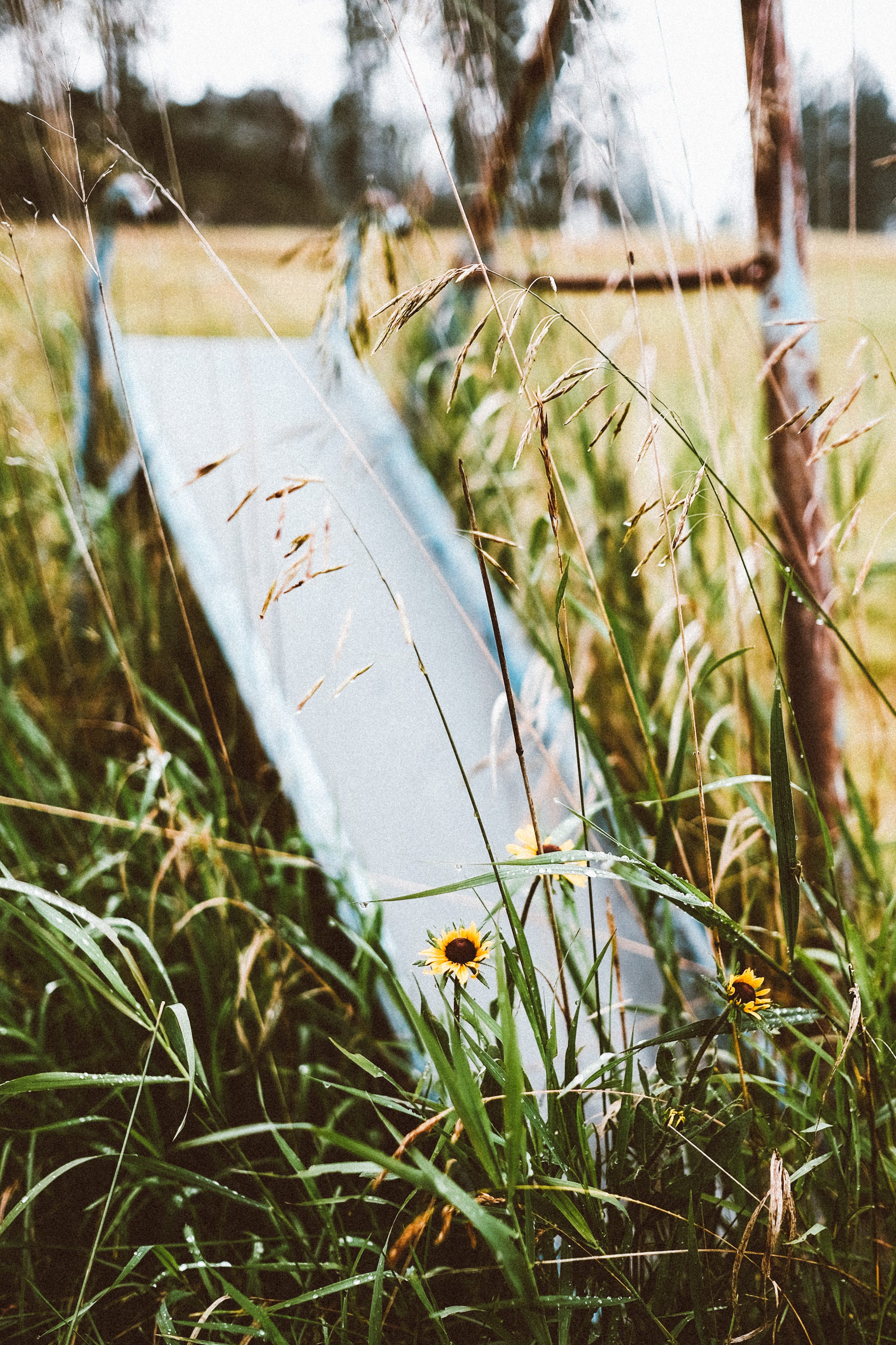
All those countless hours driving those roads, exploring, talking to people, I had no idea.
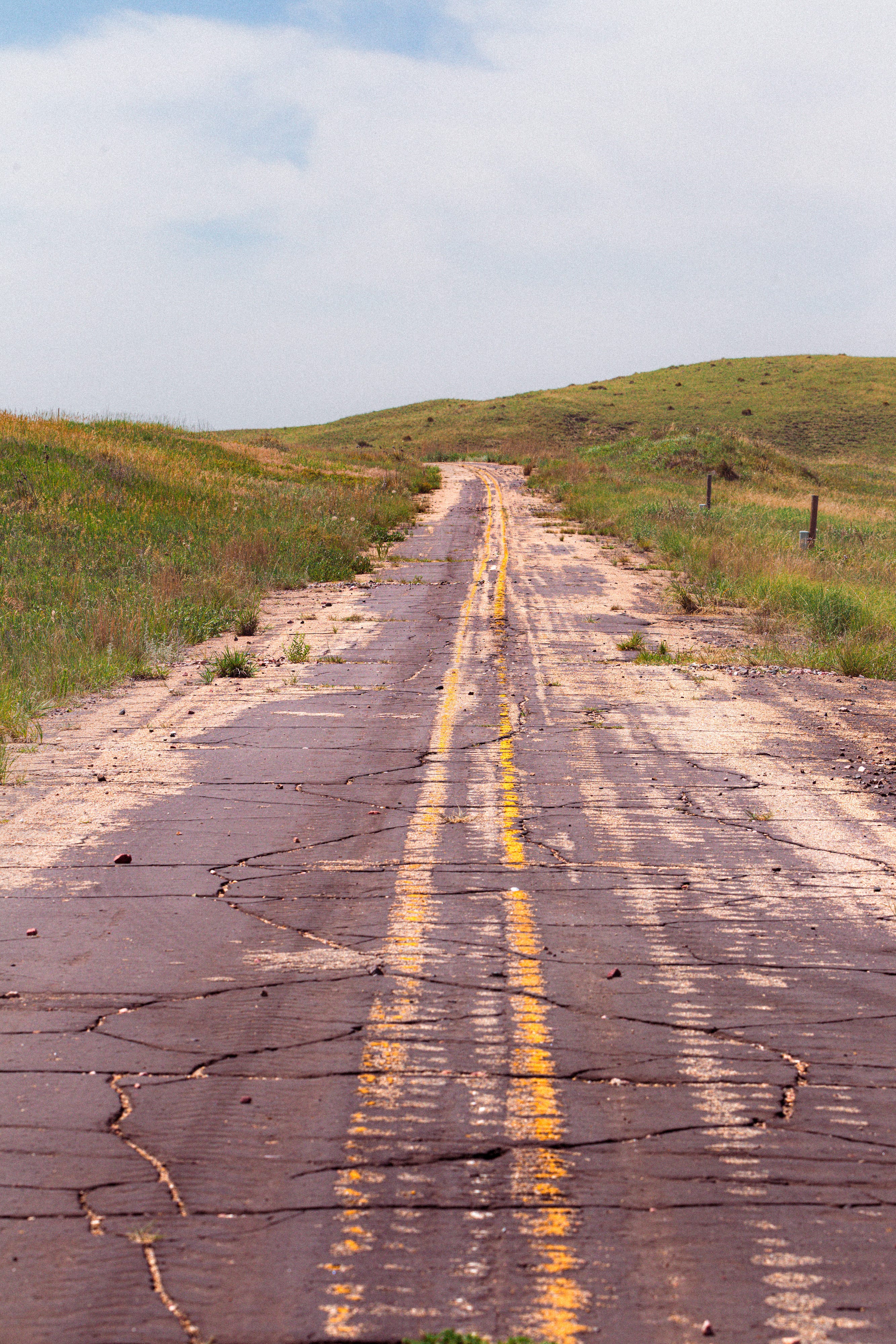
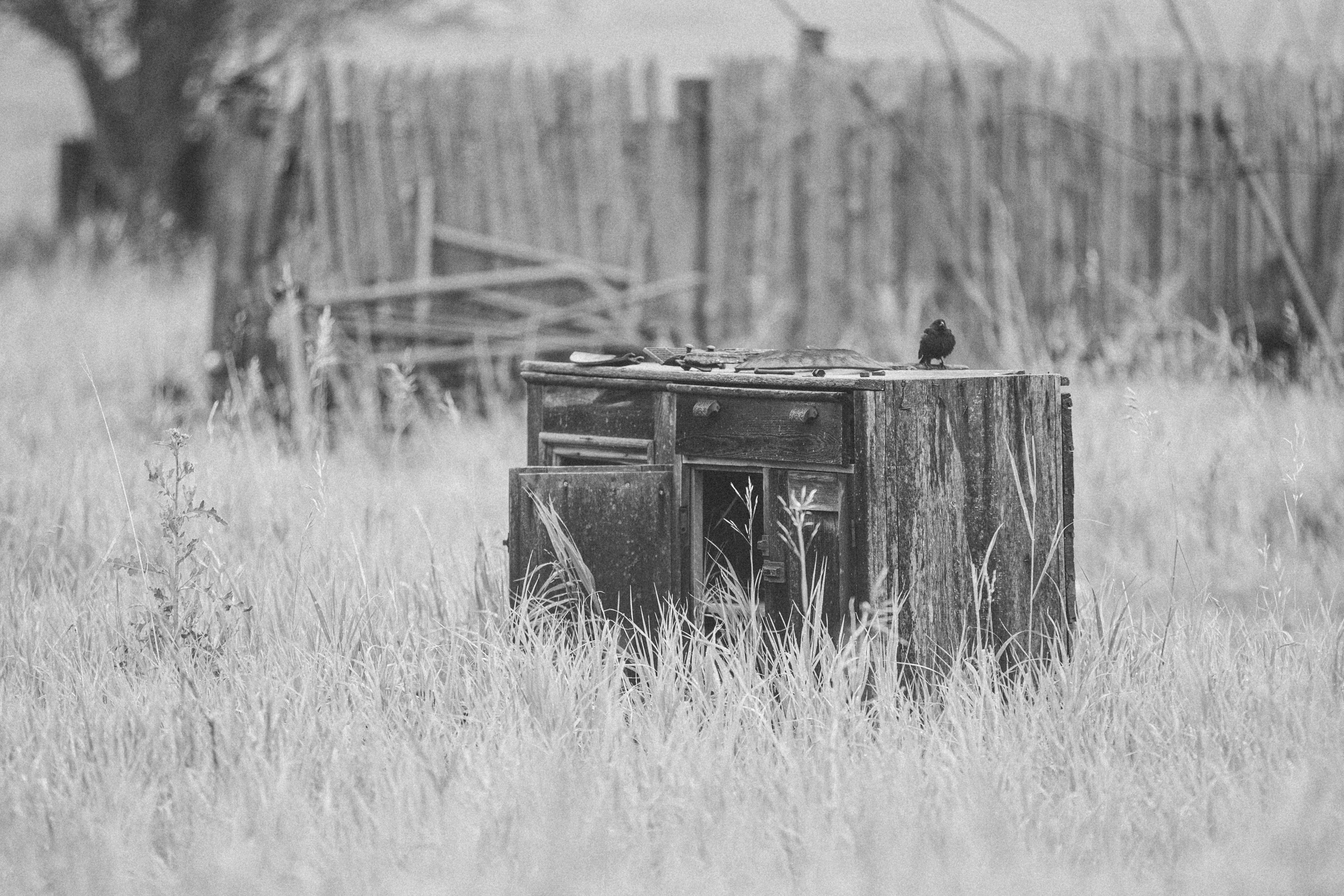
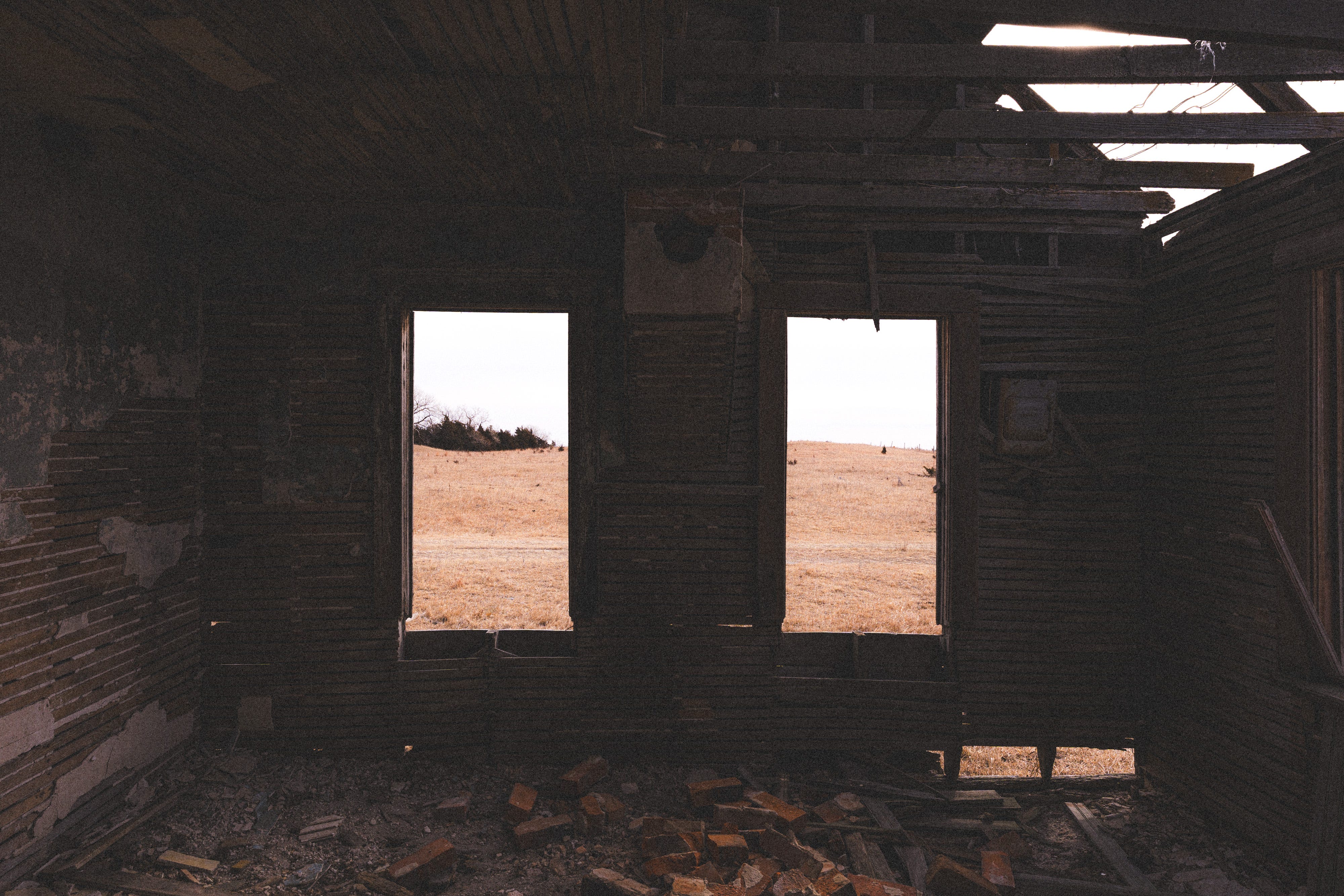
I was locked in a bubble, but if I had been paying attention, maybe 2016 and 2024 wouldn’t have surprised me so much:
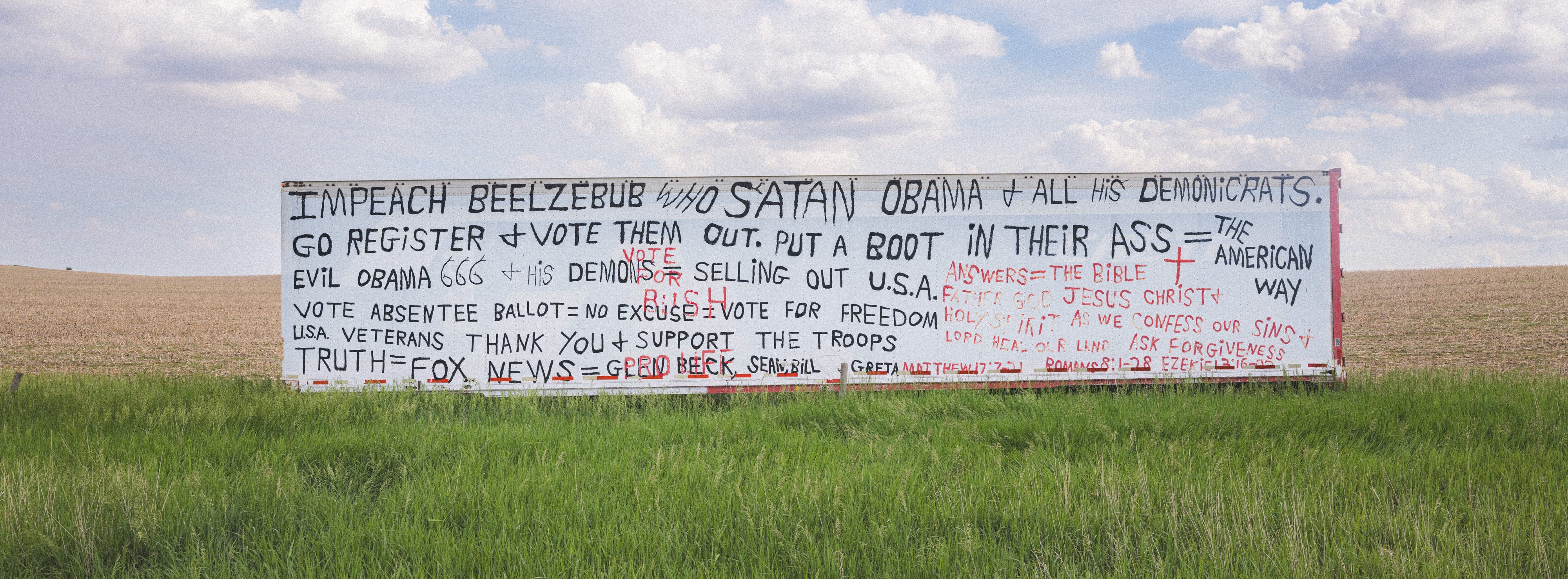
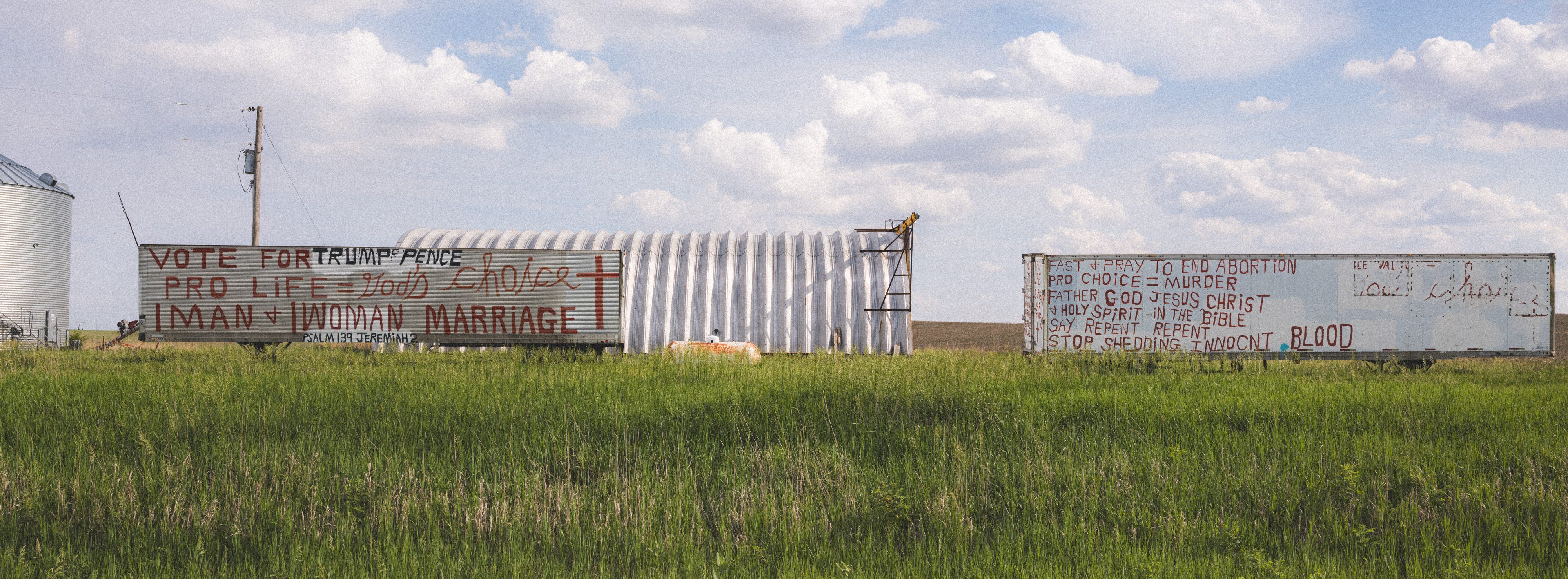
You know what I find fascinating?
I’m still in that bubble…
But at least if I’m more aware of it, and actively trying to seek understanding. Maybe I should make a book about it…
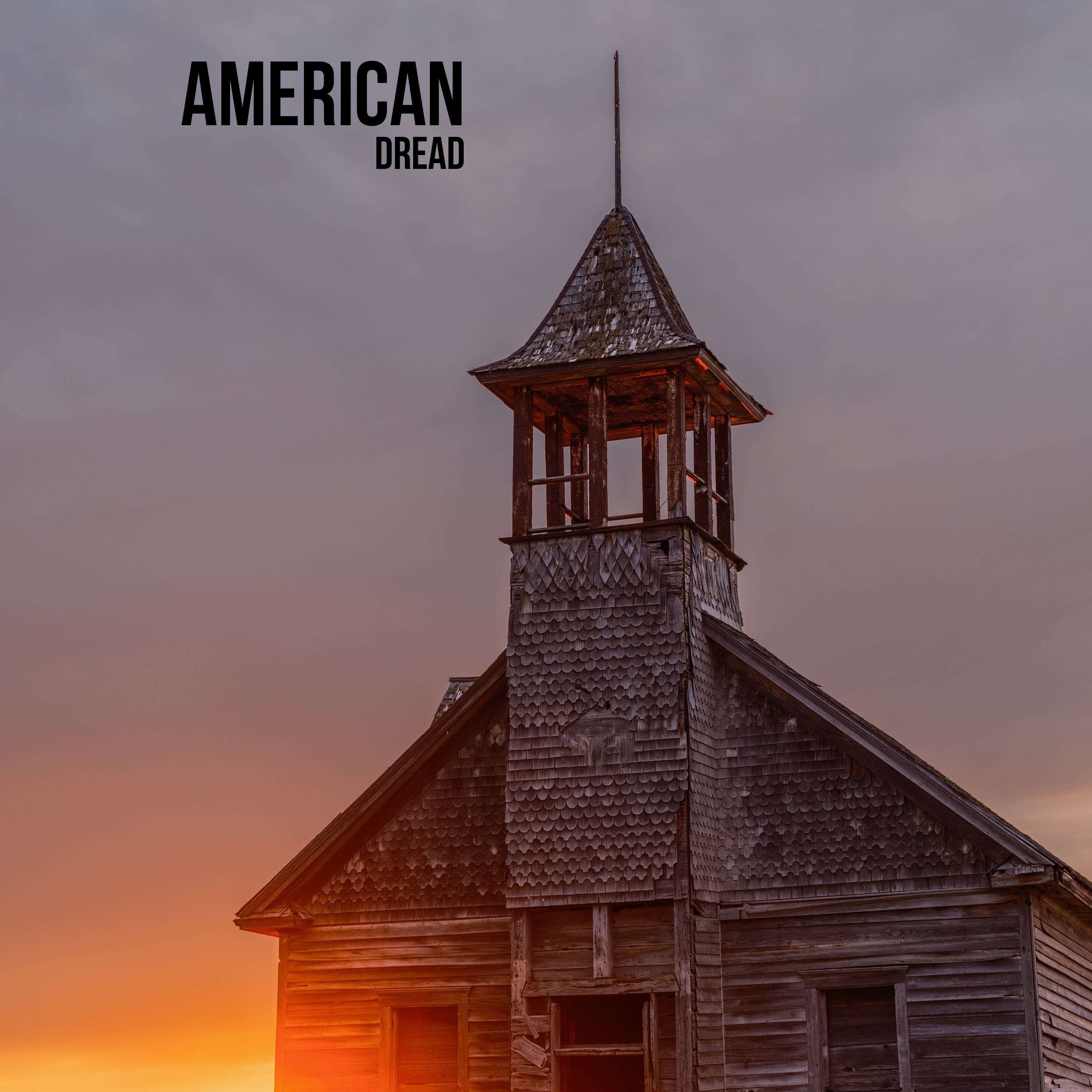
FEATURED PRINT:
Sunset at the Schoolhouse
I love this print and the subtle colors. I took this photo a few years ago. I remember standing there in awe of the light.

Sharing Helps!
P.S. - If you’re getting this, you’re probably already subscribed to my newsletter, but please share this with any photography enthusiasts who are looking for inspiration, tips and a positive photo community (no judgement here)!
And as always, send me any questions you have or topics you’d like to see me cover in upcoming newsletters or YouTube videos (you can subscribe here).
More than anything, even if you don’t purchase a print or subscribe to my YouTube channel, leaving me a comment about what you think is a great, free, way to support me!
Comments? Leave them below or email me: jerredz@gmail.com
My portfolio and more: www.jerredz.com
This was an excellent project, Jerred. Kind of a digital zine. What I like about it is how the pictures tell a story. Some are bangers, the ones that are not fill in the blanks, kind of like mortar in a stone wall. It has a very cohesive structure and I can see the transition from one thought to another, like paragraphs in a written essay. I think this is one of the best things of this type that you have ever done.
I think everyone lives in some type of bubble of their own regardless of race, religion or political affiliation. We do this to maintain our sense of normalcy even if our bubble doesn’t work out. Photography brings a sense of reality. Everyone can interpret photographs the way they want in their bubble. Push forward, establish the reality in your bubble!